Iran Oil Tanker Strike Near Dubai Triggers Global Alarm
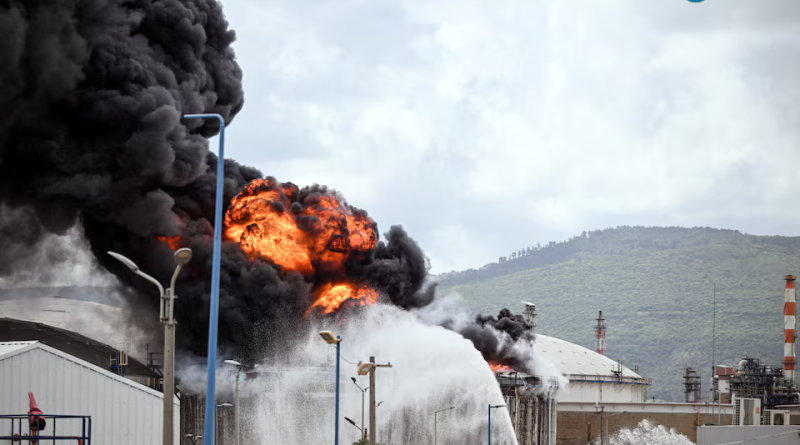
The Iran oil tanker strike near Dubai has sent shockwaves through global energy markets and geopolitical circles, marking a dramatic escalation in the ongoing Middle East conflict. A massive crude oil tanker was hit by what officials describe as an Iranian drone strike, igniting a fire and raising fears of further instability in one of the world’s most critical oil transit regions.
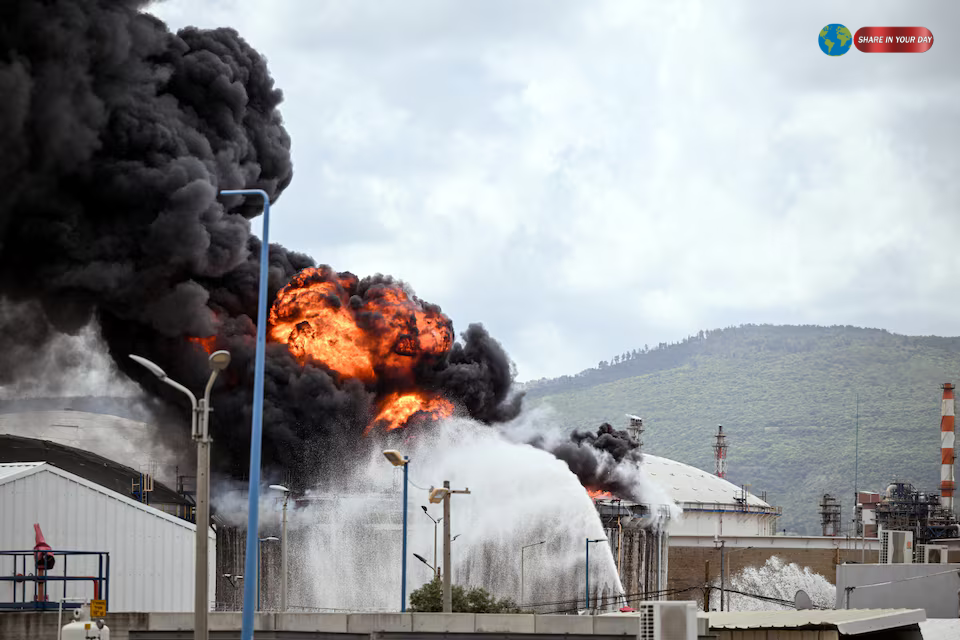
According to Reuters, the Kuwait-flagged tanker Al-Salmi was struck off the coast of Dubai, causing significant damage but reportedly no casualties.
This incident highlights the growing risks facing international shipping routes as tensions between Iran, the United States, and regional allies continue to intensify.
What Happened in the Dubai Tanker Attack?
The Iran oil tanker strike occurred in waters near Dubai, a key global shipping hub. The vessel, fully loaded with crude oil, was targeted by a drone, resulting in a fire that required emergency response efforts.
Key details from the attack include:
- The tanker was carrying a full load of crude oil
- A drone strike triggered a fire onboard
- No injuries were reported among crew members
- Immediate fears of an environmental disaster were raised
Despite the severity of the incident, authorities were able to contain the blaze, preventing a large-scale oil spill.
However, the attack has intensified concerns over maritime safety in the region.
Trump Threatens to “Obliterate” Iran Energy Infrastructure
In response to the Iran oil tanker strike, U.S. President Donald Trump issued a strong warning, stating that the United States could “obliterate” Iran’s energy infrastructure if tensions continue to escalate.
Trump’s warning specifically targets:
- Oil production facilities
- Energy plants
- Export hubs critical to Iran’s economy
The ultimatum is tied to Iran’s actions in the Strait of Hormuz, a strategic waterway that remains central to the crisis.
This aggressive stance signals a potential shift toward more direct confrontation.
Why the Strait of Hormuz Is Critical
At the center of the Iran oil tanker strike crisis lies the Strait of Hormuz—one of the most important shipping lanes in the world.
This narrow passage is vital because:
- Around 20% of global oil supply passes through it
- It connects major oil producers to international markets
- Any disruption can trigger immediate price volatility
Recent tensions have already slowed shipping traffic, with many vessels avoiding the route due to safety concerns.
The tanker attack further underscores how vulnerable this critical chokepoint has become.
Oil Prices Surge as Markets React
The Iran oil tanker strike has had immediate consequences for global energy markets.
Recent developments show:
- Oil prices surpassing $100 per barrel
- Significant volatility in global markets
- Rising fuel costs in multiple countries
Analysts warn that prolonged instability could push prices even higher, potentially triggering inflation and economic slowdowns worldwide.
Energy traders are now closely monitoring the situation for further disruptions.
Part of a Broader Escalating Conflict
The tanker attack is not an isolated event—it is part of a wider regional conflict that has escalated rapidly since early 2026.
Recent developments include:
- Missile and drone strikes across the Middle East
- Involvement of groups aligned with Iran
- Retaliatory strikes by Israel and allied forces
- Deployment of U.S. troops to the region
Thousands of casualties have already been reported across multiple countries, highlighting the scale of the crisis.
The Iran oil tanker strike represents another flashpoint in an increasingly volatile situation.
Environmental Concerns and Spill Risks
Beyond geopolitical tensions, the Iran oil tanker strike raises serious environmental concerns.
Potential risks include:
- Oil spills affecting marine ecosystems
- Long-term damage to Gulf waters
- Impact on coastal economies and fisheries
Although the fire was contained, experts warn that even minor leaks could have significant ecological consequences.
Authorities continue to monitor the situation closely to assess any environmental damage.
Global Shipping Disrupted
The impact of the Iran oil tanker strike extends beyond the immediate incident.
Shipping companies are now:
- Rerouting vessels away from high-risk areas
- Increasing insurance costs
- Delaying shipments
This disruption affects not only oil transport but also global trade, as the region serves as a critical hub for international shipping.
Some companies have already reduced operations in the area, citing safety concerns.
Diplomatic Efforts Struggle to Contain Crisis
Despite escalating tensions, diplomatic efforts are ongoing.
However, progress remains limited:
- Iran has rejected U.S. proposals as unrealistic
- Negotiations are taking place through intermediaries
- Military actions continue despite talks
Trump has suggested a willingness to reach a deal, but no clear resolution has been achieved.
The lack of progress adds to global uncertainty.
What Happens Next?
The future of the crisis remains uncertain following the Iran oil tanker strike.
Possible scenarios include:
1. Further Escalation
Additional attacks could lead to a broader regional war.
2. Limited Military Responses
Both sides may continue targeted strikes without full-scale conflict.
3. Diplomatic Breakthrough
Negotiations could result in de-escalation and reopening of key shipping routes.
At this stage, none of these outcomes can be ruled out.
Conclusion
The Iran oil tanker strike near Dubai marks a critical turning point in the ongoing Middle East conflict. With global energy markets already under pressure, the attack has heightened fears of supply disruptions, economic instability, and wider military escalation.
As tensions continue to rise, the world is watching closely. The decisions made in the coming days will determine whether this crisis deepens or moves toward resolution.
For now, the region remains on edge, with the potential for further developments that could reshape global energy and geopolitical landscapes.