Iran Warning Revealed: 5 Shocking Threats to US
The Iran warning US power plants crisis has reached a dangerous new level, as Tehran issued a stark “living hell” warning to Washington amid escalating threats from U.S. President Donald Trump.
The latest exchange of rhetoric highlights growing fears that the ongoing conflict could spiral into a broader regional war, with devastating consequences for global stability, energy markets, and civilian populations.
Iran Issues “Living Hell” Warning
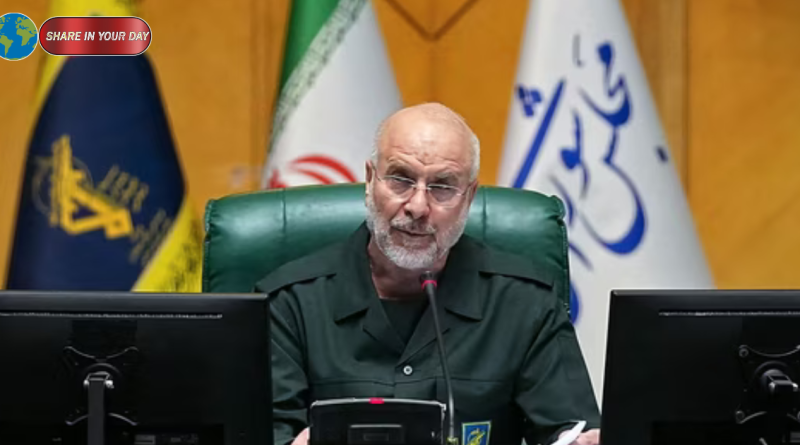
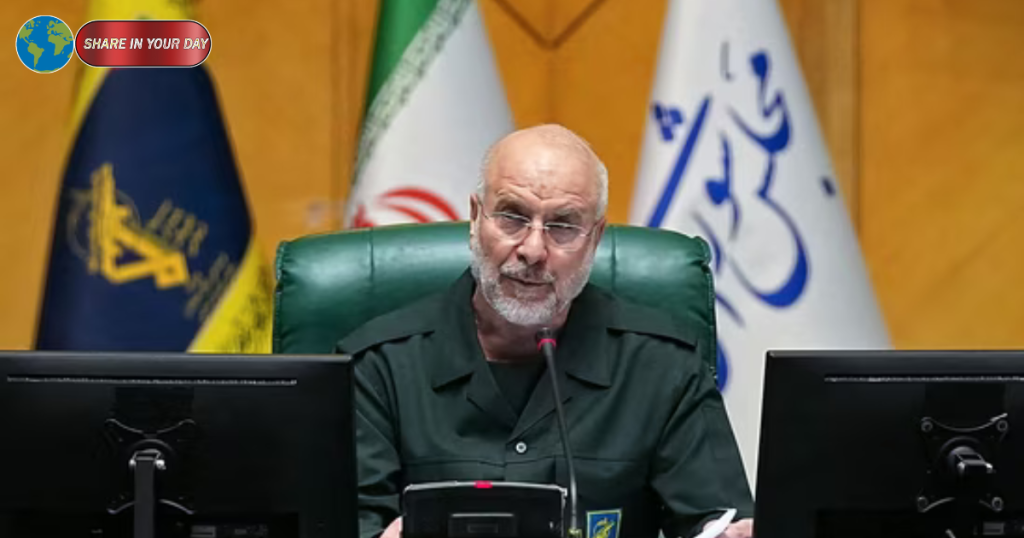
Iran’s parliament speaker, Mohammad Bagher Ghalibaf, delivered a direct and alarming message to the United States, warning that continued aggression would engulf the entire region in conflict.
He stated that Washington’s actions could turn into a “living hell” for American families and warned that “the whole region is going to burn.”
This statement was made in response to renewed U.S. threats targeting Iran’s critical infrastructure, including power plants and bridges.
Iranian officials have framed these potential strikes as reckless and dangerous, emphasizing that such actions could trigger uncontrollable escalation across the Middle East.
Trump’s Threats Target Key Infrastructure
At the center of the crisis is Donald Trump’s warning that the United States could strike Iran’s essential infrastructure if Tehran does not comply with demands.
These include:
- Power plants
- Bridges
- Energy facilities
Trump reportedly set a deadline for Iran to reopen the Strait of Hormuz or face severe military consequences.
In separate statements, he suggested that failure to comply would result in widespread destruction, raising concerns among international observers about the legality and humanitarian impact of such actions.
According to multiple reports, Trump even described a potential timeline for attacks, intensifying fears of imminent escalation.
Strait of Hormuz: The Core of the Conflict
The Iran warning US power plants situation is closely tied to the strategic Strait of Hormuz, one of the world’s most critical shipping routes for oil and gas.
Iran has effectively blocked the strait since the beginning of the conflict, disrupting global energy supplies and driving up oil prices.
This blockade has placed immense pressure on the United States and its allies, as the strait is essential for international trade and energy security.
Trump’s ultimatum to reopen the strait reflects the high stakes involved, with global economic stability hanging in the balance.
Rising Military Tensions Across the Region
The confrontation between the United States and Iran is not limited to rhetoric. Military actions and counteractions have already intensified across the region.
Recent developments include:
- Airstrikes targeting infrastructure
- Missile attacks across Gulf countries
- Escalating military deployments
The ongoing conflict, which began in late February 2026, has already resulted in significant casualties and destruction.
Iran has warned that any further attacks on its infrastructure will be met with proportional retaliation, potentially targeting U.S. interests throughout the Middle East.
Global Concerns Over War Escalation
International observers are increasingly worried that the Iran warning US power plants crisis could trigger a full-scale regional war.
Reports indicate that attacks have already spread beyond Iran, affecting multiple countries in the Gulf region.
Key concerns include:
- Disruption of global oil supplies
- Civilian casualties
- Expansion of conflict to neighboring countries
Legal experts have also raised alarms about potential violations of international law if civilian infrastructure is targeted.
Economic Impact: Oil Prices and Global Markets
The ongoing crisis has already begun to affect global markets, particularly energy prices.
With the Strait of Hormuz partially blocked, oil prices have surged, creating ripple effects across economies worldwide.
Countries heavily dependent on energy imports are facing increased costs, while businesses are bracing for further instability.
This economic pressure adds another layer of urgency to the situation, as world leaders seek to prevent further escalation.
Diplomatic Efforts and Challenges
Despite the escalating tensions, diplomatic efforts are ongoing, though progress remains limited.
Iran has stated that the only viable solution is respecting its sovereignty and ending what it calls a “dangerous game.”
Meanwhile, the United States has signaled openness to negotiations but continues to maintain a hardline stance.
Mediators in the region are attempting to de-escalate the situation, but the gap between both sides remains significant.
Why This Crisis Matters Globally
The Iran warning US power plants conflict is not just a regional issue—it has global implications.
1. Energy Security
The Strait of Hormuz is vital for global oil transport, making any disruption a worldwide concern.
2. Military Stability
An escalation could draw in multiple countries, leading to a broader conflict.
3. Economic Impact
Rising oil prices and market volatility could affect economies worldwide.
4. Humanitarian Risks
Targeting infrastructure could lead to widespread suffering among civilians.
What Happens Next?
The coming days are critical in determining the future of the conflict.
If Iran refuses to comply with U.S. demands and Washington follows through on its threats, the situation could rapidly escalate into a larger war.
On the other hand, successful diplomatic intervention could prevent further violence and stabilize the region.
However, with both sides maintaining strong positions, the risk of escalation remains high.
Final Thoughts
The Iran warning US power plants crisis represents one of the most dangerous geopolitical flashpoints of 2026.
With threats of infrastructure attacks, warnings of regional destruction, and rising military tensions, the situation continues to evolve rapidly.
As the world watches closely, the decisions made in the coming days could shape not only the future of the Middle East but also global stability.