Israeli Airstrikes Kill at Least 10 in Lebanon as Tensions Escalate on Northern Border
BEIRUT — Israeli airstrikes in southern Lebanon have killed at least 10 people, including combatants and civilians, according to Lebanese state media and health officials, marking a significant escalation in violence along the volatile northern frontier. The strikes come amid mounting cross-border exchanges between Israeli forces and armed groups in Lebanon, heightening fears of broader conflict in the region.
Lebanese health authorities reported that the fatalities included both fighters and non-combatants following a series of air raids targeting sites near towns and villages in the border zone. Additional injuries were reported, with medical teams stretched thin as ambulances and first responders worked through the aftermath of the bombardment.
Airstrikes Follow Cross-Border Exchanges
While official military statements remained limited, the strikes appear to be part of an ongoing pattern of tit-for-tat attacks that have unfolded between Israeli forces and Hezbollah-aligned fighters over recent weeks. Such confrontations have intermittently flared into violence since the Israel-Hamas war in Gaza, with Lebanese militant groups claiming responsibility for sporadic rocket fire into northern Israel and retaliation from the Israeli Defence Forces (IDF).
Israeli authorities typically characterize their operations as precision strikes against militant infrastructure and fighters preparing or launching attacks, yet civilian harm remains a persistent concern raised by aid agencies and international monitors.
Civilian Impact and Regional Anxiety
Residents in impacted Lebanese towns described the blasts as powerful and frightening, with families rushing to shelters amid air raid warnings. Hospitals in the region reported an influx of wounded civilians, including women and children, as emergency workers processed those caught in the strikes. The violence has compounded the daily stresses in southern Lebanon, an area already burdened with economic hardship and political instability.
International observers, including United Nations representatives, have expressed alarm over the rising death toll and called for restraint from all sides. Diplomatic efforts aimed at reducing border tensions have so far yielded limited results, leaving communities on both sides of the frontier on edge.
Broader Middle East Implications
The renewed violence along the Israel-Lebanon border underscores the fragile security situation in the broader Middle East, where multiple conflicts intersect. Analysts warn that continued escalation — whether through aerial bombardment or ground engagements — could risk drawing in additional actors or sparking retaliation that extends beyond localised skirmishes.
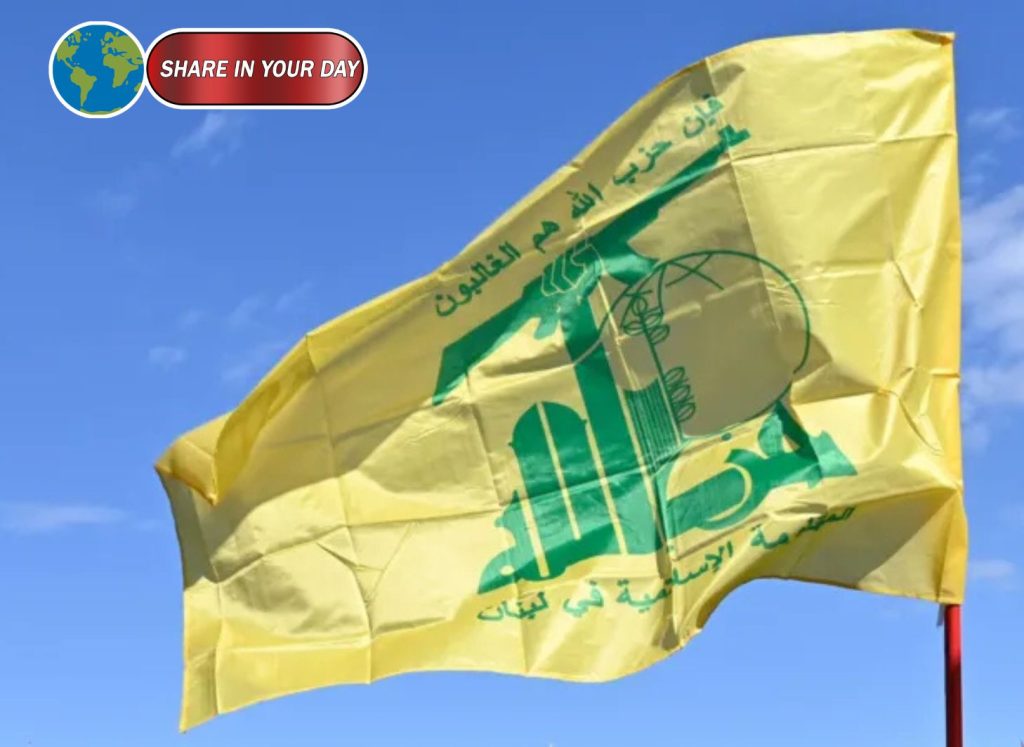
Hezbollah, the powerful Lebanese Shia group backed by Iran, has repeatedly signalled its willingness to respond to perceived Israeli aggression, raising concerns in capitals from Beirut to Washington and beyond. Meanwhile, civilian populations on both sides face the brunt of the fighting, with displacement and casualty figures rising amid ongoing hostilities.
Calls for De-escalation
Humanitarian organisations and governments have urged de-escalation, stressing the urgent need to protect civilians and prevent further loss of life. The United Nations has reiterated its appeal for all parties to adhere to international humanitarian law and to refrain from actions that could widen the conflict.
As the situation continues to evolve, the international community will be closely watching diplomatic efforts to stabilise the region and reduce the risk of further bloodshed.