James Cameron Warns Netflix-Warner Bros Deal Could Be “Disastrous,” Netflix Fires Back
Legendary filmmaker James Cameron has thrust himself into one of Hollywood’s most contentious debates: the proposed acquisition of Warner Bros. Discovery (WBD) by Netflix. In a fiery letter to Senator Mike Lee, who chairs the Senate antitrust subcommittee, Cameron warned that the merger could spell disaster for theatrical cinema and industry employment — igniting a sharp public rebuke from Netflix leadership.
Cameron’s Letter: A Dire Warning to Lawmakers
In the letter obtained by Deadline, Cameron — director of Avatar, Titanic, and other blockbuster films — argued the planned Netflix deal threatens the traditional theatrical motion-picture business “I have dedicated my life’s work to.” He cautioned that Netflix’s streaming-centric model could accelerate the decline of movie theaters, reduce big-budget filmmaking, and result in widespread job losses across Hollywood’s ecosystem.
Cameron framed the situation as a potential tipping point for cinema, saying the merger may “make everything worse” by undermining the threatre release window that has historically supported theatrical exhibition and broad cinematic distribution.
The director has a long-standing connection to cinemas as the premiere venue for major film releases, and his letter underscored deep concern for the medium’s future if traditional theatrical runs are shortened or deprioritized.
Threats to Theaters and Jobs, According to Cameron
Cameron’s critique wasn’t limited to cultural arguments: he warned that if Netflix’s model becomes dominant, thousands of jobs tied to theatrical exhibition and associated sectors could disappear. He urged lawmakers to consider not just corporate strategy but the employment and economic structures tied to cinema.
He also raised broader concerns about the impact on American film exports and Hollywood’s global leadership — suggesting that shifts away from theatrical models could weaken the U.S.’s position as a worldwide cinematic powerhouse.
Netflix Responds: Surprise and Counterclaims
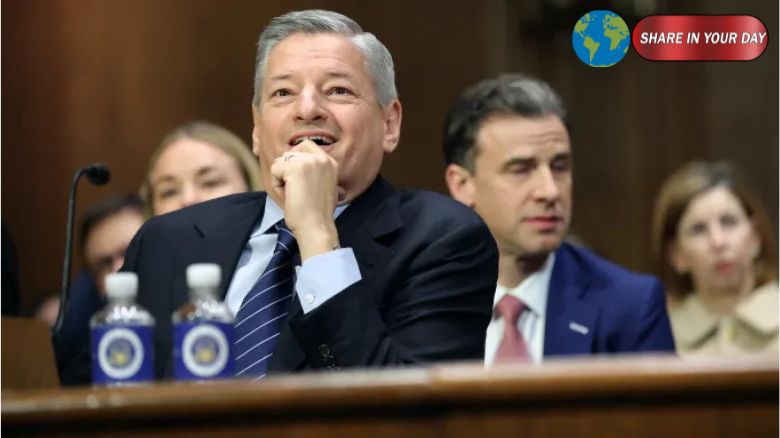
Netflix co-CEO Ted Sarandos didn’t let Cameron’s critique go unanswered. In a public statement reported by Deadline, Sarandos described Cameron’s involvement as part of what he called a “Paramount disinformation campaign” — a reference to rival bidder Paramount’s competing offer and broader industry opposition to the Netflix deal.
Sarandos expressed surprise and disappointment that Cameron would align himself with critics of the merger, highlighting Netflix’s repeated assurances about supporting theatrical windows for films even after a potential acquisition.
The Netflix executive defended the company’s position, noting previous commitments made publicly and before lawmakers to maintain traditional theatrical release practices where possible and to continue supporting cinema as a cultural institution.
Political and Industry Backdrop
Cameron’s intervention comes amid intensified political and regulatory scrutiny of the Netflix-Warner Bros deal. Lawmakers from both parties have voiced concerns over the merger’s impact on competition, consumer choice, and the structure of the entertainment industry. There are also competing bids from Paramount, ongoing shareholder debates, and antitrust investigation efforts from state and federal officials.
Senator Mike Lee acknowledged receiving outreach from industry figures about the acquisition and signaled that further hearings may explore these issues more deeply — reflecting broader anxieties about consolidation in Hollywood and its implications for culture and employment.
What This Means for Cinema’s Future
The public back-and-forth between one of cinema’s most influential directors and the leadership of a dominant streaming service highlights deeper tensions in the modern entertainment ecosystem: streaming growth vs. traditional theatrical release, corporate consolidation vs. competition, and cultural preservation vs. market priorities.
As debates continue in Congress, among industry stakeholders, and in boardrooms, the outcome of the Netflix-Warner Bros acquisition — and its potential effect on the future of theatrical filmmaking — remains a pivotal question for audiences and creators alike.