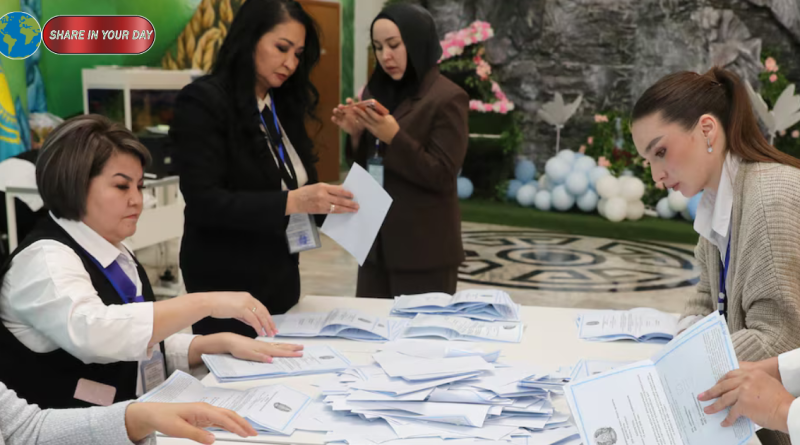
Kazakhstan Approves New Constitution in Referendum as Exit Polls Show Overwhelming Support
ASTANA — Kazakhstan has approved a sweeping new constitution in a nationwide referendum, according to exit polls, marking a pivotal moment in the Central Asian nation’s political trajectory and raising fresh questions about the balance of power under President Kassym-Jomart Tokayev.
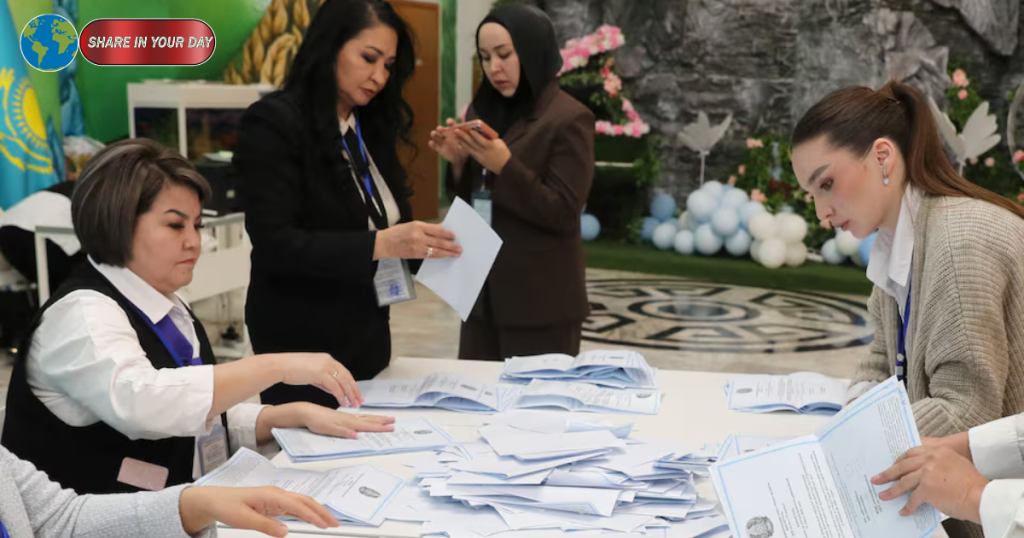
Preliminary data from exit polls conducted after Sunday’s vote indicated that a large majority of voters backed the constitutional overhaul, signaling strong public support—at least on paper—for reforms the government has described as essential for modernization.
Strong “Yes” Vote in Early Results
Exit polls released late on March 15 suggested that between roughly 86% and 88% of voters supported the new constitution, with turnout exceeding 70%, according to multiple polling organizations.
Official preliminary figures released later confirmed the trend, showing nearly 90% approval among voters, one of the strongest mandates recorded in Kazakhstan’s recent political history.
The referendum, the fifth since independence, reflects what authorities have framed as a decisive step toward building a “fair and progressive” state.
A Reform With Far-Reaching Implications
The new constitution introduces significant structural changes to Kazakhstan’s political system. Among the most notable reforms is the move toward a unicameral parliament and the expansion of presidential authority over key state institutions.
Under the proposed framework, the president would gain increased influence in appointing senior officials, including members of the judiciary and electoral bodies, subject to parliamentary approval.
Supporters argue that these changes will streamline governance and improve efficiency in decision-making. Critics, however, warn that the reforms could weaken institutional checks and concentrate power further in the presidency.
Critics Warn of Democratic Backsliding
The referendum has drawn concern from rights groups and political analysts who say the changes risk undermining democratic accountability.
Organizations such as Human Rights Watch have warned that the proposed amendments could erode safeguards designed to limit executive power and protect fundamental rights.
Some analysts also suggest that the constitutional overhaul could open the door for Tokayev to extend his time in office beyond current term limits, a pattern seen in other post-Soviet states.
These concerns have been amplified by reports of restrictions on opposition voices and limited space for public debate during the campaign period.
Government Frames Vote as Modernization
President Tokayev has defended the referendum as a necessary step toward reforming Kazakhstan’s political system and adapting it to modern challenges.
Speaking after casting his ballot, he described the new constitution as a “future-oriented document” designed to strengthen the country’s governance and economic development.
Government-backed campaigns emphasized themes of progress and national unity, portraying the reforms as a response to public demand for change following years of political and economic pressure.
Context: Reform After Unrest
The referendum comes just a few years after widespread unrest in 2022, which exposed deep frustrations over inequality, governance, and political representation.
Since then, authorities have pursued a series of reforms aimed at stabilizing the country and reshaping its political framework. The new constitution represents the most ambitious step in that process to date.
However, critics argue that rather than decentralizing power, the latest changes may consolidate it further.
Questions Over Process and Transparency
While turnout figures were high, independent observers and civil society groups have raised questions about the transparency of the process.
Reports of pressure on activists, limitations on independent monitoring, and uneven campaigning conditions have fueled skepticism about the fairness of the vote.
Some localized observations suggested discrepancies in turnout and results, though these have not altered the overall outcome.
Regional and Global Implications
Kazakhstan, the largest economy in Central Asia, plays a strategic role in regional stability and global energy markets. Political developments in the country are closely watched by international partners, including Russia, China, and Western governments.
The adoption of a new constitution could reshape Kazakhstan’s political landscape for years to come, influencing both domestic governance and its foreign policy posture.
For investors and geopolitical observers, the key question is whether the reforms will deliver stability—or introduce new uncertainties.
What Happens Next
The new constitution is expected to come into force later this year, following final certification of the referendum results.
Implementation will likely involve significant legislative and institutional changes, including the restructuring of parliament and adjustments to the balance of power within the state.
For President Tokayev, the referendum represents both an endorsement of his reform agenda and a test of how those reforms will be perceived in practice.
A Defining Vote
The overwhelming approval recorded in exit polls suggests a clear outcome, but the broader significance of the referendum remains contested.
For supporters, it marks a step toward modernization and stronger governance. For critics, it raises concerns about the future of democratic institutions in Kazakhstan.
As the country moves forward under its new constitutional framework, the real impact of the reforms w