Which Kurdish Groups Is the US Rallying to Fight Iran?
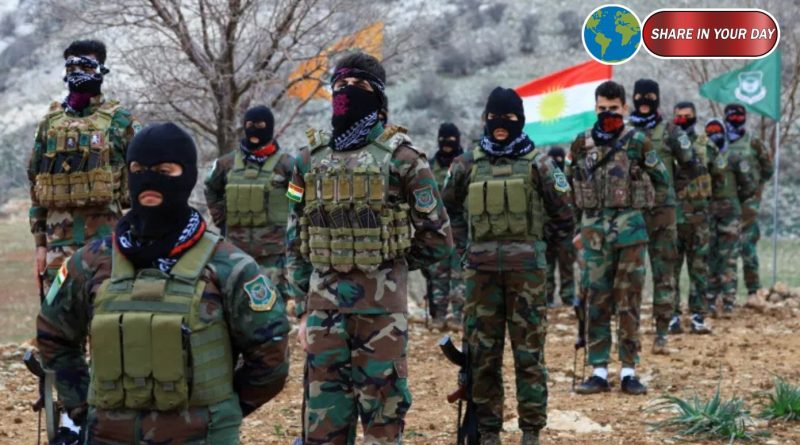
As the confrontation between the United States and Iran intensifies, Washington is reportedly exploring alliances with Kurdish opposition groups that have long opposed Tehran’s rule in Iran’s Kurdish regions.
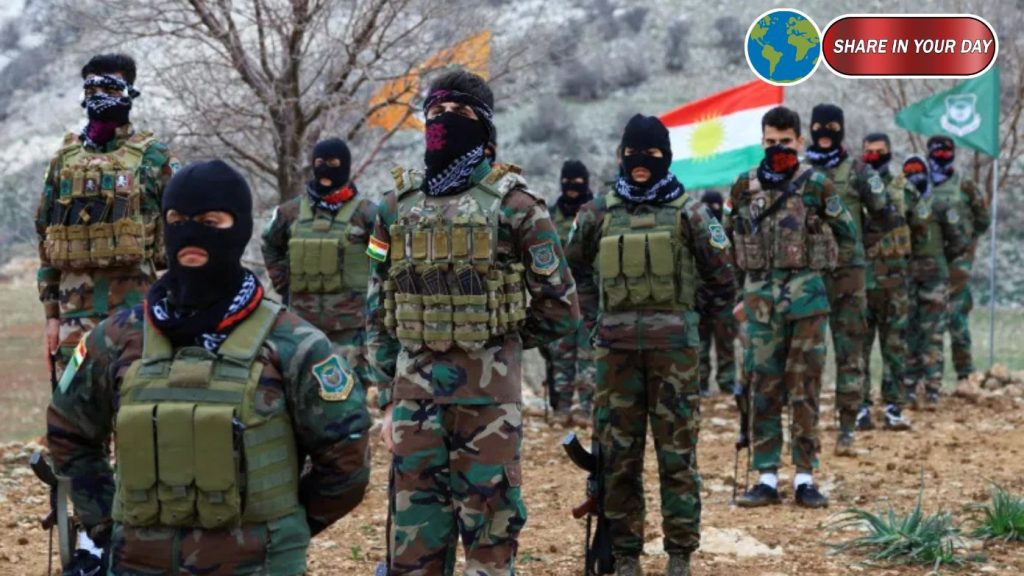
The effort reflects a broader strategy: opening pressure points inside Iran while avoiding large deployments of US ground troops. Kurdish factions, many of which operate from bases in neighboring Iraq, could play a pivotal role in such a strategy due to their experience in armed resistance and their longstanding grievances with the Iranian government.
Several Kurdish organizations have emerged at the center of these discussions, forming a loose political coalition while maintaining their own military and political structures.
A Coalition of Iranian Kurdish Opposition Groups
In February 2026, multiple Kurdish political and armed groups formed the Coalition of Political Forces of Iranian Kurdistan (CPFIK), an umbrella alliance designed to coordinate opposition activities against Tehran.
The coalition includes six Kurdish organizations advocating political autonomy or independence for Iran’s Kurdish population. The alliance is viewed by analysts as a potential vehicle for coordinated political and military pressure inside Iran if the conflict with the United States deepens.
While Kurdish groups have historically been fragmented, the formation of CPFIK signals a renewed attempt to unify their strategy amid the escalating regional crisis.
Kurdistan Democratic Party of Iran (KDPI)
One of the most prominent factions within the Kurdish opposition is the Kurdistan Democratic Party of Iran (KDPI).
Founded in the mid-20th century, the KDPI is the oldest Kurdish political organization advocating self-determination for Kurds in Iran. The group has fought intermittent insurgencies against the Iranian government for decades and remains one of the most organized Kurdish opposition movements.
Operating largely from bases in Iraq’s Kurdistan region, the KDPI maintains an armed wing that has periodically clashed with Iranian forces along the border. Iran labels the organization a terrorist group, while Kurdish supporters see it as a legitimate movement for autonomy and democratic rights.
Reports suggest the group has roughly 1,200 fighters and remains one of the best-known Kurdish factions capable of mounting cross-border operations.
Kurdistan Freedom Party (PAK)
Another key actor is the Kurdistan Freedom Party (PAK), a Kurdish nationalist group that advocates an independent Kurdish state encompassing Kurdish areas of Iran.
PAK has also established military bases in northern Iraq and has previously cooperated with Kurdish forces fighting ISIS. The group’s fighters have received military training and have participated in security operations in the Kurdistan region.
Estimates suggest the group fields about 1,000 members, making it one of the larger Kurdish armed organizations capable of joining operations against Iranian targets if the conflict escalates.
Other Kurdish Groups in the Coalition
Beyond KDPI and PAK, the broader Kurdish coalition includes several smaller organizations representing different political currents within Iranian Kurdish society.
These groups vary widely in ideology—ranging from nationalist movements to left-leaning political parties—but share a common goal: greater autonomy or independence for Kurdish regions within Iran.
While individually smaller, their participation in the coalition could help create a more unified Kurdish opposition front, something that has historically been difficult due to rivalries and political divisions.
Why the US Is Turning to Kurdish Allies
The United States has a long history of cooperating with Kurdish forces in the Middle East, particularly in Iraq and Syria.
Kurdish fighters proved to be some of Washington’s most reliable partners during the campaign against ISIS, especially within the Syrian Democratic Forces (SDF) and its core Kurdish component, the People’s Defense Units (YPG).
That precedent has shaped Washington’s current thinking as it seeks ways to weaken Iran without committing large numbers of US troops to a ground war.
According to reports, US officials have held discussions with Kurdish groups about the possibility of launching operations inside Iran or supporting an uprising against the Iranian government.
Iraqi Kurds Potentially Drawn Into the Conflict
Beyond Iranian Kurdish factions, Kurdish forces in Iraq could also become involved.
Officials have reportedly asked Iraqi Kurdish authorities to consider assisting cross-border operations, with some Kurdish units in northern Iraq said to be on standby as the regional conflict intensifies.
Such a move could significantly expand the scope of the conflict, opening a new front along Iran’s mountainous western border.
A Strategy With Historical Risks
However, Kurdish leaders and analysts are wary. Kurdish movements across the region have historically been used by larger powers as strategic allies during conflicts—only to see support disappear once geopolitical priorities change.
Past examples include US support for Kurdish uprisings during the Cold War and shifting alliances during conflicts in Iraq and Syria.
For many Kurdish leaders, the current situation presents both opportunity and risk: the chance to challenge Tehran’s authority, but also the possibility of becoming entangled in a broader regional war.
What Happens Next
Whether Kurdish groups ultimately play a significant role in the escalating confrontation with Iran remains uncertain.
Much depends on how the conflict evolves and whether Kurdish factions decide the potential gains outweigh the dangers of confronting Tehran directly.
For now, the formation of the Kurdish opposition coalition and renewed contacts with Washington suggest that Kurdish forces could once again become central players in one of the Middle East’s most volatile geopolitical struggles.