Massive Demonstrations Held to Oppose Iran’s Government Amid Escalating Unrest
MUNICH, Germany — Tens of thousands of demonstrators took to the streets this weekend to protest against Iran’s government, with police estimating about 250,000 participants in a massive rally on the sidelines of the Munich Security Conference. The large‑scale demonstration — organized in support of Iranians facing ongoing violent crackdowns at home — reflected growing international opposition to Tehran’s leadership amid widespread unrest.
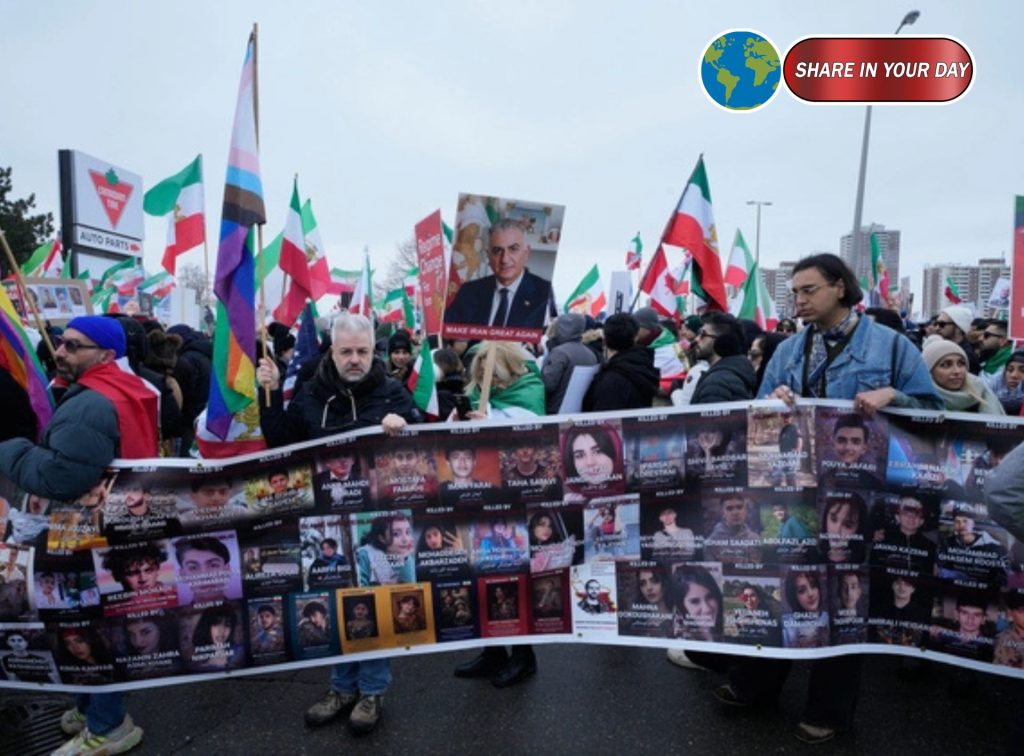
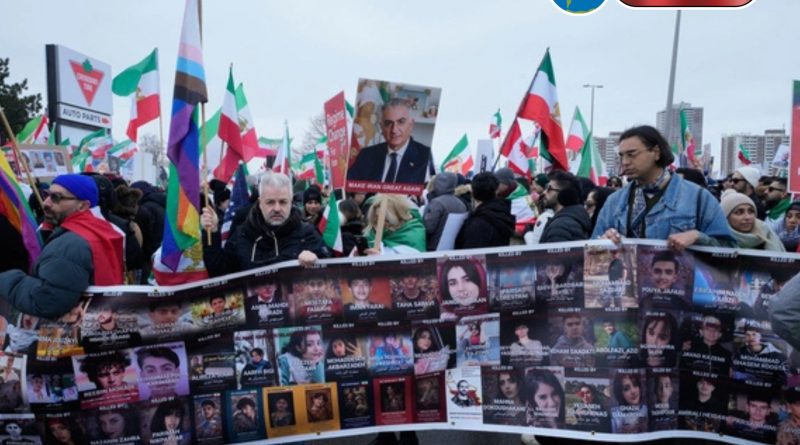
The Munich march, staged on February 14 and 15, was one of the largest anti‑regime protests in Europe this year, drawing crowds of dissidents, activists and members of the Iranian diaspora chanting for regime change and an end to state brutality. Echoing slogans included “Change, change, regime change,” and protesters waved the green‑white‑red Iranian flag with the lion and sun emblem used before the 1979 Islamic Revolution.
Global Day of Action and Opposition Leadership
The demonstrations were held as part of what Reza Pahlavi, Iran’s exiled crown prince and a leading opposition figure, described as a “global day of action” in support of Iranians resisting government repression. Pahlavi urged world leaders and citizens alike to step up pressure on Tehran to stop its use of lethal force against peaceful protestors and to embrace democratic reforms.
Similar solidarity protests were reported in other cities — including Los Angeles, Toronto, Tel Aviv, Lisbon, Sydney and London — although the Munich gathering was by far the largest, with demonstrators marching through the city’s Theresienwiese fairgrounds and calling for political change back home.
Context: Nationwide Unrest and Deadly Crackdowns
The protests come amid months of unrest inside Iran that began in late December 2025, initially sparked by economic grievances including soaring inflation and a collapsing currency. The movement rapidly evolved into a broader anti‑government uprising spreading across many cities and provinces, including Tehran, Isfahan and Mashhad.
Iranian authorities have met the demonstrations with increasingly brutal repression, including live ammunition, mass arrests, and a near‑total internet blackout aimed at curbing communication and coverage of the unrest. Human rights groups and independent monitors report thousands of deaths and tens of thousands of arrests, though precise numbers remain difficult to verify because of restricted access and information blackouts.
Inside Iran, demonstrators have sustained pressure despite fierce crackdowns, with eyewitness footage and rights advocates documenting clashes, casualties and widespread community participation in protests.
International Response and Diplomatic Ripples
The Munich demonstration took place as global leaders convened for a major security forum — highlighting the intersection between Iran’s internal crisis and broader international security concerns. Activists called on foreign governments to increase diplomatic and material support for Iranian protestors and to consider sanctions or other measures to hold Tehran accountable for human rights violations.
While the Iranian government continues to reject that its security forces have overstepped, framing protests as illegitimate “riots” or foreign‑backed unrest, the scale of both domestic resistance and international protest activity signals rising global scrutiny of Iran’s domestic policies and the leadership’s approach to dissent.
What This Means Going Forward
The protests reflect one of the most sustained and widespread challenges to Iran’s Islamic Republic in years, with demonstrators inside and outside the country demanding political reform, accountability and an end to state violence. With international demonstrations amplifying the voices of Iranian activists, the movement has become not only a national struggle but a global movement for human rights and political change.