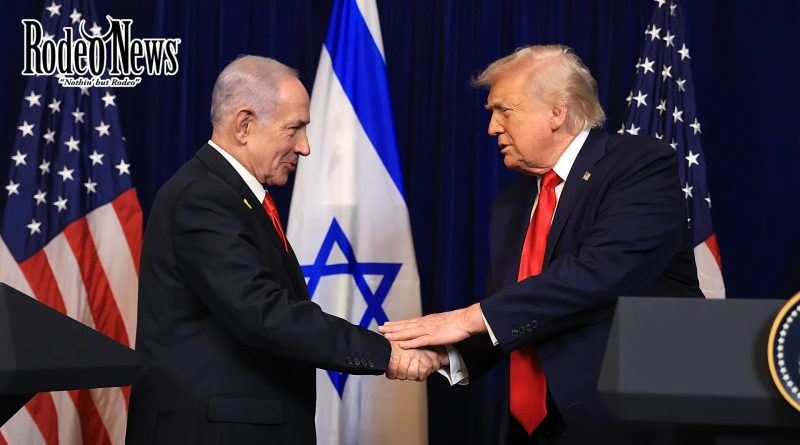
Netanyahu Expedites Washington Visit to Meet Trump as U.S.-Iran Nuclear Talks Continue
WASHINGTON / JERUSALEM — Israeli Prime Minister Benjamin Netanyahu has accelerated plans to travel to Washington, where he will meet U.S. President Donald Trump on Wednesday to discuss ongoing negotiations with Iran over its nuclear program and regional military capabilities, officials from both countries said.
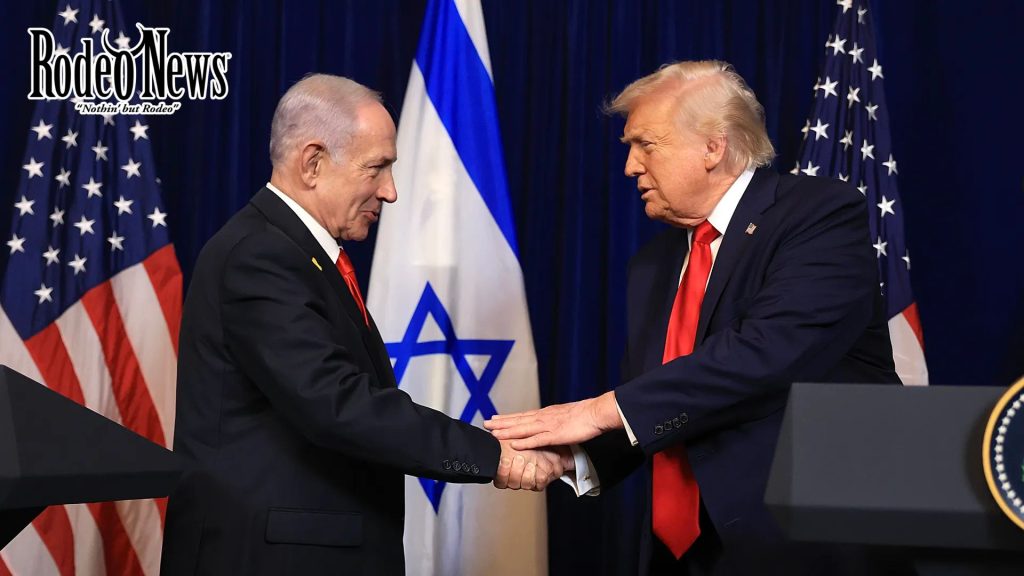
Netanyahu’s visit, originally scheduled for February 18, was moved forward amid renewed diplomatic activity between Tehran and Washington, including indirect talks that took place this week in Muscat, Oman. Trump’s envoys engaged Iranian officials aboard the USS Abraham Lincoln in the Arabian Sea, signalling a willingness to restart dialogue despite deep divisions over the terms of a possible agreement.
Deadlines and Core Disagreements
While U.S. officials described the Oman discussions as “very good,” the two sides remain far apart on key issues. Tehran insists on affirming its sovereign right to enrich uranium — a core component of its nuclear program — whereas Washington and its allies have pushed for curbs on enrichment and expansive verification measures. Iran has resisted negotiating limits on its ballistic missile arsenal or its support for allied armed groups, both of which Israel has highlighted as deal-breakers.
From the Israeli perspective, any diplomatic breakthrough must include limitations on Iran’s missile development and a halt to support for regional proxies such as Hezbollah in Lebanon and various militia groups in the Middle East. Netanyahu’s office reiterated this stance in a statement confirming the meeting with Trump.
Strategic Calculus in Washington
The upcoming meeting will mark the seventh face-to-face encounter between Netanyahu and Trump since the U.S. president returned to office in 2025, underlining the close coordination between the two governments on Middle East security issues. Nonetheless, tensions persist over how best to engage Tehran.
Trump has sought to balance diplomatic outreach with deterrence. In recent public remarks, he warned of “very steep” consequences for countries that maintain commercial ties with Iran, signalling a tougher economic posture while still pursuing talks.
Potential Regional Ramifications
Netanyahu’s visit comes against a backdrop of heightened regional concern. Previous military engagements — including U.S. and Israeli strikes on Iranian nuclear facilities in mid-2025 — have dramatically escalated tensions, prompting retaliatory missile attacks and fear of wider conflict. Observers say a breakdown in negotiations could spur further military action, raising the stakes for all parties involved.
The Muscat talks, though described by Trump as “a good start,” did not broach topics such as Iran’s missile program or its regional proxy networks — issues that both Washington and Jerusalem view as critical to any lasting agreement. Iranian officials have instead focused negotiations narrowly on nuclear matters, reinforcing Tehran’s position that its enrichment activities are a sovereign right under international law.
Diplomacy Under Pressure
Netanyahu’s expedited schedule underscores the urgency with which Israeli and American policymakers are approaching the Iran dossier. U.S. and allied intelligence assessments suggest that delays in securing enforceable restrictions could embolden Tehran, potentially destabilising a region already fractured by years of conflict. Analysts say that reconciling these divergent priorities — nuclear restrictions, ballistic missile limitations, and regional security assurances — will be central to the Washington talks.
As Netanyahu and Trump prepare to meet, global eyes will remain fixed on Washington for signs of whether these high-stakes negotiations can make substantive progress — or if the diplomatic process will give way to renewed confrontation.