Odesa Drone Attack: 270 Strikes Shock Ukraine Amid War Escalation
The latest Odesa drone attack has intensified global concerns over the escalating Russia-Ukraine war, as more than 270 drones were launched in a single night, killing civilians and damaging critical infrastructure across Ukraine.
The southern port city of Odesa was among the hardest hit, with over 60 drones targeting the region in what Ukrainian officials described as one of the most intense aerial assaults in recent months.
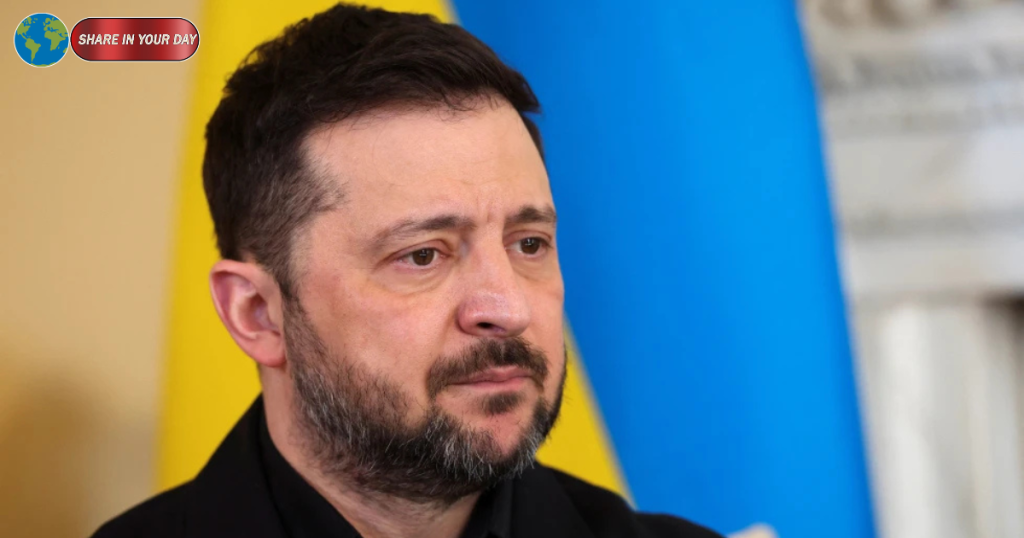
At the same time, Ukrainian President Volodymyr Zelenskyy was on a high-stakes diplomatic mission in the Gulf, seeking strategic partnerships and advanced air defense support to counter the growing drone threat.
Massive Overnight Assault Devastates Odesa
The Odesa drone attack formed part of a broader wave of Russian strikes that targeted multiple regions across Ukraine.
Officials reported that:
- Over 270 drones were launched overnight
- At least five people were killed nationwide
- Odesa alone saw more than 60 drones strike the area
The attack caused widespread destruction, including damage to residential buildings and a maternity hospital, forcing emergency evacuations of patients, including newborns.
Local authorities described scenes of chaos as explosions lit up the night sky, with emergency crews scrambling to rescue civilians trapped under debris.
This level of drone deployment highlights a growing trend in the war: the increasing reliance on unmanned aerial systems to overwhelm air defenses and inflict damage on civilian infrastructure.
Civilian Impact and Human Cost
The human toll of the Odesa drone attack has been significant.
Among the casualties were civilians caught in residential areas, as well as individuals working in critical infrastructure sectors. In addition to fatalities, several people were injured, and dozens were displaced after their homes were destroyed or damaged.
Particularly alarming was the strike on a maternity hospital in Odesa, which underscores the indiscriminate nature of the attack. Medical staff were forced to evacuate dozens of patients, including newborn babies, in the midst of the chaos.
Ukrainian officials condemned the attack as a violation of international humanitarian law, emphasizing that civilian sites should never be targeted in warfare.
Zelensky’s Gulf Visit: A Strategic Move
While Ukraine faced one of its most intense drone assaults, President Volodymyr Zelenskyy was simultaneously engaged in a critical diplomatic effort in the Middle East.
Zelensky made unannounced visits to:
- The United Arab Emirates
- Qatar
The purpose of the trip was to strengthen strategic ties and secure support in the form of advanced air defense systems and military cooperation.
Ukraine has increasingly positioned itself as a leader in drone warfare and counter-drone technology, offering its expertise to Gulf nations facing similar threats, particularly from Iranian drones.
In exchange, Kyiv is seeking high-end air defense systems to better protect its cities from ongoing Russian attacks.
Ukraine’s Growing Role in Global Drone Defense
The Odesa drone attack is part of a broader pattern that has transformed Ukraine into a global hub for drone warfare expertise.
After years of defending against Russian drone strikes, Ukraine has developed:
- Cost-effective interceptor drones
- Advanced electronic warfare systems
- Layered air defense strategies
These capabilities are now being shared with international partners, including Gulf countries, which are dealing with their own regional security challenges.
Zelensky confirmed that Ukraine has already signed long-term security agreements with countries like Saudi Arabia and Qatar, with similar deals expected with the UAE.
This shift marks a significant evolution in Ukraine’s global role—from a recipient of military aid to a provider of defense expertise.
Russia’s Escalating Drone Strategy
The scale of the Odesa drone attack reflects a broader escalation in Russia’s military tactics.
Recent data suggests that Russia has significantly increased its drone production and deployment capabilities. In some cases, nearly 1,000 drones have been launched within a 24-hour period, overwhelming Ukrainian defenses.
This strategy relies on:
- Large volumes of relatively low-cost drones
- Saturation attacks to exhaust air defenses
- Targeting infrastructure and civilian areas
While Ukraine has achieved high interception rates, even a small percentage of drones getting through can cause substantial damage.
A War Expanding Beyond Borders
The Odesa drone attack also highlights how the Ukraine conflict is becoming increasingly intertwined with global geopolitical tensions.
The ongoing conflict in the Middle East, particularly involving Iran, has added a new dimension to the war. Iran’s drone technology has been widely reported as a key component of Russia’s aerial strategy.
At the same time, Ukraine’s involvement in helping Gulf nations defend against similar threats demonstrates the interconnected nature of modern conflicts.
This convergence raises concerns about:
- The spread of drone warfare technology
- Increasing global instability
- The potential for wider regional conflicts
International Response and Concerns
The international community has reacted with alarm to the latest Odesa drone attack.
Human rights organizations and Western governments have condemned the targeting of civilian infrastructure, calling for increased pressure on Russia to halt such attacks.
Meanwhile, concerns are growing over whether global attention may shift away from Ukraine due to other conflicts, particularly in the Middle East.
Despite these concerns, Zelensky has stated that Ukraine has not received any indication that Western support will be reduced.
However, analysts warn that prolonged global conflicts could strain military resources and complicate international alliances.
The Importance of Air Defense Systems
One of the key lessons from the Odesa drone attack is the critical importance of effective air defense systems.
Ukraine’s ability to intercept a large number of drones has prevented even greater devastation. However, the sheer scale of attacks means that existing systems are under constant pressure.
This is why Zelensky’s diplomatic efforts in the Gulf are so significant. Securing additional air defense capabilities could:
- Strengthen Ukraine’s resilience
- Reduce civilian casualties
- Protect critical infrastructure
At the same time, Ukraine’s own innovations in drone defense are becoming a valuable asset on the global stage.
What Comes Next in the Conflict
The aftermath of the Odesa drone attack raises important questions about the future trajectory of the war.
Key developments to watch include:
- Continued escalation of drone warfare
- Expansion of international defense partnerships
- Shifts in global political and military alliances
Ukraine is likely to continue seeking support from both Western and non-Western partners, while Russia appears committed to intensifying its aerial campaign.
The situation remains highly fluid, with each new development shaping the broader geopolitical landscape.
Final Thoughts
The Odesa drone attack represents a stark reminder of the ongoing human and strategic costs of the Russia-Ukraine war.
With hundreds of drones launched in a single night, the attack underscores the increasing scale and sophistication of modern warfare.
At the same time, President Volodymyr Zelenskyy’s diplomatic efforts in the Gulf signal a proactive approach to securing Ukraine’s future—both militarily and strategically.
As the conflict continues, the world will be watching closely, not only for developments on the battlefield but also for the evolving alliances that could shape the outcome of this war.