Pakistan Declares “Open War” With Afghanistan After Major Airstrikes
By [Your Name]
Date: February 28, 2026
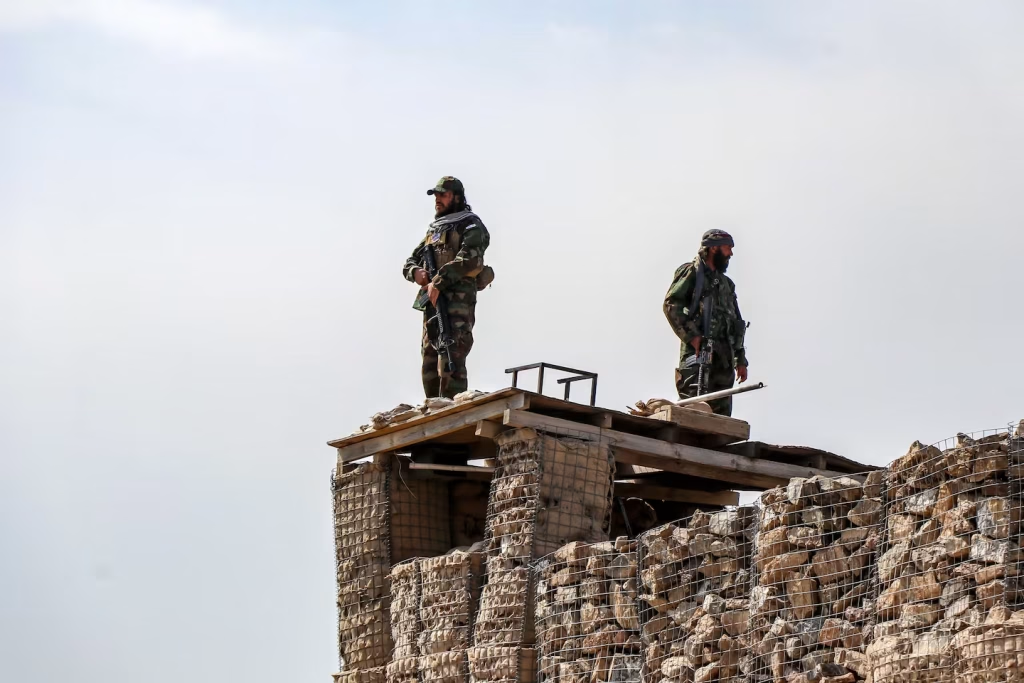
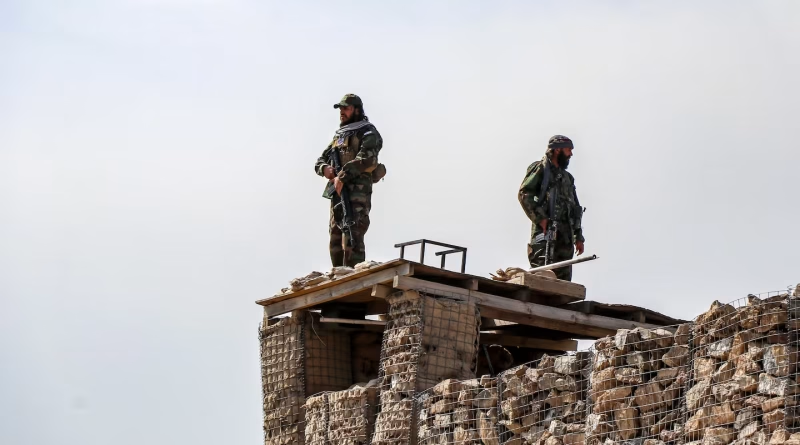
Tensions between Pakistan and Afghanistan’s Taliban government erupted into what Islamabad’s leadership described as a state of “open war” this week, as both sides traded deadly airstrikes and ground attacks that have drawn international concern and threatened to destabilize an already volatile region.
The conflict escalated late Thursday and into Friday when Pakistani forces carried out airstrikes on major urban centers including Kabul, Kandahar and Paktia, marking a significant departure from previous border skirmishes. Afghanistan’s Taliban authorities, which control Kabul, confirmed retaliatory strikes on Pakistani military positions, setting off a cycle of military exchanges and sharply elevated rhetoric.
What Triggered the Escalation
Islamabad has for months accused Afghanistan of providing safe haven to the Tehreek-e-Taliban Pakistan (TTP) — a militant group responsible for deadly attacks inside Pakistan — a claim Kabul strongly denies. Both countries have seen periodic cross-border firing along the Durand Line — a 1,600-mile frontier that remains contested decades after its drawing.
Pakistan’s Defence Minister Khawaja Asif declared on social media that “patience has reached its limit,” characterizing the Taliban-led government as failing to prevent militant organizations from operating in Afghanistan. The minister’s comments followed earlier violence in recent weeks attributed by Islamabad to attacks from Afghan-based fighters.
In response, Afghanistan’s Ministry of Defence said its forces conducted air operations against Pakistani military targets, including sites in Islamabad and other cities, claiming the actions were a defensive response to Pakistani airstrikes and border infringements.
Casualty Claims and Conflicting Reports
Both sides have offered sharply contrasting casualty figures and narratives about the fighting. Pakistani officials reported that their strikes killed scores of Taliban fighters and destroyed militant infrastructure, while Afghan authorities claimed Pakistani military forces suffered losses and bases were captured. Independent verification of these claims remains difficult amid a chaotic information environment.
International media also reported explosions heard across Kabul and visual evidence of heavy artillery fire, attesting to the intensity of recent operations. The chaos has prompted civilian evacuations near border regions and a spike in humanitarian vulnerability among populations already suffering from years of instability.
International Reactions and Diplomatic Calls for Calm
Global actors have flagged the rapidly deteriorating situation with alarm. The United States expressed support for Pakistan’s “right to defend itself” against attacks from militant groups while also emphasizing concern over rising violence, urging both sides to avoid further escalation.
Regional powers including Russia and Iran have called for an immediate cessation of hostilities and encouraged a return to diplomatic channels, warning that the conflict could destabilize South and Central Asia. The United Nations Secretary-General similarly urged protection of civilians and renewed negotiations to resolve differences peacefully.
Previous attempts at peace talks — including mediation efforts by Qatar and Turkey in 2025 — failed to produce a lasting ceasefire, leaving unresolved tensions and mistrust between the neighbouring nations.
Regional and Humanitarian Implications
The sudden escalation risks impacting not only military and political relations but also humanitarian conditions across Afghanistan and Pakistan’s border provinces. Millions in both countries remain dependent on international aid, and renewed conflict could further disrupt economic activity and regional cooperation.
Analysts warn the war could draw in additional militant groups, complicate counterterrorism efforts, and strain diplomatic ties with global partners already wary of instability in South Asia. As clashes continue, the urgent need for de-escalation and genuine dialogue remains at the forefront of international concern.