Russia Iran Drones Deal: A Dangerous Shift in Modern Warfare
The emerging Russia Iran Drones Deal is raising alarm across global intelligence and defense communities, as new reports suggest Moscow is now supplying upgraded drone technology back to Tehran—marking a dramatic reversal in their military partnership.
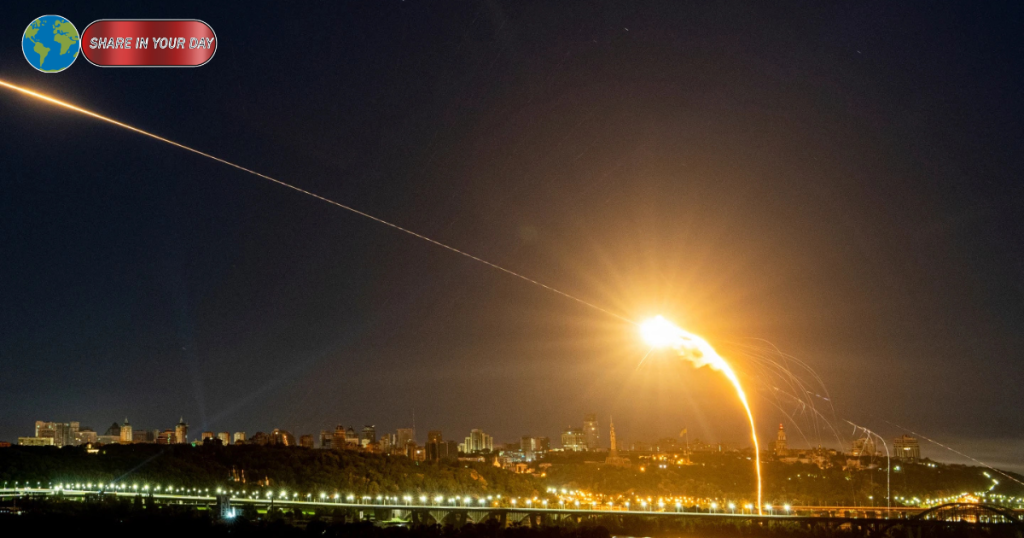
For years, Iran supplied Russia with its widely used Shahed drones, which became a defining weapon in the war in Ukraine. Now, according to U.S. and European officials, Russia is returning the favor—sending more advanced versions of those same drones back to Iran.
This evolving cooperation could significantly reshape conflicts not only in Eastern Europe but also across the Middle East.
From Supplier to Partner: A Reversed Drone Pipeline
The Russia Iran Drones Deal represents a full-circle moment in military collaboration.
Initially:
- Iran developed and exported Shahed drones
- Russia deployed them extensively in Ukraine
- Moscow then scaled domestic production using Iranian designs
Now, the relationship has shifted again.
Western intelligence indicates that Russia has upgraded these drones with:
- Improved navigation systems
- Enhanced anti-jamming capabilities
- Potential artificial intelligence integration
- Faster propulsion systems
These enhancements could make the drones significantly more difficult to intercept, posing new challenges for Western defense systems.
What Are Shahed Drones and Why They Matter
At the center of the Russia Iran Drones Deal are Shahed drones—low-cost, long-range unmanned aerial vehicles designed for one-way attack missions.
Their strategic importance lies in three key factors:
1. Low Cost, High Impact
Shahed drones are far cheaper than traditional missiles, often costing tens of thousands of dollars compared to millions for defense interceptors.
2. Swarm Capabilities
They can be launched in large numbers, overwhelming even advanced air defense systems.
3. Long Range and Flexibility
Some newer variants can travel up to 1,000 kilometers and carry significant explosive payloads.
Because of these advantages, Shahed drones have become one of the most disruptive weapons in modern warfare.
A Growing Threat in the Middle East
The implications of the Russia Iran Drones Deal extend far beyond Ukraine.
Recent intelligence suggests that Iran has already used drone technology in attacks targeting:
- U.S. military bases
- Israeli territory
- Gulf region infrastructure
If Iran receives upgraded drones from Russia, the consequences could include:
- More precise strikes
- Faster attack speeds
- Increased resistance to electronic warfare
Officials warn that such advancements could stretch U.S. and allied defense systems to their limits.
Intelligence Sharing and Strategic Alignment
The drone deal is only one part of a broader deepening relationship between Moscow and Tehran.
According to Western officials:
- The two countries are engaged in “very active” discussions
- Intelligence sharing has increased significantly
- Russia may be assisting Iran with targeting data
This growing alignment reflects a wider geopolitical shift, as both nations seek to counter Western influence.
However, the extent of the cooperation remains unclear. Some officials suggest the drone transfer could be symbolic or limited in scale, rather than a full-scale military supply chain.
Denials, Doubts, and Strategic Messaging
Despite mounting reports, Russia has publicly denied sending advanced drones to Iran, calling the claims misinformation.
This contradiction highlights a familiar pattern in international conflicts:
- Covert military cooperation
- Public diplomatic denial
- Strategic ambiguity
Even if the transfer is limited, experts believe the symbolism alone sends a powerful message about the strengthening Russia-Iran alliance.
Ukraine War Lessons Now Shaping Global Conflict
The Russia Iran Drones Deal is also a direct result of lessons learned in Ukraine.
Over the past two years:
- Russia deployed thousands of Shahed drones against Ukrainian targets
- Ukraine developed countermeasures and interception strategies
- Both sides adapted rapidly to drone warfare
This battlefield experience has turned Ukraine into a testing ground for modern drone tactics.
Now, those lessons are being exported.
Iran, analysts say, has already adapted Russian strategies such as:
- Launching drones along multiple paths
- Coordinating attacks to evade defenses
The result is a new generation of drone warfare that is faster, cheaper, and more adaptive.
The Rise of AI and Next-Generation Drones
One of the most concerning aspects of the Russia Iran Drones Deal is the potential integration of artificial intelligence.
Emerging reports suggest newer drones could include:
- Autonomous navigation systems
- AI-assisted targeting
- Coordinated swarm behavior
These capabilities could reduce reliance on human operators and increase the speed and unpredictability of attacks.
In practical terms, this means:
- Shorter response times for defenders
- Greater accuracy for attackers
- Higher risk of saturation attacks
Experts warn that such advancements could mark the beginning of a new era in warfare.
A Broader Geopolitical Impact
The implications of the Russia Iran Drones Deal are global.
In Europe:
- It could intensify the war in Ukraine
- Increase pressure on NATO defense systems
In the Middle East:
- It could escalate tensions between Iran, Israel, and the U.S.
- Expand the scale and frequency of drone attacks
Globally:
- It could accelerate the spread of drone warfare technology
- Encourage other nations to develop similar capabilities
Additionally, analysts warn that the growing alliance may divert global attention from Ukraine, allowing Russia to pursue its objectives with less scrutiny.
Why This Deal Matters Now
Timing is critical.
The Russia Iran Drones Deal comes amid:
- Escalating conflict involving Iran, Israel, and U.S. forces
- Ongoing war in Ukraine
- Rising tensions among global powers
This convergence of conflicts increases the risk of:
- Regional wars expanding
- Miscalculations between major powers
- A broader shift toward drone-dominated warfare
The Future of Warfare Is Already Here
If one conclusion emerges from the Russia Iran Drones Deal, it is this: warfare is changing rapidly.
Traditional military advantages—such as expensive missile systems and large-scale equipment—are being challenged by:
- Low-cost drones
- Rapid innovation cycles
- Flexible, decentralized tactics
Countries that adapt quickly will gain a strategic edge.
Those that do not may find themselves vulnerable.
Conclusion: A New Axis of Military Innovation
The Russia Iran Drones Deal is more than a military transaction—it is a signal of a deeper strategic alignment and a shift in how wars are fought.
From Ukraine to the Middle East, drones are redefining the battlefield.
What began as a partnership of convenience has evolved into a two-way exchange of technology, intelligence, and tactics.
As tensions rise and technology advances, the world may be entering a new phase of conflict—one where speed, scale, and innovation matter more than ever before.
And at the center of it all are drones that cost a fraction of traditional weapons—but carry consequences far greater.