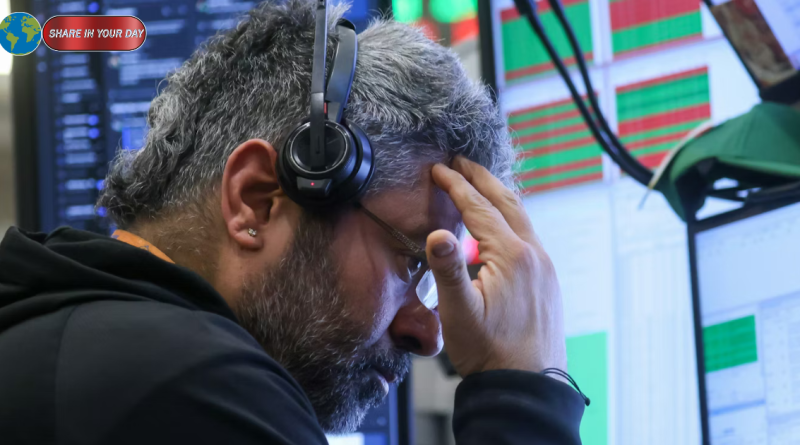
Stock Market Correction: 5 Shocking Bear Signals
Introduction: Are We Entering Dangerous Territory?

The global financial landscape in 2026 is increasingly defined by uncertainty. Investors who once rode the wave of a powerful bull market are now asking a critical question: is this just a temporary dip—or the beginning of something much worse?
The term stock market correction is no longer theoretical. It is happening in real time. Major indices have already fallen sharply from their peaks, and volatility is rising across sectors.
A correction typically refers to a decline of around 10% from recent highs, while a drop exceeding 20% signals a full-fledged bear market.
What makes 2026 particularly concerning is that several warning signs are appearing simultaneously—economic, geopolitical, and technical.
This article breaks down five shocking signals that suggest a deeper downturn may be approaching.
What Is a Stock Market Correction?
Before diving into the warning signs, it is essential to understand what a correction really means.
A stock market correction is a natural and common part of market cycles. Historically, markets experience declines of around 10–15% even during strong years.Recent reports show that:
- The S&P 500 has dropped close to correction territory
- The Nasdaq has already entered correction after falling more than 10%
- The Dow Jones is also experiencing sustained declines
This broad-based decline suggests the weakness is not isolated—it is systemic.
Moreover, markets have logged multiple consecutive weeks of losses, a pattern often associated with deeper downturns rather than short-term pullbacks.
2. Geopolitical Tensions Are Shaking Confidence
Markets do not operate in a vacuum. In 2026, geopolitical instability is playing a major role in investor anxiety.
The ongoing conflict involving the United States, Israel, and Iran has significantly impacted global markets. Rising oil prices and fears of supply disruptions have added inflationary pressure and uncertainty.
Historically, such tensions have triggered market volatility—and sometimes accelerated downturns.
Energy price spikes, in particular, can squeeze corporate profits and consumer spending, creating ripple effects across the economy.
3. Technical Indicators Are Flashing Bearish Signals
Beyond headlines, technical data is also raising red flags.
Analysts point to several concerning indicators:
- The S&P 500 has dropped beyond key thresholds that often trigger sell signals
- A potential “death cross” is forming, where short-term averages fall below long-term averages
- Selling pressure is increasing across the market
These signals are widely watched by institutional investors. When they align, they often lead to increased selling and reduced risk appetite.
While technical indicators are not perfect predictors, they can amplify existing trends—especially in uncertain environments.
4. Valuations Remain Historically High
Even after recent declines, many analysts argue that stocks are still expensive.
Key valuation metrics, such as price-to-earnings ratios, remain elevated compared to historical averages. High valuations leave little room for error.
When expectations are too optimistic, even small disappointments—such as weaker earnings or slower growth—can trigger sharp corrections.
This dynamic has played out repeatedly in market history, including during the dot-com bubble and the 2022 downturn.
5. Mixed Signals From Wall Street
Perhaps the most confusing aspect of the current situation is the lack of consensus among experts.
Some analysts believe the correction is nearing its end, pointing to continued earnings growth and strong fundamentals.
Others warn that more losses could be ahead, citing technical indicators and macroeconomic risks.
Meanwhile, certain investors even argue that stocks are now undervalued and present buying opportunities.
This divergence reflects a market at a crossroads—where both bullish and bearish scenarios remain plausible.
Image Section
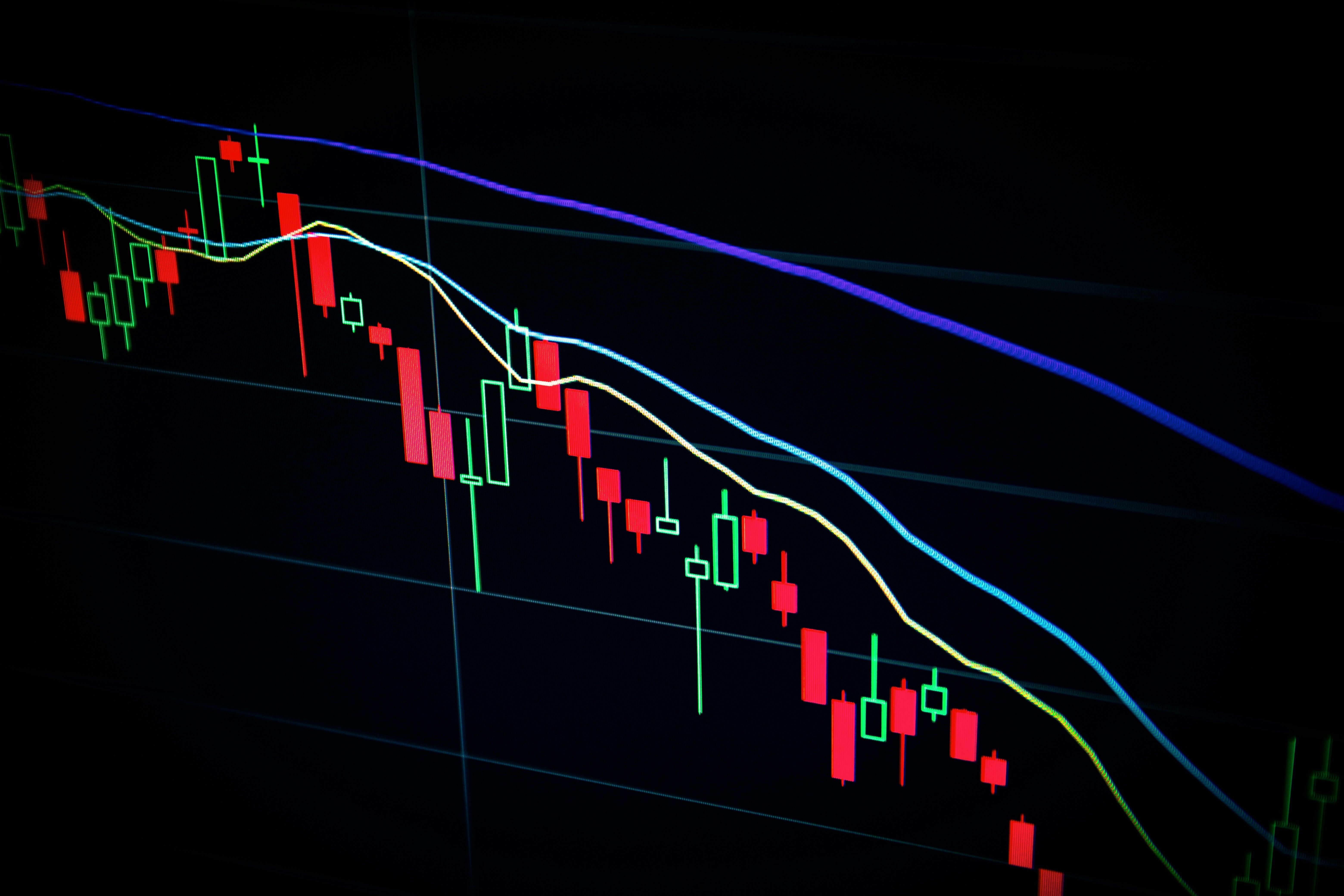
Image ALT Text: stock market correction bear trend chart 2026
Correction vs Bear Market: Why It Matters
Understanding the difference between a correction and a bear market is crucial for investors.
- Correction: Short-term decline (10–20%), often temporary
- Bear Market: Sustained drop (20%+), usually tied to economic downturn
Bear markets tend to last longer and have deeper impacts on portfolios, employment, and economic growth.
The key question now is whether the current stock market correction will stabilize—or escalate.
The Role of Interest Rates and Inflation
Another critical factor shaping the market outlook is monetary policy.
Rising interest rates tend to reduce stock valuations by increasing borrowing costs and offering more attractive returns in bonds.
At the same time, inflation remains a persistent concern. Higher prices reduce consumer purchasing power and corporate margins.
Central banks, including the Federal Reserve, are walking a fine line between controlling inflation and avoiding a recession.
This delicate balance adds another layer of uncertainty to the market.
Investor Psychology: Fear vs Opportunity
Market downturns are not just about numbers—they are also about emotions.
As volatility increases, fear often drives decision-making. Investors may sell assets to avoid losses, further accelerating declines.
However, history shows that corrections can also create opportunities.
Some of the best long-term returns come from investing during periods of uncertainty—provided the underlying economy remains strong.
The challenge is distinguishing between a temporary dip and a structural downturn.
What Should Investors Do Now?
In times of uncertainty, disciplined strategies are essential.
1. Stay Diversified
Diversification helps reduce risk by spreading investments across different asset classes.
2. Avoid Panic Selling
Short-term volatility does not always indicate long-term decline.
3. Focus on Fundamentals
Companies with strong earnings and balance sheets are more resilient during downturns.
4. Maintain a Long-Term Perspective
Market cycles are inevitable. Long-term investors often benefit from staying invested.
The Bigger Picture: A Volatile 2026 Ahead
Many analysts agree on one thing: 2026 will be a volatile year.
Both bullish and bearish scenarios have strong arguments. On one hand, technological innovation and economic resilience support continued growth. On the other, geopolitical risks and high valuations pose significant threats.
This combination makes the current environment particularly complex—and potentially dangerous.
Conclusion: A Critical Moment for Markets
The current stock market correction may be just the beginning—or it could prove to be a healthy reset before the next rally.
What is clear is that multiple warning signs are aligning:
- Falling indices
- Rising geopolitical tensions
- Bearish technical indicators
- Elevated valuations
- Conflicting expert opinions
Whether these factors lead to a full bear market remains uncertain.
However, one thing is undeniable: investors are entering a critical phase where caution, strategy, and awareness will be more important than ever.
However, corrections can sometimes evolve into bear markets—especially when driven by deeper structural issues such as economic slowdown, rising interest rates, or geopolitical crises.
In 2026, many of these risk factors are converging.
1. Major Indexes Are Already Falling
One of the clearest signals of a correction is already visible: markets are declining.