Stocks Slide Sharply as Tech Sell‑Off and Economic Concerns Hit Markets on February 5, 2026
New York — Global financial markets experienced a widespread downturn on Thursday, February 5, 2026, as investors grappled with mounting concerns about technology sector valuations, elevated capital expenditures in artificial intelligence (AI), and weakening labor market signals. Major stock indexes in the United States and abroad closed significantly lower, while cryptocurrency and precious metals prices also retreated.
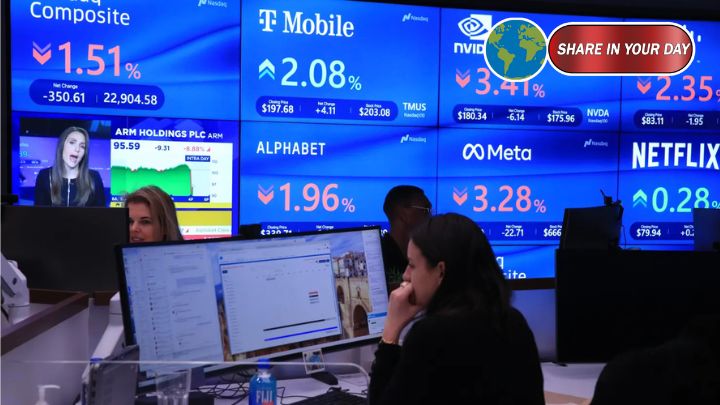
Wall Street Ends Deep in the Red
U.S. markets finished the day sharply lower, deepening a multi‑day sell‑off that has dented investor confidence. The S&P 500 fell about 1.2 percent, extending losses into its sixth decline in seven sessions. The Dow Jones Industrial Average dropped roughly 1.2 percent, while the Nasdaq Composite — heavily weighted toward technology stocks — slid about 1.6 percent. The Russell 2000 small‑cap index slipped nearly 1.8 percent.
Market pressure was intensified by a renewed rout in cryptocurrencies. Bitcoin fell below $64,000, roughly half its record level from late 2025, while other major digital assets such as Ether and Solana also tumbled — underscoring heightened risk aversion among investors.
Tech Sector Weakness and AI Spending Fears
Technology stocks were the epicenter of selling pressure, driven partly by concerns over massive capital expenditures tied to AI development. Alphabet (Google’s parent company) reported plans to invest up to $185 billion on AI infrastructure in 2026, a figure that spooked investors focused on near‑term profitability and free cash flow. Shares of major tech names including Microsoft, Palantir and Oracle posted significant losses.
Analysts say the sell‑off reflects a broader reassessment of AI‑driven growth narratives, where expectations for near‑term economic returns lag behind the aggressive spending commitments announced by large tech firms.
Labor Market and Economic Data Dampens Sentiment
In addition to tech concerns, indicators from the labor market hinted at slowing momentum. Reports showed monthly job openings at their lowest level in more than five years, while weekly initial unemployment claims rose unexpectedly — adding to fears of a broader economic slowdown. These weak data points contributed to lower Treasury yields as investors sought perceived “safe‑haven” assets.
International Markets Also Weaken
The downward trend extended beyond U.S. borders. European stock indexes saw declines as investors reacted to mixed corporate earnings and cautious guidance from central bank officials. London’s FTSE 100, for example, fell amid expectations of future interest rate cuts following dovish signals from the Bank of England. Asian markets were also pressured in early trading, reflecting lingering risk‑off sentiment.
Emerging markets were not immune: Indian equity benchmarks such as the Nifty 50 and BSE Sensex closed lower, weighed down by broad selling across major sectors.
Mixed Performance Across Sectors
While the sell‑off was broad, select defensive names and non‑tech sectors showed relative resilience. Healthcare and consumer staples stocks provided some support as investors rotated away from high‑growth tech shares, emphasizing more established earnings and perceived safety.
What This Means for Investors
Thursday’s market moves signaled a shift in investor psychology. The persistent decline in major indexes — especially tech‑heavy benchmarks — and heightened volatility in cryptocurrencies suggest that market participants are increasingly cautious amid uncertainty regarding economic strength and the profitability of long‑term AI investments. Continued softening in labor data has only added to these concerns, challenging hopes for a smooth economic trajectory in 2026.
As markets head into the next trading session, investors will be closely watching upcoming economic releases, corporate earnings reports and any new signals from central banks for clues on future direction.