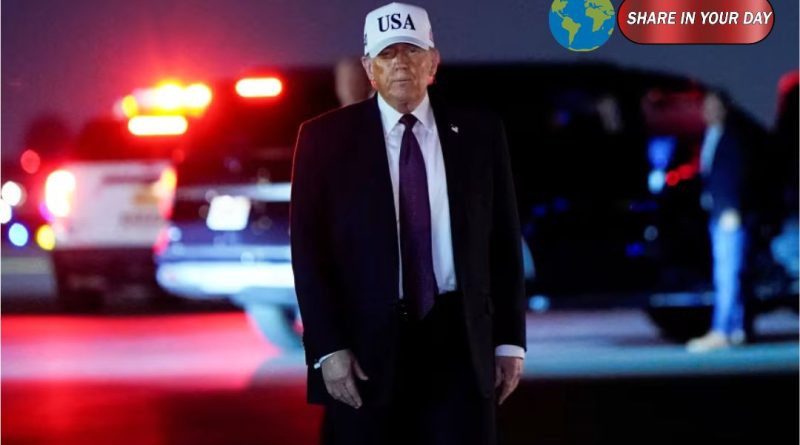
🇺🇸 U.S. Congress Confronts War Powers Debate After Trump Orders Strikes on Iran
Capitol Hill Erupts Over War Powers After Trump’s Iran Strikes
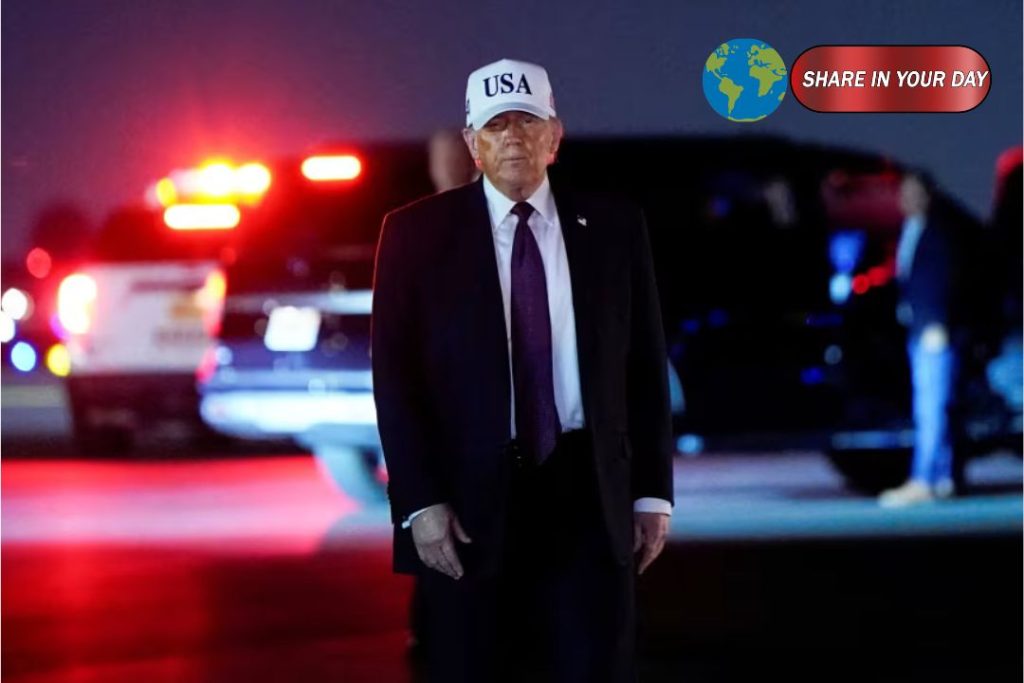
WASHINGTON — President Donald Trump’s decision to authorize military strikes against Iran without formal congressional authorization has triggered an intense constitutional and political clash in the U.S. Congress, raising fundamental questions about presidential war powers, legislative oversight and America’s role in an expanding Middle East conflict.
The debate erupted after joint U.S.–Israeli strikes on Iranian targets on Saturday, followed by Iranian ballistic missile and drone retaliatory attacks across the region, including against U.S. bases and allies. Lawmakers from both sides of the aisle quickly seized on the issue, accusing the administration of bypassing constitutional requirements and demanding legislative action.
Congress Asserts Its Constitutional Authority
Key Democratic and Republican lawmakers have called for an immediate vote on war powers resolutions aimed at restraining further military action unless Congress grants explicit authorization — a rare but highly symbolic confrontation over the separation of powers.
Sen. Tim Kaine (D-Va.), a leader of the bipartisan effort, described the strikes as “a colossal mistake” and urged Congress to reconvene urgently to assert its constitutional role. In the House, Reps. Ro Khanna (D-Calif.) and Thomas Massie (R-Ky.) have pushed for a public vote on their bipartisan war powers measure, arguing that deploying U.S. forces into combat without legislative approval risks deeper entanglement in a prolonged Middle Eastern war.
“The Constitution clearly delegates to Congress the power to declare war,” said one senior lawmaker, underscoring why reopening this long-standing debate is now seen as essential.
Republicans Split, Democrats Demand Oversight
While some Republicans have backed the President’s military action, others in the party have expressed concern about sidelining Congress. Senate Majority Leader John Thune (R-S.D.) indicated support for briefings to explain the administration’s rationale to lawmakers before a full vote.
By contrast, many congressional Democrats argue the strikes were unconstitutional without explicit authorization, emphasizing that lawmakers were provided limited notice and that constitutional war-making authority resides with the legislative branch. Senate Minority Leader Chuck Schumer and House Democratic Leader Hakeem Jeffries have demanded both classified and public briefings to clarify the scope and objectives of the strikes, as well as stronger legislative oversight.
Legal Experts Question Presidential Authority
Legal scholars and constitutional experts have weighed in amid the uproar, with many expressing skepticism about the legality of the President’s actions without congressional approval. According to legal analysts, while past presidents have cited Article II powers as commander in chief to engage in certain military actions, the Constitution’s war-making provisions and the War Powers Resolution of 1973 require more robust legislative involvement, especially for wider campaigns that resemble traditional warfare.
“My view is that the President has violated constitutional limits by launching this military campaign without congressional authorization,” one expert said, highlighting that only Congress can formally declare war.
What’s at Stake on Capitol Hill
The proxy fight now unfolding in Congress represents a broader struggle over presidential authority, especially in the context of prolonged or open-ended military engagements abroad. Some lawmakers aim to use the war powers debate to reclaim legislative influence over major military decisions, while others foresee a symbolic resolution that may not alter the administration’s operational options.
As Congress prepares to return from recess next week, expect intense committee hearings, war powers resolutions, and heated debate as lawmakers attempt to define — and possibly limit — the President’s power to conduct military operations without prior congressional approval.
The Broader Constitutional Question
The clash underscores an enduring tension in American governance between the executive branch’s role as commander in chief and the legislature’s constitutional mandate over war and peace decisions — a debate that has resurfaced repeatedly since the Vietnam War and shaped disagreements over conflicts in Iraq, Syria and beyond.
Whether Congress can effectively check presidential military power — or if the White House can maintain broad latitude in future conflicts — remains a central issue as the United States grapples with the complex fallout of events in the Middle East and the constitutional implications at home.