Trump Orban Alliance Takes Center Stage Before Election
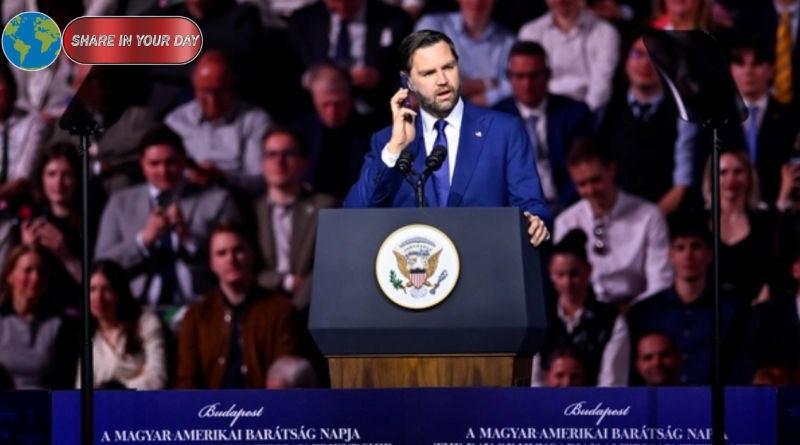
The Trump Orban alliance has come under intense global scrutiny as U.S. Vice President JD Vance traveled to Hungary to openly support Prime Minister Viktor Orbán ahead of a pivotal national election.
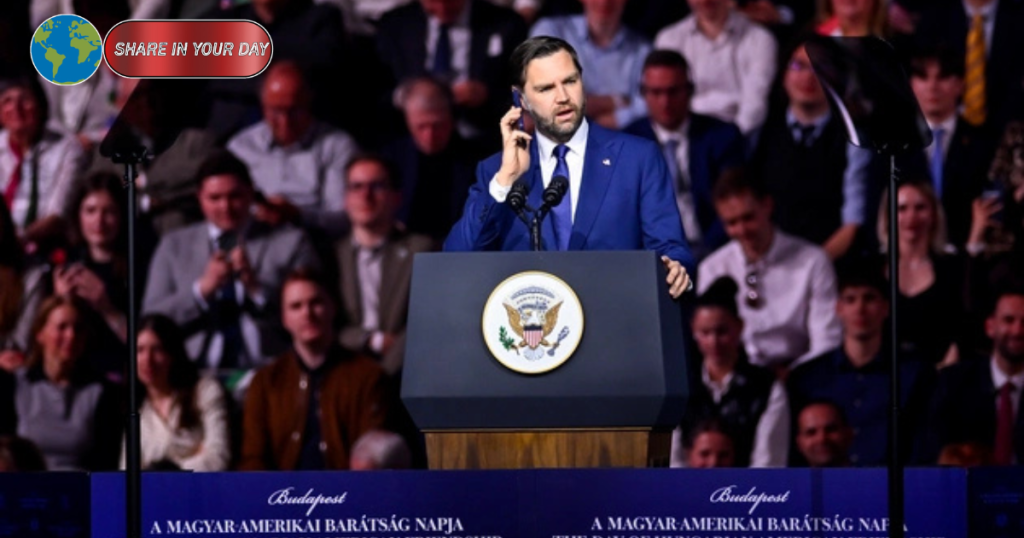
The move, strongly backed by U.S. President Donald Trump, represents a rare and controversial intervention in a foreign democratic process. As Hungary prepares for what could be its most competitive election in over a decade, the growing alignment between Washington and Budapest is raising serious political and diplomatic questions.
Why the Trump Orban Alliance Matters Now
At the heart of the controversy is timing. Hungary’s parliamentary election, scheduled for April 12, 2026, is widely seen as the toughest challenge yet for Orbán, who has ruled for over 16 years.
Polls suggest his nationalist government could lose ground to opposition leader Péter Magyar, making international support more politically sensitive than ever.
Against this backdrop, the Trump administration’s decision to send Vance to Budapest signals just how much is at stake—not only for Hungary but also for the broader conservative movement.
JD Vance’s Visit Sparks Global Debate
The Trump Orban alliance became even more visible during Vance’s high-profile visit to Budapest. During meetings and public appearances, Vance praised Orbán as a defender of traditional Western values and criticized the European Union.
He also accused EU leaders of interfering in Hungary’s internal affairs, a claim strongly rejected by European officials.
What makes the situation particularly unusual is that U.S. administrations have historically avoided directly supporting candidates in foreign elections. Vance’s actions mark a sharp departure from that norm.
Meanwhile, his visit comes at a time when the U.S. is already dealing with escalating international tensions, including conflicts in the Middle East, further amplifying concerns about foreign policy priorities.
Trump’s Strong Support for Viktor Orbán
The Trump Orban alliance is not new—but it has never been more visible.
Trump has repeatedly praised Orbán, describing him as a strong and effective leader. Their relationship is rooted in shared political ideologies, including nationalism, strict immigration policies, and skepticism toward liberal institutions.
Orbán has also been a long-time supporter of Trump, endorsing him in multiple U.S. elections and aligning Hungary’s policies with similar conservative principles.
During Vance’s visit, Trump even made a surprise appearance via phone at a political rally in Hungary, further reinforcing his endorsement of Orbán’s campaign.
A Broader Conservative Strategy in Europe
The Trump Orban alliance reflects a larger strategy by American conservatives to strengthen ties with like-minded leaders across Europe.
Orbán’s political model—often described as “illiberal democracy”—has gained admiration among segments of the U.S. conservative movement. His emphasis on national identity, cultural conservatism, and centralized authority resonates strongly with Trump’s political base.
By supporting Orbán, the Trump administration is effectively promoting this model beyond U.S. borders, signaling a shift toward more ideological foreign policy engagement.
Critics Warn of Dangerous Precedent
However, the Trump Orban alliance has drawn sharp criticism from both domestic and international observers.
Critics argue that openly backing a foreign leader undermines democratic norms and risks escalating geopolitical tensions. Some analysts have also raised concerns about Orbán’s close ties to Russia, suggesting that the alliance could complicate relationships with NATO and the European Union.
Opposition leader Péter Magyar has condemned the involvement of foreign powers in Hungary’s election, framing it as interference that threatens national sovereignty.
Even within Europe, the move has deepened divisions among conservative parties, with some distancing themselves from Orbán’s policies and alliances.
Election Stakes: A Turning Point for Hungary
The upcoming election is shaping up to be a defining moment for Hungary.
After more than a decade in power, Orbán faces growing dissatisfaction over economic challenges, corruption allegations, and concerns about democratic backsliding.
At the same time, the opposition has gained momentum by focusing on domestic issues such as public services and economic reform.
If Orbán loses, it could signal a major shift not only in Hungary’s political landscape but also in the broader European balance of power.
Could the Strategy Backfire?
While the Trump Orban alliance is intended to boost Orbán’s chances, some experts believe it could have the opposite effect.
Analysts suggest that overt support from the U.S. might alienate undecided voters or reinforce opposition narratives about foreign interference.
In addition, Vance himself acknowledged that the U.S. would work with any future Hungarian government—comments that critics say undermine the strength of the endorsement.
Rising Tensions Between the U.S. and Europe
The Trump Orban alliance is also intensifying tensions between the United States and its European allies.
Vance’s criticism of the European Union, combined with broader policy disagreements—including NATO commitments and Ukraine support—has strained transatlantic relations.
European leaders have pushed back against claims of interference, emphasizing the importance of democratic integrity and national sovereignty.
This growing divide highlights a fundamental shift in global politics, where alliances are increasingly shaped by ideology rather than traditional diplomacy.
What Happens Next?
As Hungary heads toward election day, the world is watching closely.
The outcome will not only determine the future of Orbán’s leadership but also test the effectiveness of the Trump Orban alliance as a political strategy.
A victory for Orbán could strengthen nationalist movements across Europe and validate Trump’s approach to foreign policy. Conversely, a loss could signal limits to that influence and reshape the conservative landscape.
Final Thoughts: A Defining Global Moment
The Trump Orban alliance represents more than just a political partnership—it’s a symbol of shifting global dynamics.
With the United States taking a more direct role in international elections and aligning closely with nationalist leaders, the implications extend far beyond Hungary.
Whether this strategy succeeds or backfires, one thing is clear: the world is entering a new era of political alliances, where ideology, influence, and power intersect in unprecedented ways.