UK and China Cement Business Ties as Starmer Secures Deals with Pop Mart, JD.com During Beijing Visit
Beijing, China — British Prime Minister **Keir Starmer’s four‑day business‑focused visit to China has triggered a flurry of commercial agreements and investment commitments from Chinese companies, including major names such as collectible toy maker Pop Mart and e‑commerce giant JD.com, according to CNBC and official statements.
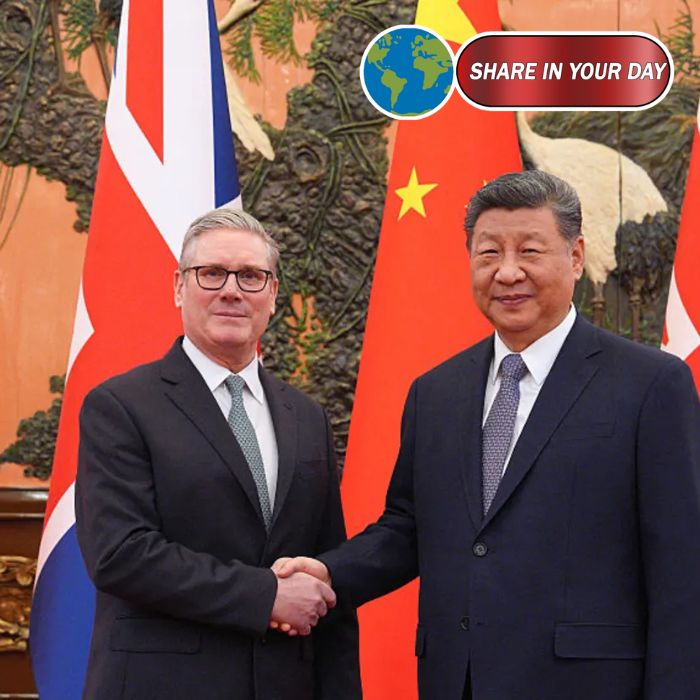
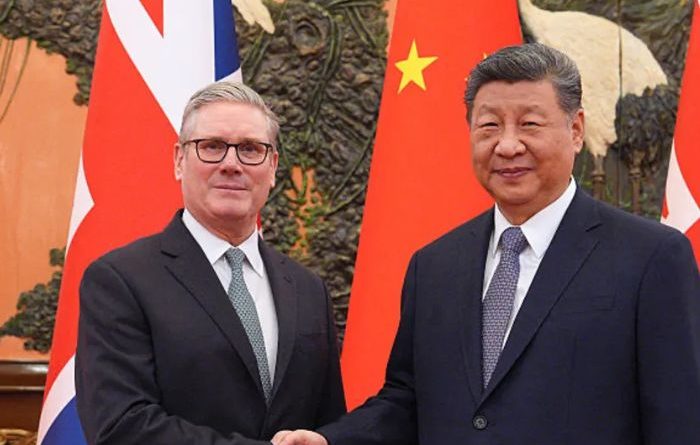
Following high‑level talks with Chinese President Xi Jinping and engagements at the UK‑China Business Forum, Starmer described the trip as a landmark moment to deepen economic ties with China — the world’s second‑largest economy — amid shifting global trade dynamics.
Major Commercial Wins and Deals
Starmer’s delegation secured £2.2 billion in export agreements and an additional £2.3 billion in market access commitments over the next five years, figures confirmed by Downing Street. These outcomes reflect strengthened access for British firms to Chinese markets and offer new commercial pathways for iconic UK sectors such as spirits, services and manufacturing.
A standout announcement came from Pop Mart, the Beijing‑based maker of the viral “Labubu” designer collectibles. The company pledged to establish its European headquarters in London, open seven new UK stores, including a flagship on Oxford Street, and expand into 20 more European locations. This move is expected to create more than 150 jobs in the UK and underscores China’s growing appetite for international retail expansion.
Chinese e‑commerce leader JD.com also signed agreements to assist British brands in accessing the Chinese consumer market through its platforms and logistics network, promising to boost bilateral commerce further.
Broader Strategic Context
Starmer’s trip — the first by a UK prime minister to China since 2018 — was accompanied by a large business delegation representing sectors from banking and technology to creative industries. Officials framed the visit as a pragmatic effort to revive economic growth at home, attract inward investment and broaden export opportunities for UK companies.
Beyond Pop Mart and JD.com, other Chinese entities — including an energy storage firm and life sciences group — pledged investment that could create hundreds of roles in Britain. These commercial commitments come alongside diplomatic progress, such as tariff reductions on key UK exports like Scotch whisky and improved terms for market entry.
Reactions and Geopolitical Dynamics
The China visit has stirred debate within international policy circles. While Starmer defended economic engagement with Beijing as vital to UK economic interests, critics — notably from the United States — warned against too close a relationship. President Donald Trump described deeper UK‑China ties as “very dangerous,” reflecting broader geopolitical tensions that shadow commercial outreach.
Chinese state media, for its part, portrayed Starmer’s trip as a pragmatic shift toward prioritizing economic cooperation over political confrontation, a narrative pointing to mutual benefits amid global uncertainties.
Economic Implications
The outcomes of Starmer’s visit signal a potential recalibration of UK‑China trade relations after years of relative diplomatic coolness. With strengthened market access, Chinese investment in UK retail and services, and a growing role for Chinese digital platforms in British export strategies, both nations appear poised to explore new commercial horizons — even as questions about human rights, national security and global strategic alignments remain part of the broader dialogue.
As UK businesses prepare to expand their footprints in China and Chinese firms plant deeper roots in the European market, Starmer’s visit could mark a turning point in post‑Brexit trade strategy and the future shape of global economic partnerships.