Ukraine War Gains: 5 Strategic Moves Weakening Russia
The latest developments in the Russia-Ukraine conflict highlight a significant shift in momentum, as Ukraine War Gains continue to reshape both the battlefield and the broader economic landscape of the war.
In recent weeks, Ukrainian forces have not only slowed Russian advances but also reclaimed territory and launched strategic strikes against key energy infrastructure. These coordinated efforts are beginning to drain Russia’s war chest, limiting Moscow’s ability to sustain prolonged military operations.
This evolving strategy reflects a more sophisticated approach by Kyiv—one that combines military resilience, technological innovation, and economic disruption.
1. Slowing Russian Advances on the Front Lines
One of the most immediate signs of Ukraine’s progress is its ability to halt Russian offensives across multiple مناطق of the фронт.
After months of grinding attrition, Ukrainian forces have managed to stop Russian troops “in their tracks”, preventing further territorial gains in key مناطق.
This is a notable achievement given Russia’s earlier attempts to push deeper into eastern and southern Ukraine. While Moscow has claimed progress in regions like Luhansk, the broader фронт tells a more complex story, with Ukraine stabilizing positions and even launching localized counterattacks.
Military analysts suggest that this defensive success is not merely about holding ground—it is about buying time for more strategic operations elsewhere.
2. Reclaiming Occupied Territory
Beyond defense, Ukraine has also demonstrated renewed offensive capability.
Since early 2026, Ukrainian forces have been conducting counteroffensive operations, particularly in southern regions. These efforts have resulted in net territorial gains, marking the first time in months that Ukraine has regained more land than it lost.
Some estimates suggest that hundreds of square kilometers have been retaken, including multiple settlements. These gains may not yet represent a निर्णायक breakthrough, but they signal a steady shift in battlefield dynamics.
Importantly, these advances also disrupt Russian supply lines and weaken defensive positions, creating opportunities for further operations.
3. Targeting Russia’s Oil Exports
Perhaps the most impactful aspect of Ukraine’s strategy lies beyond the battlefield.
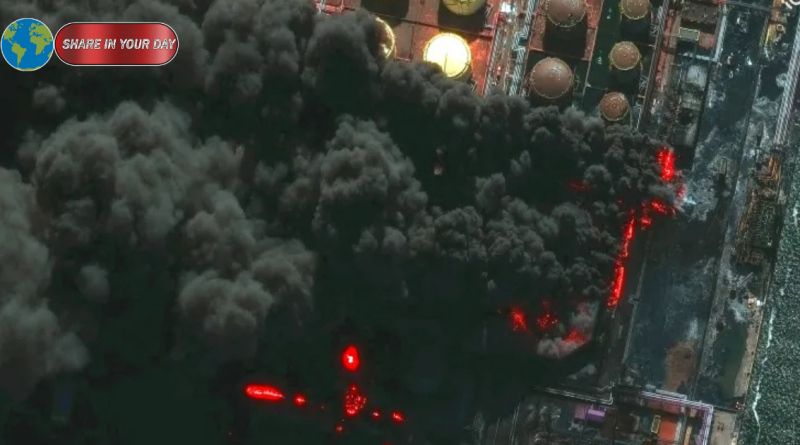
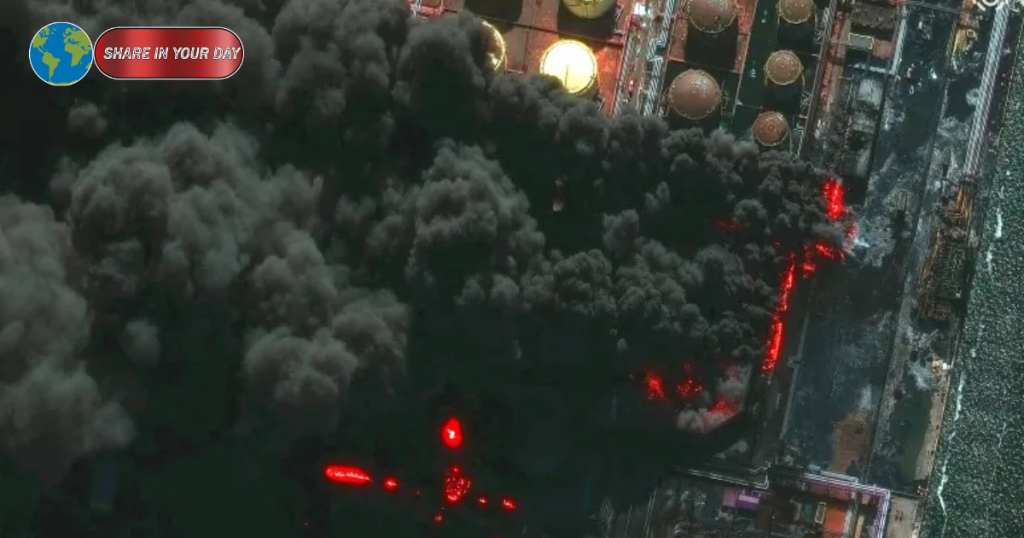
In a series of coordinated drone and missile strikes, Ukraine has targeted Russia’s oil export infrastructure, particularly at Baltic Sea ports such as Ust-Luga and Primorsk.
These facilities are critical to Russia’s economy, serving as major hubs for crude oil shipments. By striking them repeatedly, Ukraine has reportedly forced temporary shutdowns and disrupted export capacity.
This strategy is significant because oil revenues form a substantial portion of Russia’s war funding. Any disruption directly affects Moscow’s ability to finance military operations, pay troops, and procure equipment.
In essence, Ukraine is not just fighting on the battlefield—it is attacking the financial backbone of Russia’s war effort.
4. The Rise of Drone Warfare
A key عامل behind these Ukraine War Gains is the rapid expansion of drone technology.
Ukraine has significantly increased its domestic drone production, allowing it to carry out precise, long-range strikes deep داخل Russian territory.
These drones serve multiple purposes:
- Surveillance and разведка
- Targeted strikes on infrastructure
- Disruption of logistics and supply chains
Meanwhile, Russia has also adapted its tactics, reportedly extending drone attacks throughout the day rather than limiting them to nighttime operations—an approach believed to be influenced by Iranian strategies.
This evolving drone الحرب underscores how modern conflicts are increasingly shaped by التكنولوجيا rather than traditional troop movements alone.
5. Economic Warfare Draining Russia’s Resources
The cumulative effect of these strategies is clear: Ukraine is placing sustained pressure on Russia’s economy.
By targeting oil exports and forcing costly defensive measures, Kyiv is effectively raising the cost of war for Moscow.
At the same time, Russia must invest heavily in air الدفاع systems, repair damaged infrastructure, and maintain troop deployments across a vast фронт.
This dual الضغط—military and economic—creates a long-term challenge for the Kremlin. Even if Russia maintains some territorial control, the financial strain could limit its ability to escalate or prolong the conflict.
A War of Adaptation and Innovation
The current phase of the conflict highlights how both sides are adapting.
Ukraine has shifted toward a strategy that combines:
- Tactical defense
- Targeted offensives
- Economic disruption
Meanwhile, Russia continues to adjust its tactics, including increased drone usage and попытки to secure new supply lines and alliances.
This dynamic underscores a broader reality: the war is no longer defined solely by territorial السيطرة but by the ability to sustain long-term operations.
Global Implications of Ukraine’s Strategy
Ukraine War Gains are not just reshaping the battlefield—they are also influencing global markets and geopolitics.
Energy Markets
Disruptions to Russian oil exports can impact global energy prices, especially in Europe and Asia, where demand remains high.
Military Strategy
The الحرب is becoming a case study in modern warfare, particularly in the use of drones and economic targeting.
International Support
Ukraine’s успехes may strengthen its position with allies, potentially leading to increased military and financial support.
Challenges Still Facing Ukraine
Despite these gains, significant challenges remain.
- Russia still controls large portions of eastern Ukraine
- The фронт remains highly contested
- Both sides continue to suffer heavy losses
Moreover, Russia’s ability to мобилизовать resources and adapt tactics means the conflict is far from over.
Even with recent successes, Ukraine must sustain its momentum while managing limited resources and ongoing угрозы.
What Comes Next?
Looking ahead, several factors will shape the next phase of the war:
Continued Infrastructure Strikes
Ukraine is likely to continue targeting energy and logistics hubs to weaken Russia economically.
Expanded Drone Warfare
Both sides will invest further in drone technology, making it a central feature of the conflict.
Potential Escalations
As pressure mounts, the risk of escalation—both militarily and economically—remains high.
Conclusion
The latest Ukraine War Gains represent a turning point in the conflict’s trajectory. By combining battlefield resilience with strategic economic strikes, Ukraine has demonstrated an ability to challenge Russia on multiple fronts.
From halting advances to disrupting oil exports, Kyiv’s approach is reshaping how modern wars are fought—and won.
While the outcome of the conflict remains uncertain, one thing is clear:
Ukraine is no longer just defending—it is actively redefining the battlefield and the rules of war.