US and Israel Expand Military Strikes on Iran as War Enters Fourth Day
Updated March 4, 2026 — A rapidly escalating conflict in the Middle East saw new explosions in Tehran and across the region as the United States and Israel intensified military operations against Iran, entering the fourth day of hostilities. The campaign, which began late last week, has triggered widespread retaliation, diplomatic fallout, and mounting casualty figures.
Explosions and Expanding Conflict
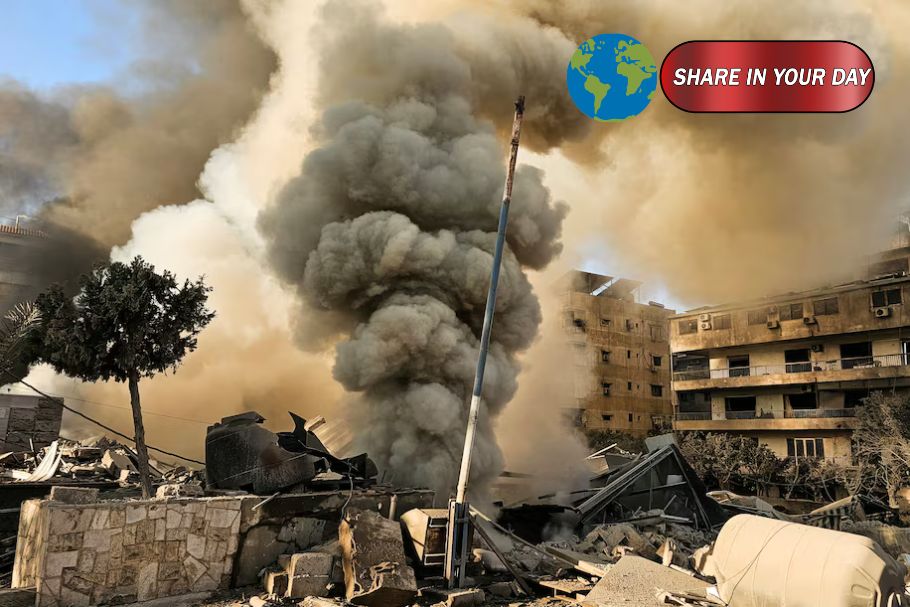
Explosions were reported late Tuesday in Tehran, Iran’s capital, and in Jerusalem, highlighting the widening scope of the conflict. Iranian forces have continued launching missiles and drones toward U.S. and allied targets throughout the region, while Israel has stepped up air and missile strikes against Iranian infrastructure and Hezbollah positions in Lebanon.
The crisis, now stretching over multiple countries in the Middle East, has led to significant civilian and military casualties, heightened fears of further escalation, and a reshaping of regional security dynamics.
U.S. Response and Embassy Closures
Amid intensifying conflict and retaliatory actions by Iran and its allied militias, the U.S. government has closed several embassies across the Middle East, including locations in Kuwait and Saudi Arabia, citing safety concerns for American personnel and citizens.
The State Department has scrambled to assist stranded U.S. citizens amid airport closures and disrupted travel, arranging military and charter flights to help evacuations.
Trump’s Strategic Messaging
President Donald Trump has taken an unorthodox approach to media engagement during the crisis, making a series of calls and public statements aimed at shaping the narrative around the military operation. Trump has emphasized that the conflict could continue for an extended period and has defended the strikes as necessary to counter perceived threats, while also downplaying foreign influence on the decision to act.
In remarks designed to frame the war as both strategic and justifiable, Trump said that elements “from within” the Iranian regime might best lead the country once hostilities cease, underscoring an unclear post‑conflict vision.
Regional Retaliation and Wider Impact
Iran has responded with a broad campaign of retaliatory strikes across the Middle East. Ghazali and allied militia operations, including those by Hezbollah, have targeted Israeli and Western interests, while several Persian Gulf states reported missile and drone activity. The conflict’s expansion beyond Iran and Israel has heightened concerns among global security analysts about further escalation.
The CIA’s station in Riyadh was reportedly hit in a drone attack, illustrating the conflict’s reach into the Arabian Peninsula and the risks to international intelligence and military operations.
Human and Diplomatic Toll
The war has created serious diplomatic strains. The United States has faced challenges with allied governments and humanitarian concerns, while citizens caught in the crossfire have struggled to evacuate conflict zones amid travel disruptions.
The conflict is also placing unprecedented pressure on diplomatic channels, with critics pointing to breakdowns in negotiations that preceded the hostilities. Opponents of the Trump administration’s actions argue the abrupt shift from diplomatic engagement to full‑scale military action came without clear warning, complicating crisis response efforts.
What’s Next
With the conflict surpassing the three‑day mark, the future trajectory of U.S. and Israeli military strategy remains uncertain. High‑level leaders have signaled that operations could continue well beyond initial projections, even as global calls for restraint grow louder. Analysts warn that prolonged engagement risks deeper regional instability, wider humanitarian suffering, and mounting international tensions.