U.S. to Deploy More Missile Systems to Philippines Amid South China Sea Tensions
MANILA, Philippines — The United States is preparing to station additional advanced missile systems in the Philippines as part of an expanding defense partnership designed to deter perceived threats and bolster security in the contested South China Sea region, officials said. The announcement comes amid rising geopolitical tensions with China and a renewed emphasis on strategic cooperation with Southeast Asian treaty allies.
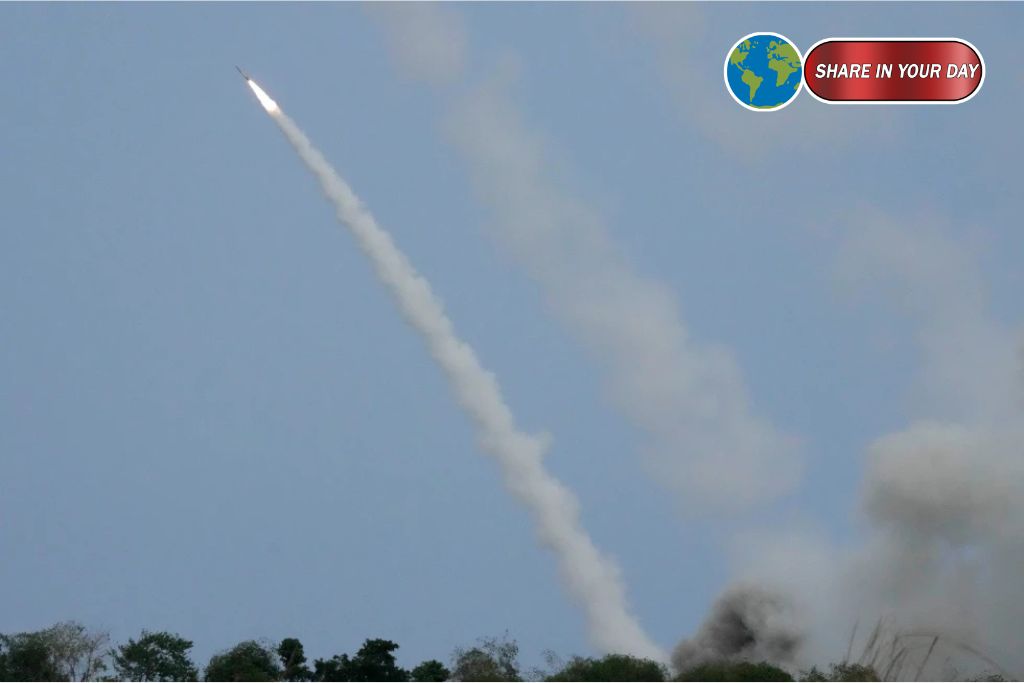
During annual defense talks held this week in Manila, U.S. and Philippine officials outlined plans to enhance military collaboration, including joint exercises, modernization of the Philippine military and increased deployments of U.S. missile and unmanned systems on Philippine soil. Washington and Manila reaffirmed their commitment to shared security interests and condemned what they described as “illegal, coercive, aggressive, and deceptive activities” by China in the South China Sea.
Expanded Missile Presence
The expanded deployment would build on existing U.S. military assets already operating in the Philippines, including the Typhon mid-range missile system and the Navy Marine Expeditionary Ship Interdiction System — an anti-ship missile launcher — stationed previously on the main northern island of Luzon. These systems were deployed initially as part of previous joint defense drills and have remained in place as part of ongoing military cooperation.
Philippine Ambassador Jose Manuel Romualdez said the sophisticated weapons platforms are meant to enhance deterrence and defense readiness, noting that exposure to these systems helps Filipino forces familiarize themselves with advanced capabilities. He also hinted that the Philippines may pursue acquiring comparable missile systems of its own in the future.
The Typhon system — a U.S. Army-developed Mid-Range Capability battery — can launch Standard Missile-6 and Tomahawk Land Attack Missiles, providing both surface-to-air and long-range strike options. From bases in northern Luzon, its range would theoretically bring parts of mainland China within reach, a reality that has fueled debate over regional stability.
Chinese Objections and Regional Reactions
Beijing has repeatedly expressed alarm over the presence of U.S. missile systems in the Philippines, framing them as provocative and destabilizing to Southeast Asian security. Chinese officials have criticized the deployments as actions that could fuel tension and potentially spur a regional arms race. Manila has maintained that the deployments are legitimate defensive measures and within its sovereign right to strengthen national security amid ongoing maritime disputes with Beijing.
China’s concerns reflect broader geopolitical unease over intensified U.S. military activity in Southeast Asia. Officials in Beijing have warned that such deployments could heighten friction over contested waters, including key transport and energy routes through the South China Sea.
Alliance Dynamics and Security Strategy
The decision to expand U.S. missile deployments with Philippine cooperation underscores the deepening strategic alignment between the two nations. The alliance — rooted in a mutual-defense treaty dating back to the early 1950s — has grown more robust as regional flashpoints escalate and China’s maritime assertiveness increases.
In parallel, the United States has been strengthening its defense posture across the broader Indo-Pacific region, signaling sustained engagement in partnership with allies and emphasizing freedom of navigation, military readiness and regional deterrence. U.S. defense officials have reiterated their commitment to defending shared interests and maintaining open lines of communication with China while also reassuring partners of support amid rising security concerns.
Outlook
As Manila and Washington move forward with expanded missile deployments and joint defense planning, the intensifying focus on military cooperation is likely to continue shaping the strategic landscape of the Asia-Pacific. For the Philippines, a country at the frontline of South China Sea disputes, the bolstered partnership represents both a security guarantee and a diplomatic balancing act in an increasingly complex geopolitical environment.