US Stock Markets Extend Weekly Decline as Oil Prices Surge and War Fears Intensify
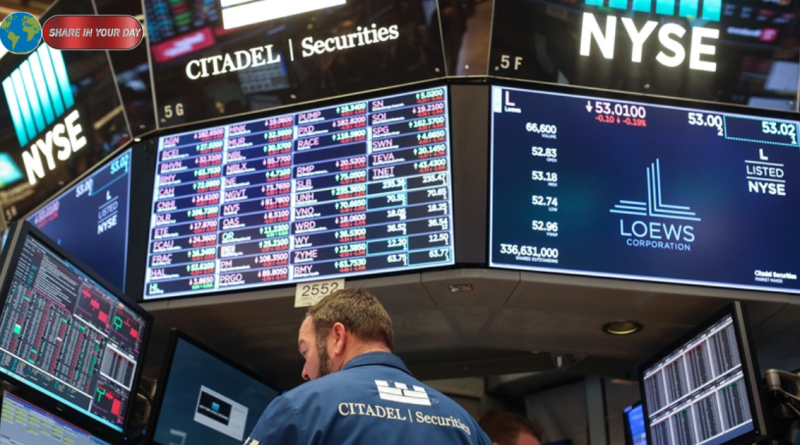
U.S. stock markets ended the week in negative territory, extending a streak of losses as escalating geopolitical tensions and surging oil prices rattled investor confidence and deepened concerns over inflation.
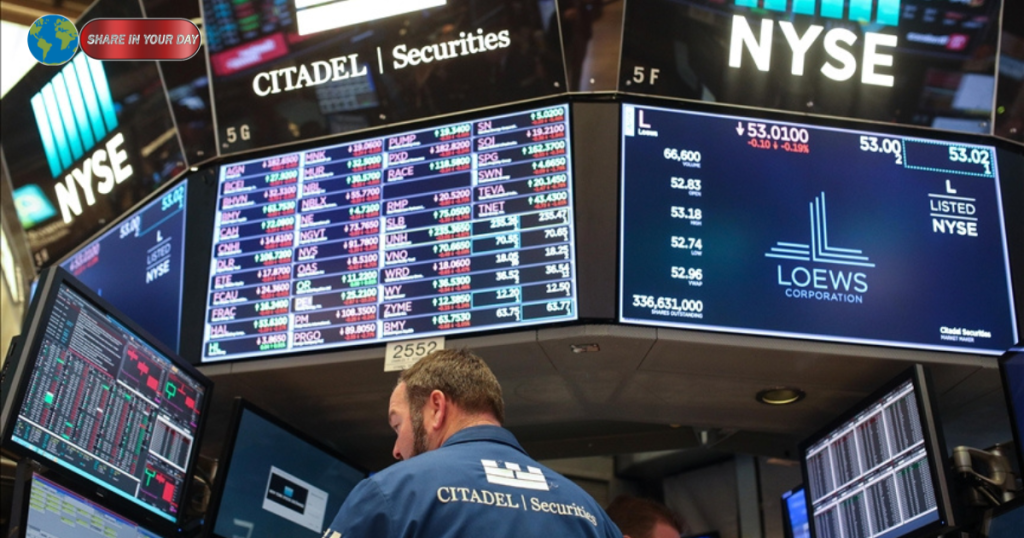
All three major indexes closed sharply lower on Friday, reflecting growing unease across global financial markets.
The Dow Jones Industrial Average fell 0.96%, shedding more than 440 points, while the S&P 500 dropped 1.51%. The tech-heavy Nasdaq Composite led declines, sliding 2.01% by the closing bell.
Markets Under Pressure From Rising Global Tensions
The latest sell-off comes against the backdrop of intensifying conflict in the Middle East, where ongoing military escalation has disrupted energy supplies and pushed crude oil prices higher.
Brent crude climbed above $112 per barrel, while U.S. benchmark West Texas Intermediate hovered near $98, reflecting mounting fears of prolonged supply disruptions.
The situation has been further complicated by instability in the Strait of Hormuz, a critical global shipping route for oil. Disruptions in the region have heightened concerns about supply shortages, feeding directly into inflation expectations and investor anxiety.
Analysts say these developments are weighing heavily on equities, particularly as higher energy costs ripple through global supply chains and corporate earnings outlooks.
Inflation Concerns Shift Market Expectations
The surge in oil prices has revived fears that inflation may remain elevated for longer than previously anticipated, forcing central banks to maintain or even tighten monetary policy.
Investors have increasingly scaled back expectations for interest rate cuts, with some now anticipating the possibility of further rate hikes if inflation persists.
Central banks, including the Federal Reserve, European Central Bank, Bank of England, and Bank of Japan, have already signaled caution, opting to hold rates steady while warning of potential price pressures linked to the ongoing conflict.
This shift in outlook has driven bond yields higher, making equities less attractive and contributing to the recent downturn.
Volatility Spikes as Fear Grips Markets
Market volatility has also surged, reflecting the heightened uncertainty.
The CBOE Volatility Index (VIX), often referred to as Wall Street’s “fear gauge,” jumped more than 11% during the session, signaling growing nervousness among investors.
Rising volatility typically indicates expectations of further market swings, and analysts warn that conditions may remain unstable in the near term.
Global Markets Follow Wall Street Lower
The downturn was not limited to the United States.
European markets also ended the week in the red, mirroring Wall Street’s losses. The pan-European Stoxx 600 index declined by nearly 1.8%, while major national indexes in the United Kingdom, Germany, and France all posted significant drops.
The synchronized decline underscores the global nature of current market pressures, driven largely by geopolitical risk and energy market volatility.
A Fourth Straight Week of Losses
Friday’s decline capped a fourth consecutive week of losses for U.S. equities, marking one of the most sustained downturns in recent months.
Recent data shows the S&P 500 has fallen around 1.5% in the latest session alone, with the Dow and Nasdaq also posting notable weekly declines.
The prolonged slide reflects a combination of factors, including geopolitical tensions, rising input costs, and fading optimism about monetary easing.
What Investors Are Watching Next
Looking ahead, market participants are closely monitoring developments in the Middle East, particularly any signs of escalation or resolution that could influence oil prices.
At the same time, upcoming economic data and central bank signals will be critical in shaping expectations for interest rates and inflation.
For now, uncertainty remains the dominant theme.
With geopolitical risks unresolved and inflation concerns re-emerging, analysts warn that markets could face continued pressure in the weeks ahead.