U.S. Unemployment Benefits Applications Rise to 231,000 — Highest in Two Months
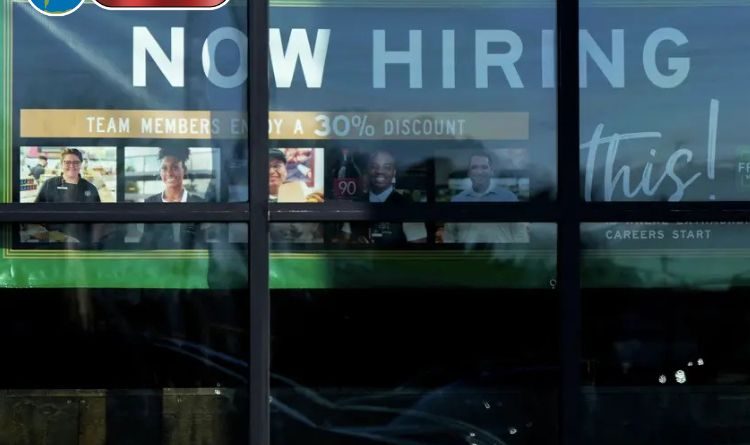
WASHINGTON, D.C. (AP) — The number of Americans filing for unemployment benefits rose sharply last week, the U.S. Labor Department reported Thursday, signaling a modest uptick in jobless claims even as the overall labor market remains historically resilient.
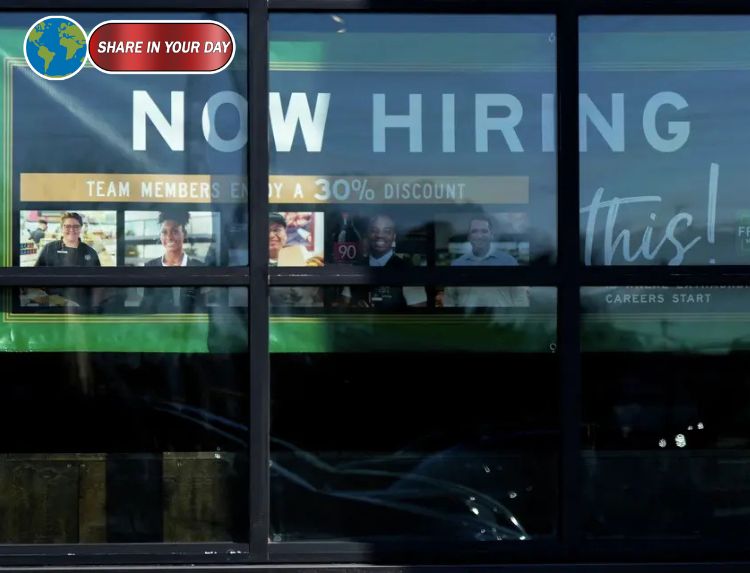
For the week ending Jan. 31, 2026, initial claims for jobless aid increased by 22,000, reaching 231,000 — the largest weekly rise in two months. Economists had expected around 211,000 new applications, according to analysts surveyed by data firm FactSet.
Labor Market Context
Unemployment benefits filings are widely regarded as a near–real‑time indicator of layoffs and hiring trends. While the latest increase may attract attention, the figure remains within a historically low range seen over the past few years, reflecting a job market that — despite slowing hiring — has resisted steep downturns.
The four‑week moving average, which smooths out short‑term volatility in the weekly data, also climbed, rising by 6,000 to 212,250. This broader measure helps labor economists discern underlying trends beyond week‑to‑week fluctuations.
Temporary Factors and Job Market Resilience
Analysts note that seasonal factors, including disruptions from winter weather, likely contributed to the recent surge. Reports indicate that snowstorms in several states may have temporarily halted operations at businesses, pushing more workers to file claims for at least partial unemployment.
Despite the uptick, the job market’s fundamentals remain relatively strong. Continuing claims — representing those who remain on benefit rolls after an initial week of aid — also grew modestly, but remain consistent with elevated labor participation and continued employment opportunities.
Broader Implications for the Economy
Economists see the latest claims data as less a harbinger of widespread layoffs and more a reflection of normal labor market variability at the start of the year. Higher energy prices, lingering supply chain disruptions, and shifts in sectoral demand continue to influence hiring patterns, but there is no clear evidence of a dramatic labor market weakening at this stage.
As policymakers, including the Federal Reserve, monitor these trends, data like weekly jobless claims will play a role in gauging the trajectory of employment conditions and broader economic growth heading into 2026.