Windfall Tax EU Plan: 5 Nations Push Bold Energy Move
A new windfall tax EU proposal is gaining traction after five major European countries called for urgent action to tax energy companies benefiting from soaring fuel prices.
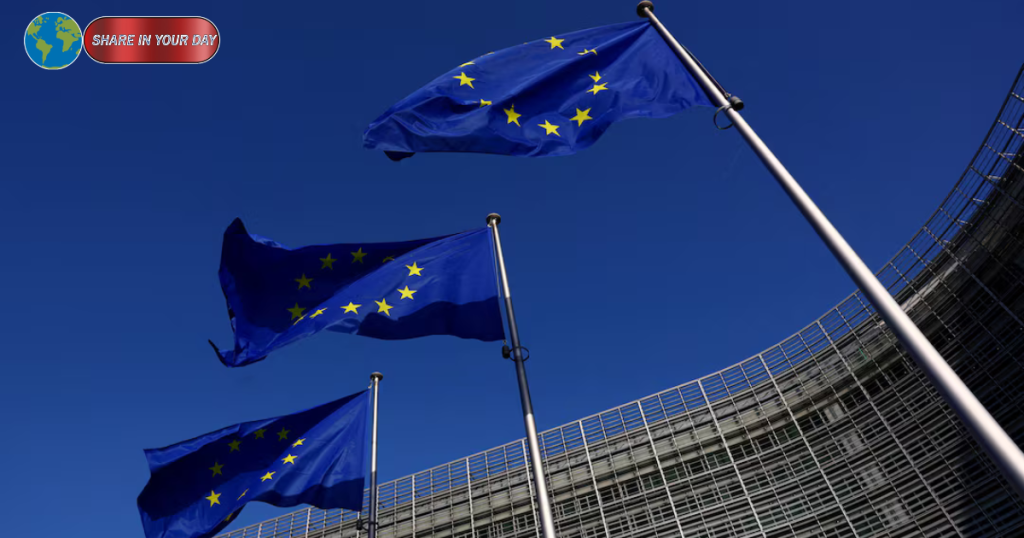
The move comes amid a fresh energy price surge triggered by escalating geopolitical tensions, particularly the ongoing conflict involving Iran. As energy costs climb sharply, policymakers are once again turning to extraordinary fiscal tools to protect consumers and stabilize inflation.
Five EU Nations Unite Behind Windfall Tax Proposal
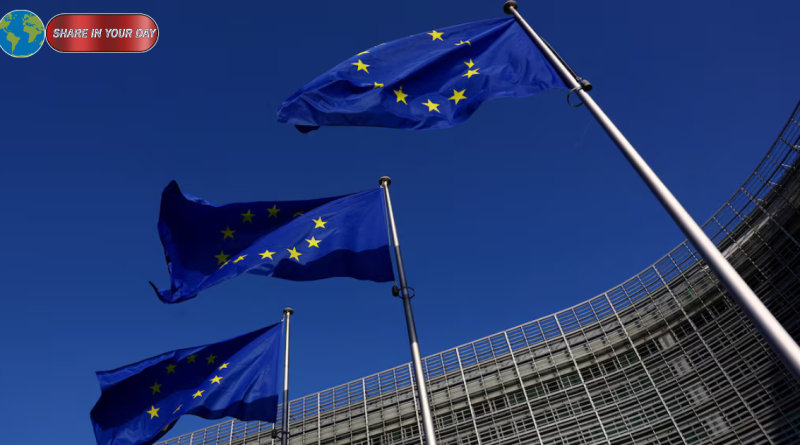
Finance ministers from Germany, Italy, Spain, Portugal, and Austria have jointly urged the European Commission to introduce a bloc-wide windfall tax targeting energy companies.
In a formal letter addressed to EU officials, the ministers argued that such a measure would help fund relief programs for households and businesses struggling with rising fuel costs. At the same time, it would send a strong political message about fairness during times of crisis.
The ministers emphasized that companies benefiting from extraordinary profits linked to global disruptions should contribute to easing the burden on citizens.
This coordinated push highlights growing concern among EU governments about the economic fallout of rapidly increasing energy prices.
Energy Prices Surge Over 70%
The urgency behind the windfall tax EU initiative is tied directly to the dramatic spike in energy costs.
Since late February 2026, European gas prices have surged by more than 70%, largely driven by geopolitical instability and disruptions in global supply chains.
The situation mirrors the energy crisis that followed Russia’s invasion of Ukraine in 2022, although the current spike is linked to tensions in the Middle East.
Europe’s reliance on imported fuel leaves it particularly vulnerable to such shocks. Even as the EU continues to expand renewable energy sources, fossil fuels still play a critical role in transportation and industrial sectors.
What Is a Windfall Tax and Why It Matters
A windfall tax EU policy refers to a targeted levy imposed on companies that generate unusually high profits due to external circumstances, rather than their own operational efficiency.
In the energy sector, these profits often arise during crises when supply disruptions drive prices upward. Governments use windfall taxes to redistribute some of these gains, typically funding subsidies or financial relief for consumers.
The concept is not new. During the 2022–2023 energy crisis, the EU implemented similar measures, requiring energy firms to contribute a portion of their excess profits to support struggling households.
These policies helped governments raise billions of euros, demonstrating the potential effectiveness of such interventions.
A Return to Crisis-Era Policies
The latest proposal signals a possible return to emergency-style economic policies.
Back in 2022, the EU introduced a series of measures, including:
- Caps on gas prices
- Mandatory reductions in energy consumption
- Windfall taxes on fossil fuel companies
These actions were designed to cushion the economic blow of supply disruptions and prevent runaway inflation.
Now, as a new energy shock unfolds, policymakers are revisiting those tools. The European Commission has confirmed it is reviewing the proposal alongside other potential responses.
Balancing Relief and Market Stability
While the windfall tax EU plan has strong political backing, it also raises important economic questions.
Supporters argue that:
- It provides immediate financial relief
- It reduces inflationary pressure
- It promotes fairness during crises
However, critics—including industry representatives—warn that such taxes could distort markets and discourage investment.
Energy companies have pushed back against the idea that they are making unjustified profits, arguing that their primary focus remains maintaining supply under challenging conditions.
There are also concerns that overly aggressive taxation could slow the transition to renewable energy by reducing available capital for investment.
Lessons From Past Windfall Taxes
Previous windfall tax policies offer valuable insights into what may lie ahead.
During the last energy crisis:
- The EU collected approximately €29 billion in windfall revenues
- Some countries exceeded expectations, while others fell short
- Effectiveness varied depending on policy design and market conditions
These mixed results highlight the importance of carefully designing the tax to balance revenue generation with economic stability.
Experts emphasize that how governments use the revenue is just as important as how they collect it. Investments in renewable energy, infrastructure, and long-term energy security can amplify the benefits of such policies.
Inflation Pressures and Budget Constraints
Another key driver behind the windfall tax EU proposal is the growing pressure on public finances.
Unlike in 2022, many European governments now face tighter budget constraints due to higher debt levels and stricter fiscal rules. This limits their ability to provide large-scale subsidies or financial aid.
As a result, windfall taxes are seen as a way to generate revenue without increasing public debt.
Economists note that targeted measures—such as windfall taxes—are more feasible in the current environment than broad spending programs.
The Role of Geopolitics in Energy Policy
The renewed focus on windfall taxes underscores the deep connection between geopolitics and energy markets.
The current crisis, linked to conflict involving Iran, has disrupted global oil and gas flows, driving up prices worldwide. This has once again exposed Europe’s vulnerability to external shocks.
Despite progress in renewable energy, the EU remains dependent on imported fossil fuels for key sectors. This dependence makes it difficult to fully shield the economy from global price fluctuations.
Industry Pushback and Investment Concerns
Energy companies and industry groups have voiced concerns about the potential impact of the proposed tax.
Their arguments include:
- Reduced incentives for investment in energy infrastructure
- Increased regulatory uncertainty
- Potential supply disruptions if companies scale back operations
Some companies have already warned that prolonged or permanent windfall taxes could lead to delays in major energy projects, including renewable initiatives.
This tension highlights a broader challenge: balancing short-term consumer relief with long-term energy security and sustainability.
What Happens Next?
The European Commission is now evaluating the proposal, with discussions expected to intensify in the coming weeks.
Key questions remain unanswered, including:
- What level the tax would be set at
- Which companies would be targeted
- How revenues would be distributed
Any final decision will likely require careful negotiation among EU member states, as well as input from industry stakeholders.
A Defining Moment for EU Energy Policy
The windfall tax EU proposal represents more than just a fiscal measure—it reflects a broader shift in how governments respond to economic shocks.
As Europe navigates another energy crisis, policymakers are being forced to make difficult choices about fairness, sustainability, and economic stability.
The outcome of this debate could shape the future of EU energy policy, influencing how the bloc handles not only current challenges but also future crises.
Conclusion
The call by five EU nations for a windfall tax on energy companies marks a significant moment in Europe’s response to rising energy prices.
Driven by geopolitical tensions and economic pressures, the proposal aims to balance immediate relief for consumers with broader fiscal responsibility.
While challenges remain, including industry opposition and policy design complexities, the initiative underscores a growing consensus: in times of crisis, extraordinary profits may require extraordinary measures.
As the European Commission weighs its options, the world will be watching closely to see how the EU navigates this latest energy challenge—and whether the windfall tax EU becomes a cornerstone of its strategy.