Wuthering Heights Film Sparks Debate Over Adaptation Choices and Creative Vision
The 2026 film adaptation of Emily Brontë’s enduring 1847 novel Wuthering Heights, directed by Emerald Fennell and starring Margot Robbie and Jacob Elordi, has ignited a wave of discussion among critics and audiences alike. While some praise its bold visuals and performances, others argue the film strays too far from the raw emotional core of the original story.
A Reimagined Classic
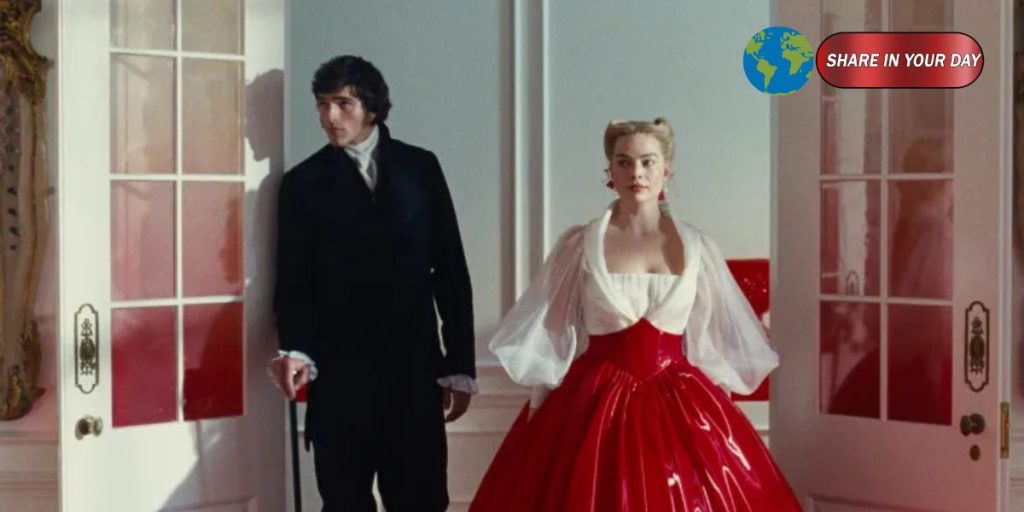
Released earlier this month, the film — stylised with quotation marks around its title — represents Fennell’s deeply personal response to the gothic romance rather than a faithful retelling of Brontë’s novel. Fennell herself has emphasised that she made “a version” of the story inspired by her own memories of reading the book, not an exact adaptation.
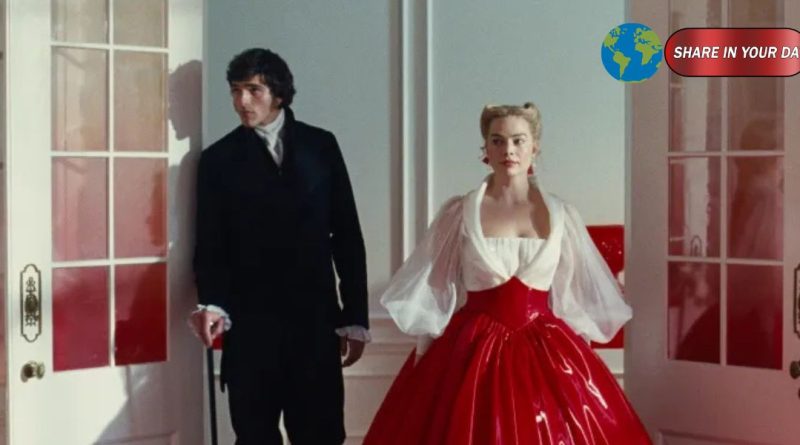
The movie stars Robbie as Catherine Earnshaw and Elordi as Heathcliff, with a supporting cast that includes Hong Chau, Shazad Latif, and Alison Oliver in roles that bring the moody Yorkshire moors to life in vivid cinematic form.
Robbie, also a producer on the project, described Cathy as a character of dramatic extremes — “monstrous yet fascinating” — capturing the tortured love at the heart of the narrative. Elordi, portraying Heathcliff, embraced the emotional intensity of the role, noting that the wild, unforgiving landscape parallels his character’s inner turmoil.
Praise and Pushback
Reactions to the adaptation have been sharply divided. Many viewers and fans on social platforms have praised the film for its aesthetic and sensory impact, with visually rich sequences and a compelling central pairing. Some social media users even noted the overall cinematic experience as rewarding, while others questioned its narrative decisions and faithfulness to the novel’s tone.
On the critical side, some commentators argue that the film softens Brontë’s original portrayal of psychologically complex, often brutal characters into something closer to melodrama, lacking the original’s emotional sharpness. The aesthetic flourishes and deviations, such as the portrayal of certain relationships and character arcs, have sparked particular debate.
Creative Choices Under the Microscope
Fennell’s decision to reinterpret rather than directly adapt the novel mirrors her broader artistic philosophy — prioritising creative resonance over textual fidelity. This approach has inspired both admiration and frustration among audiences familiar with the source material, many of whom reacted strongly to the film’s stylistic choices.
The film’s release has also brought new attention to the thematic depths of Wuthering Heights, prompting comparisons with previous adaptations and reintroducing Brontë’s story to contemporary audiences through a provocative lens.
Cultural Impact and Ongoing Conversation
As Wuthering Heights continues to make its mark at the box office and on social platforms, the ongoing conversation reflects broader debates about how classic literature can — and should — be adapted for modern cinema. Whether lauded as a bold reinterpretation or criticized for departing from the novel’s essence, Fennell’s film has ensured that Brontë’s gothic tale remains at the centre of cultural discourse.