Venezuela and US: A “Cordial” Phone Call Offers a Sliver of Diplomacy Amid Rising Tensions
Maduro Confirms Call, Frames It as Diplomatic Opening
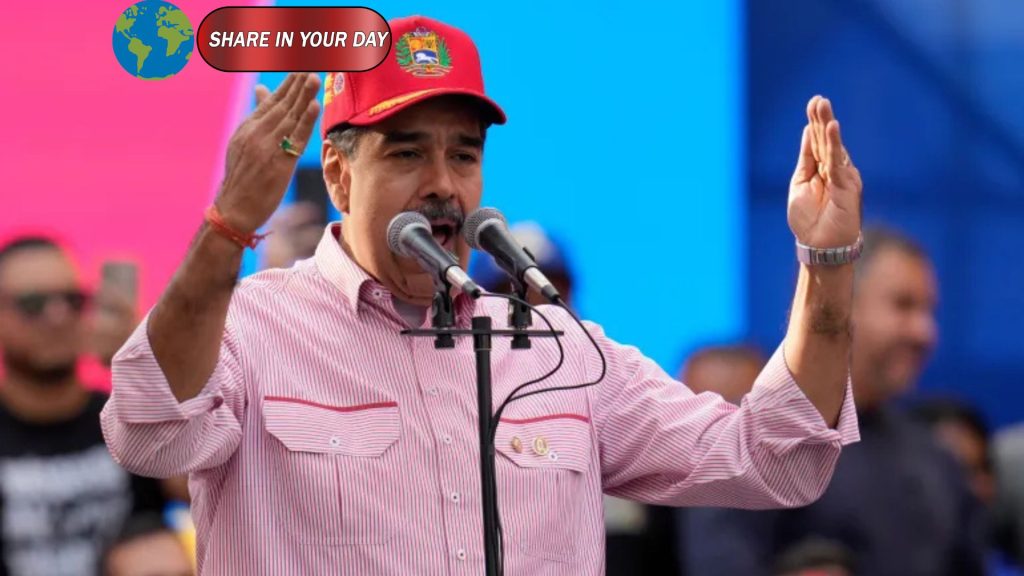
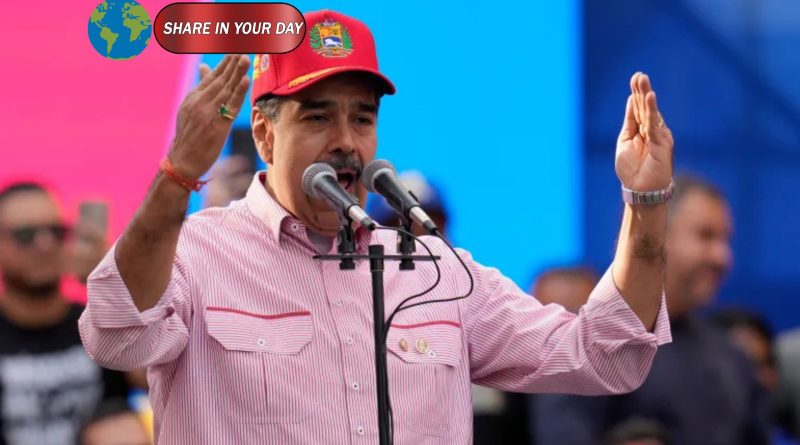
Venezuelan President Nicolás Maduro confirmed that he had a “cordial and respectful” phone conversation with US President Donald Trump about 10 days ago. Speaking on state television, Maduro said he chose to publicly acknowledge the call to avoid what he called “microphone diplomacy.”
He characterized the conversation as a potential step toward “respectful dialogue” between the two nations — a notable tone shift given months of severe hostility.
What We Know — And What’s Still Unclear
- According to media reports citing sources familiar with the call, Maduro apparently told Trump he would be willing to leave Venezuela — along with his family — if they were offered full legal amnesty, including removal of US sanctions and dismissal of a major case before the International Criminal Court (ICC).
- The US response remains vague. On Air Force One, Trump confirmed the call took place but gave no details — saying only, “I wouldn’t say it went well or badly, it was a phone call.”
- In Caracas, Maduro declined to elaborate further, invoking diplomatic caution. He emphasized that serious matters should be handled quietly until resolved.
A Rocky Backdrop: Why This Call Matters
The phone call comes amid one of the tensest standoffs between Washington and Caracas in years. In recent months:
- The US has deployed a large naval force to the Caribbean and carried out what it described as strikes against alleged drug-smuggling boats, a campaign that Caracas says is a pretext for regime change.
- The US administration formally designated a Venezuelan criminal organization — Cartel de los Soles — a foreign terrorist group. Venezuela has denounced this step as a threat to its sovereignty.
- In Caracas, Maduro recently rejected US pressure in a rally, saying Venezuela will accept “no slave’s peace, no peace of colonies.” He reaffirmed loyalty to Venezuelans and vowed to defend national dignity.
Against this volatile context, the phone call — even if symbolic — stands out as a rare moment of direct contact and potential de-escalation.
What This Could Mean — And What’s Next
The public acknowledgement of the call serves several purposes for Maduro: it signals a willingness to negotiate, projects diplomatic prudence, and opens the door — however tentatively — to dialogue. Meanwhile, the Trump administration remains non-committal.
Whether this phone call leads to tangible diplomatic progress, a reduction in pressure, or simply becomes a brief detente will depend on follow-up moves from both Caracas and Washington. For now, the call remains a fragile development in a deeply strained relationship