A Watershed Moment at the Supreme Court
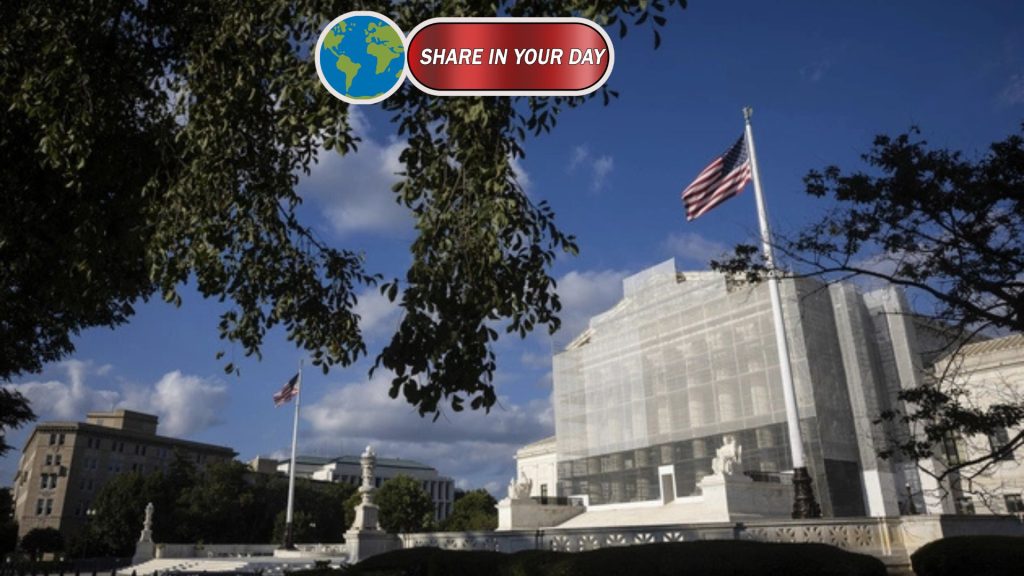
On December 8, 2025, the Supreme Court heard arguments in Trump v. Slaughter, a case at the heart of a major constitutional clash over executive power and agency independence. The case revolves around the removal of Rebecca Kelly Slaughter, a member of the Federal Trade Commission (FTC), whom former President Donald J. Trump dismissed in March 2025 without the “for-cause” justification required by the statutory protections for independent agencies.
For decades, the court’s 1935 decision in Humphrey’s Executor v. United States has prevented presidents from firing leaders of multimember independent agencies like the FTC except for cause. But during Monday’s oral arguments, the conservative majority on the Court signaled a willingness to abandon — or drastically weaken — that long-standing guardrail.
What Justices and Lawyers Are Arguing
For the Administration — More Presidential Authority
- The government, represented by D. John Sauer as Solicitor General, urged the Court to dismiss Humphrey’s Executor as a “decaying husk.” He argued that it is inconsistent with the Constitution’s grant of executive power under Article II — which vests broad removal authority in the president.
- Chief Justice John G. Roberts Jr. and other conservative justices indicated they view the original 1935 decision as rooted in a very different era — one in which agencies like the FTC lacked the kind of executive authority many of them now wield. As Roberts noted, the precedent applied to agencies “that do not wield substantial executive power.”
Dissenting Justices — Warning of a Dangerous Shift
- The court’s liberal bloc — including Sonia Sotomayor, Elena Kagan, and Ketanji Brown Jackson — cautioned that allowing unfettered removal powers would unsettle decades of bipartisan agency governance. They argued such a decision would concentrate “massive, unchecked power” in the presidency and undermine the independence of agencies meant to protect public interest from partisan swings.
- For Kagan, the stakes are not abstract: she warned the Court against ignoring the “real-world realities” of such a decision, with potentially enormous consequences for regulatory consistency and public trust in impartial governance.
Why the Outcome Matters — Broad Implications Ahead
- If the Court rules in favor of the administration, it could reshape the structure of the U.S. federal government, granting the president broader power to remove members of independent agencies — not just at the FTC, but across bodies such as the National Labor Relations Board (NLRB), Consumer Product Safety Commission (CPSC), and even potentially the Federal Energy Regulatory Commission (FERC) and others.
- Critics warn this would politicize agencies meant to operate on expertise, technical knowledge, and impartiality — eroding decades of bipartisan protection from political interference.
- Supporters of the shift contend it restores accountability: under the “unitary executive” theory, elected presidents deserve oversight over executive agencies rather than leaving them in the hands of unelected bureaucrats.
What Happens Now
The Supreme Court is expected to issue a ruling on Trump v. Slaughter by June or July 2026. Meanwhile, the Court’s decision will be closely watched — not just in legal circles, but across industries regulated by agencies, civil-society groups, and anyone concerned about the balance of power in Washington.
Whether the final decision upholds the independence of agencies or expands presidential control could define the federal regulatory framework — and the limits of executive power — for decades to come