Trump Administration Under Fire for Incomplete Epstein File Release
On December 22, survivors of Jeffrey Epstein’s abuses sharply criticized the U.S. Department of Justice for failing to release the complete set of court-mandated files by the legal deadline. Advocates described the documents made public as “a fraction of the files” with “extreme redactions,” raising concerns about transparency and accountability. Senate Democratic Leader Chuck Schumer announced plans for a resolution that could lead to legal action against the DOJ for its non-compliance. Critics, including voices from both parties, are calling for the full disclosure of records related to Epstein and his associates.
Additional reporting highlights disputes over specific image content that included former President Trump. Although the DOJ restored a previously removed photo featuring Trump, the episode intensified accusations of political influence over the release process, even as officials insisted victim advocacy related requests guided some redaction decisions.
Ambitious Naval Expansion: The “Trump-Class” Battleship Initiative
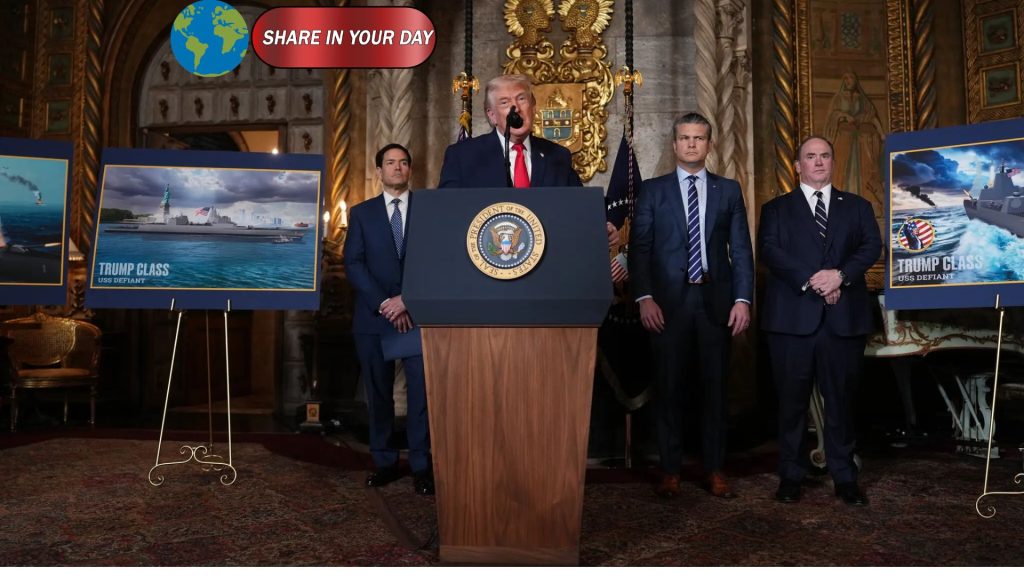
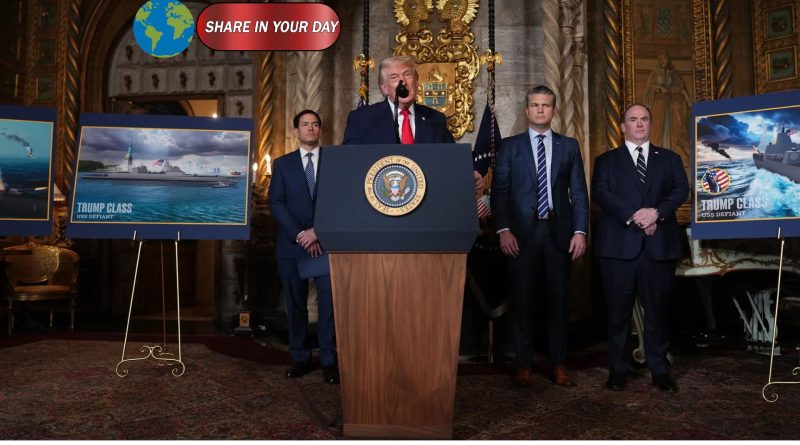
In a major defense announcement, President Trump revealed plans for a new class of U.S. naval warships dubbed “Trump-class” battleships. The administration’s vision is to expand naval capabilities with larger, more powerful surface combatants to bolster America’s maritime presence. Initial production will start with two vessels, potentially expanding to a fleet numbering in the dozens. These ships are being positioned as central to a broader “Golden Fleet” concept intended to modernize and amplify U.S. sea power.
Officials described advanced weapon systems, including hypersonic missiles and high-energy systems, while Trump framed the project as a strategic counterweight to rival global powers. Critics argue the initiative breaks with long-standing naval tradition and could shift federal spending priorities.
Geopolitical Friction Over Greenland and Immigration Policy
Trump’s ongoing emphasis on geopolitically strategic territories resurfaced following his appointment of Louisiana Governor Jeff Landry as special envoy to Greenland. The move sparked rebukes from Danish and Greenlandic leaders who reaffirmed that sovereignty must be respected. Trump has repeatedly asserted Greenland’s strategic importance to U.S. interests, furthering tensions between Washington and its NATO partners over Arctic policy.
Meanwhile, immigration enforcement actions continued to draw scrutiny. Federal detention levels have reached record highs, and legal debates over the status of individuals recently released from custody are intensifying, underscoring deep divisions over border policy and civil liberties.
Domestic and International Political Signals
Several political developments beyond the White House dominated the news cycle. Trump administration spokespeople touted a decline in U.S. gas prices to a four-year low just ahead of the holiday travel period, a message aimed at bolstering public perception of economic conditions.
In electoral politics, longtime Trump critic and lawyer George Conway filed paperwork to run for Congress in New York’s 12th District, joining a competitive Democratic primary field. His candidacy adds a high-profile, oppositional voice to this year’s political landscape.
Summary:
December 22, 2025 was marked by significant political developments for President Trump’s administration: backlash over incomplete Epstein file disclosures, a high-profile naval expansion plan, geopolitical friction involving Greenland, record immigration detentions, and broader political moves reflecting the divide in U.S. politics