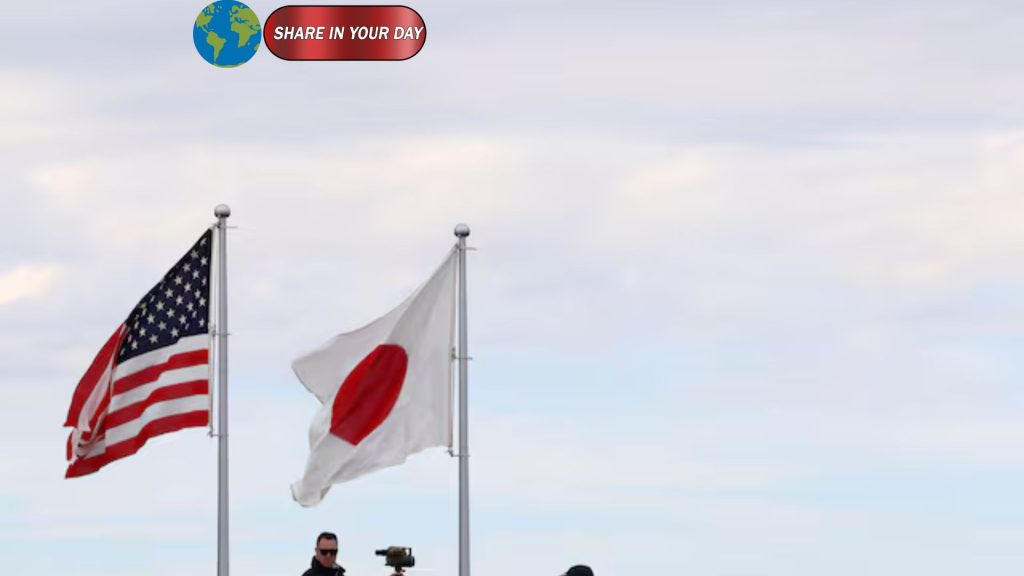
US Voices Strong Support for Japan After Radar Incident
The United States Department of State has issued a sharp rebuke of China’s decision to direct military radar at Japanese aircraft during a recent air exercise near Okinawa Islands. The radar‑aiming episodes — deemed the most serious between Japanese and Chinese forces in recent memory — triggered alarm in Tokyo and prompted Washington to publicly side with its ally.
In a statement released Dec. 9, the State Department declared that China’s actions “are not conducive to regional peace and stability.” It reaffirmed that the U.S.-Japan Alliance is “stronger and more united than ever,” pledging unwavering support for Japan and underscoring close coordination between the two nations on this and other security issues.
Japan’s government welcomed the support.
The Incident and Divergent Narratives
According to Tokyo’s account, on the weekend the radar‑aiming incidents occurred when Chinese fighter jets — reportedly operating from the Liaoning aircraft carrier — activated radar on Japanese military jets. Japanese officials described the actions as “dangerous” and a serious breach of safe conduct.
Beijing, however, defended the manoeuvres as part of routine training, insisting they were lawful and safe. A spokesman urged the international community to “not be hoodwinked” by Tokyo’s narrative, contending that Japanese aircraft had interfered with Chinese naval operations.
Broader Tensions: Strategic Backdrop
The radar incident comes amid rising friction between Tokyo and Beijing — especially after comments by Japanese Prime Minister Sanae Takaichi suggesting Japan might respond militarily if China attacked Taiwan. That earlier statement triggered sharp criticism from Beijing.
In response to the recent incident, Japan scrambled jets to monitor joint Chinese‑Russian air patrols, and its coast guard reported tracking Chinese vessels near the contested Senkaku Islands (known as Diaoyu in China). These developments reflect the broader strategic competition and heightened risk in the region.
What This Means for Regional Security
The U.S. condemnation marks a significant escalation: it is the first time under the current administration that Washington has formally criticized China for such a military action against Japan. The shift underlines growing concern in Washington over regional stability and signals stronger readiness to back allies in East Asia.
For Tokyo, the backing from Washington offers diplomatic reinforcement and lends weight to Japan’s calls for stronger deterrence. However, with China portraying its actions as legitimate drills, the risk of further military encounters — and escalating mistrust — remains high. Analysts warn that such incidents could trigger additional security responses, airspace confrontations, or even naval standoffs if not carefully managed.
Outlook: What to Watch Next
- Will Japan and the U.S. coordinate more frequent joint patrols or surveillance flights to monitor Chinese activity?
- How will China respond to growing international criticism — will it scale back or double down on assertive air and naval operations?
- Could this incident harden Japanese and U.S. policy on Taiwan and regional security, potentially affecting Japan’s defense posture and regional deterrence efforts