U.S. Health Care Is Broken — And It’s Getting Worse for Patients and Investors
The U.S. health care system is unraveling — in increasingly visible ways — as costs soar for ordinary people, and even giant health-care conglomerates once considered “safe” investments now face financial pain.
A system under pressure
For years, millions of Americans have struggled with massive medical bills, rising premiums and unpredictable out-of-pocket costs. In 2025, these problems are deepening. Insurance plans under both employer-sponsored coverage and subsidized marketplaces are expected to become even more expensive next year — in a country where health care already costs more than in most other wealthy nations.
Meanwhile, the companies and shareholders that profit from those health plans are themselves under increasing stress.
Once-reliable insurers now scrambling
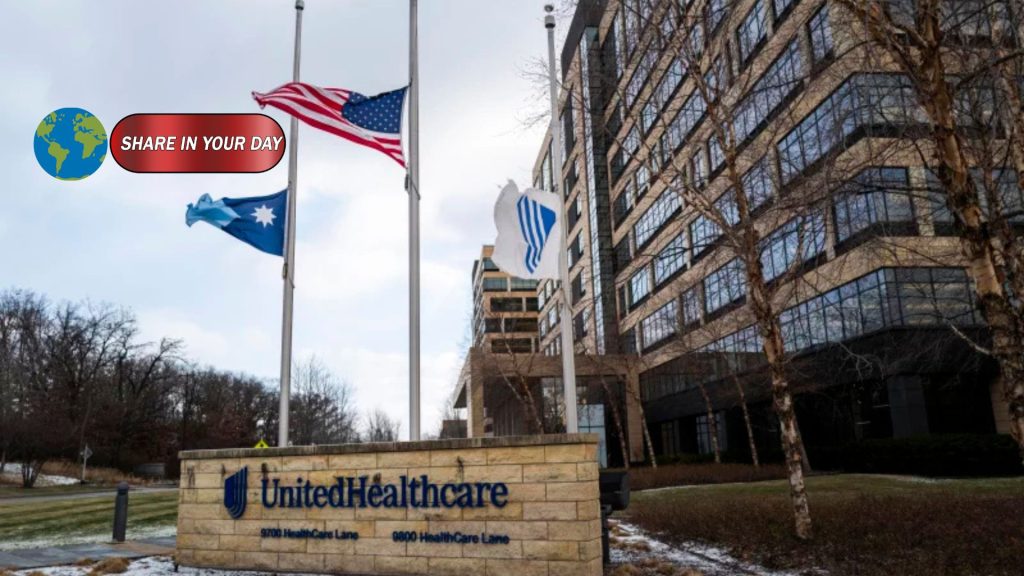
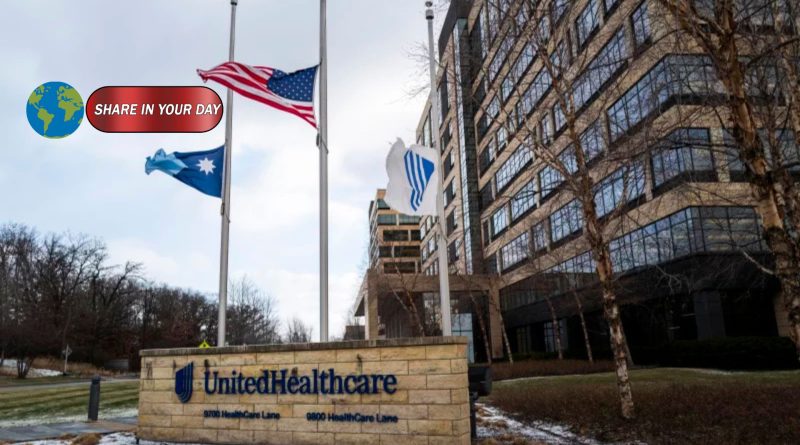
UnitedHealth Group — the world’s largest health-insurance company and a major player in care delivery — has become emblematic of the unraveling. Once viewed as a safe haven for investors, its shares have plunged more than 40% over the past year.
That collapse reflects growing financial and structural problems. In its 2025 first quarter, UnitedHealth reported a sharp increase in care usage among seniors enrolled in its Medicare-Advantage plans — much higher than expected. That pushed costs up and forced the company to revise its full-year earnings forecast downward.
When private insurers handle government-backed care
The trouble centers largely on Medicare Advantage — private plans that administer government-paid care for seniors and disabled Americans. Once among the most profitable lines for big insurers, these plans have recently become financial traps; care demand has surged, costs are rising, and the reimbursement model is straining insurers.
As a result, even a company as mighty as UnitedHealth is being forced to retrench: reducing enrollment, restructuring its business and walking back promises of stable growth.
What this means for patients and investors
For everyday Americans — especially older adults, people with chronic illness or those relying on employer-based coverage — the story is bleak. As insurers scale back plans, raise premiums, or limit coverage to manage their own financial risks, patients are likely to face higher out-of-pocket costs, more denied claims, and shrinking coverage options. Reports of people being overwhelmed by dense policy language, denied care, or left with large bills are becoming more common.
For investors, the collapse of confidence in so-called “defensive” health-care stocks like UnitedHealth shows just how fragile the health-insurance business has become — even when backed by government programs. The once-reliable returns are now uncertain, and analysts warn that the coming years may bring more volatility.
The deeper problem: a broken system
The troubles at UnitedHealth are more than a single company’s misfortune — they reflect deeper flaws in the U.S. health-care system. Compared to other developed nations, the U.S. spends far more on health care — yet delivers inconsistent quality and poor affordability.
Experts and critics say that the current model — dominated by private insurers, entangled with for-profit providers, drug companies, and complex billing — simply lacks the transparency, cost-control and social safety net that many other countries provide.
The problems facing U.S. health care — rising costs, unpredictable coverage, declining insurer stability — are no longer abstract. They affect millions of patients, millions of dollars in household budgets, and even the world’s largest insurers. What once was a multi-trillion–dollar “safe” industry now looks unstable