Who Will Own TikTok in the US and Why It Matters for Democracy
The future of TikTok in the United States hangs in a delicate balance between national security concerns, geopolitical tension, and the democratic values tied to free expression.
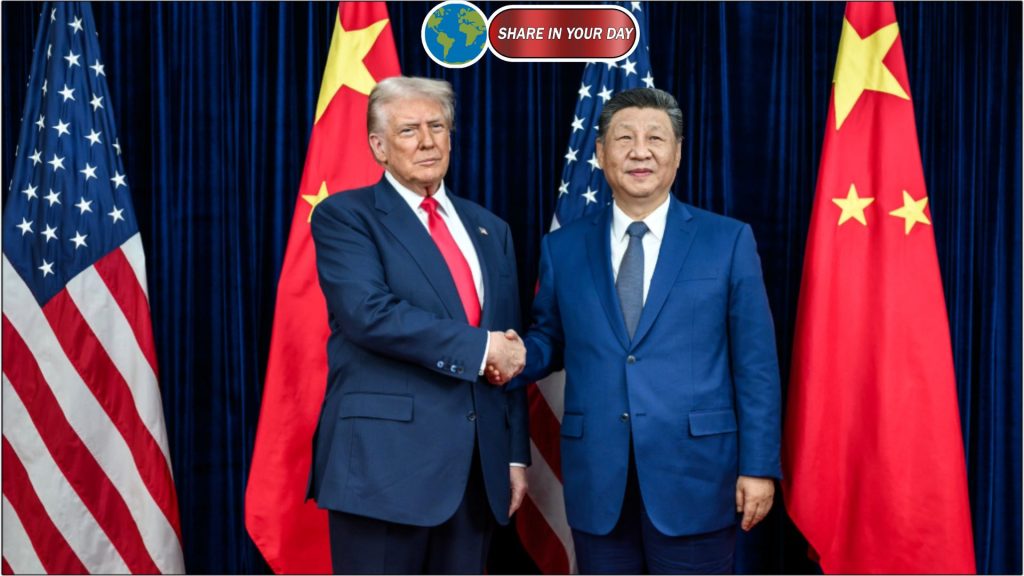
A U.S. law passed in 2024 forces TikTok’s Chinese parent company, ByteDance, to divest control of the platform’s American operations or face a nationwide ban. While the deadline has been delayed repeatedly by the U.S. administration to allow negotiations, a prospective sale has taken shape in public reporting.
At the center of this transition is a growing consortium of American investors expected to assume majority ownership of TikTok’s U.S. business. Tech giant Oracle, private equity firm Silver Lake, and other strategic partners — including an Emirati tech fund — have emerged as likely buyers. ByteDance may retain a minority stake, but U.S. entities will control the new entity.
National Security Meets Global Tech Competition
U.S. policymakers from both parties have framed the push for divestiture as a matter of national security. They argue that ByteDance’s Chinese ties — and the potential under Chinese law for authorities to compel data access — pose risks to Americans’ personal information and the integrity of the digital ecosystem.
Earlier proposals to address these concerns included options such as “Project Texas,” where TikTok offered data safeguards and government oversight of U.S. user data. Those offers were ultimately rejected in favor of a complete structural separation.
The negotiations now underway envision U.S. leadership not only in ownership but also in algorithmic governance. Officials say a majority of board seats in the new U.S. entity will go to Americans, and portions of the recommendation engine could be controlled domestically — a key demand linked to limiting undue influence.
What This Means for Democratic Discourse
TikTok is more than a social media platform; it is a major source of news, entertainment, and influence, especially among younger Americans. Its algorithm shapes what hundreds of millions of users see — from viral dance trends to political messaging. This central role in public discourse has raised questions about how ownership and governance could affect democratic engagement and information flows
Critics warn that simply shifting ownership to U.S. hands will not solve deeper challenges in the digital information environment. Even domestically controlled platforms can be exploited for targeted influence campaigns or polarized messaging that distorts public debate.
Commercial and Strategic Implications
A U.S.-led TikTok could alleviate some security concerns while keeping a hugely popular service active in the American market. It also aligns with broader U.S. efforts to maintain competitiveness in global tech and ensure sovereignty over digital infrastructure and data flows.
Yet, the final shape of the deal — including ByteDance’s remaining role and long-term governance structure — remains unclear. Legal, regulatory, and international considerations with China still loom large.
Looking Ahead
Who owns TikTok in the U.S. will be more than a corporate transaction. It sits at the intersection of geopolitics, privacy, technology policy, and the future of democratic communication. The outcome will influence how Americans connect, create, and understand the world — and how governments and markets balance security with expression