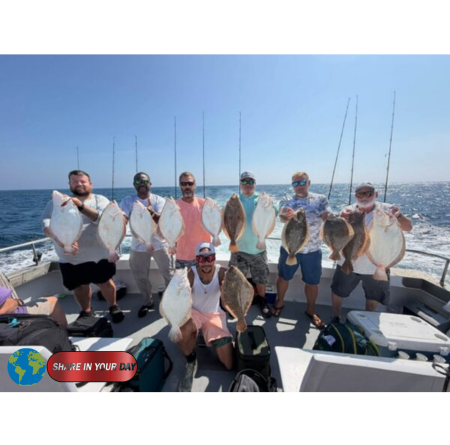
Ocean Flounder Bite Explodes: 5 Hot Fall Tips
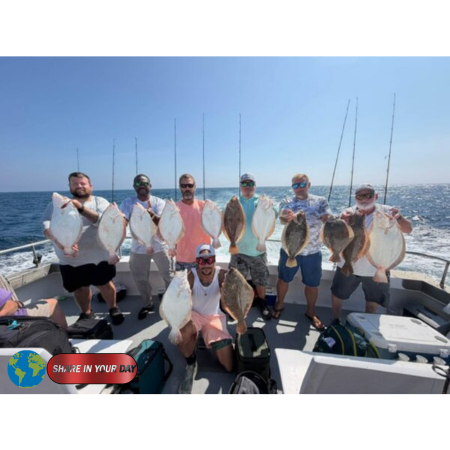
The ocean flounder bite is giving anglers plenty of reasons to get on the water around Ocean City, Maryland, as September moves toward its final stretch. A new fishing report from September 18 describes productive trips involving flounder, sea bass, mahi and sheepshead, with several charter crews reporting keeper flounder around the boat.
The latest action is particularly encouraging because fall is approaching, and experienced Ocean City captain Monty Hawkins says the flounder bite could become even better over the next several weeks. His report also highlights a familiar late-season pattern: anglers may have to work through plenty of smaller fish before finding legal keepers.
For fishermen watching the Ocean City fishing scene, that combination is significant. Flounder are active, sea bass remain part of the offshore mix and changing fall conditions could create additional opportunities.
Ocean Flounder Are Providing Strong Action
According to the latest report, Captain Chris Mizurak of the Angler found a productive day with sea bass, mahi and numerous keeper flounder. Captain Dave Caffrey of On the Run Charters also reported a strong day, including a boat limit of flounder during the morning trip and sheepshead reaching 22 inches later in the day.
Other Ocean City crews reported similar results.
Anglers fishing with Captain Jason Mumford of Lucky Break Charters have recently been catching flounder, sheepshead, croaker and Spanish mackerel. Captain Tony Battista of Saltwater Adventures also reported flounder mixed with sea bass and mahi.
That variety is one of the biggest attractions of late-summer and early-fall fishing around Ocean City. A trip targeting one species can quickly turn into a mixed bag when conditions change.
The latest report suggests flounder are currently one of the more reliable options.
Why the Fall Flounder Bite Could Get Better
Fall often brings a noticeable shift in coastal fishing patterns.
Water temperatures begin changing, baitfish movements become more pronounced and many predatory species become increasingly active as they prepare for seasonal movements. For anglers, that can translate into periods of intense feeding activity.
Captain Hawkins specifically suggested that the fall bite is normally strongest for numbers and indicated that there could be several productive weeks ahead.
That does not mean every trip will produce a limit. Ocean fishing is highly dependent on wind, current, water temperature, bait and location. However, the current reports indicate that anglers have a solid reason to keep targeting flounder.
The timing is also important because Maryland’s 2026 summer flounder regulations allow recreational anglers to keep up to four fish per person per day in state waters, with a 17½-inch minimum size from June 1 through December 31.
Federal waters have different rules. For 2026, the federal-water season runs through September 30, with an 18½-inch minimum size and a three-fish recreational limit.
Anglers should always confirm the rules for the exact location where they are fishing before keeping fish.
Smaller Flounder Are Everywhere
One of the more interesting details in the latest report is the number of smaller flounder being caught.
Captain Hawkins described the first drops of his trip as producing a mixture of keeper sea bass and throwback flounder. He noted that there were many small fluke, which can be frustrating for anglers trying to fill a cooler but may be encouraging from a future-fishing perspective.
The same report described several situations where anglers hooked flounder that were just under the legal size.
That is a familiar challenge when targeting summer flounder. A productive area can hold many fish, but only some will be large enough to keep.
For anglers, the lesson is simple: measure every fish carefully and know the applicable size limit before placing a fish in the cooler.
Maryland’s Department of Natural Resources stresses that anglers are responsible for following current size, season and catch restrictions.
5 Tips for Targeting Ocean Flounder
1. Fish the Bottom
Flounder are bottom-oriented predators, so keeping your bait or lure close to the seafloor is essential.
That can mean drifting bait rigs across productive structure or working artificial lures close to the bottom. Current, depth and boat speed all influence how effectively an angler can maintain contact with the bottom.
If the rig is constantly riding too high, it can reduce the chances of finding feeding flounder.
2. Pay Attention to Current
The latest Ocean City report provides a useful reminder about how quickly conditions can change.
During Captain Hawkins’ trip, the wind shifted from southwest to northwest, north and then northeast. The sea bass action became inconsistent, while the flounder remained active.
Current changes can reposition bait and predators. Therefore, anglers should not assume that a spot will fish exactly the same way throughout an entire trip.
Watching the drift and adjusting the presentation can make a major difference.
3. Be Ready for Throwbacks
A strong flounder bite does not necessarily mean every fish will be a keeper.
The latest report featured numerous smaller fish mixed with legal-sized flounder. That means anglers should be prepared to release undersized fish quickly and carefully.
A good measuring device should be part of every trip. It removes uncertainty and helps anglers avoid accidentally keeping an undersized fish.
4. Watch Structure
Artificial reefs, wrecks and other bottom structure can attract a wide range of species.
Ocean City anglers often encounter flounder alongside sea bass and other bottom-feeding fish. The latest report once again showed how productive structure can be when conditions line up.
Structure does not guarantee fish, but it gives anglers a logical starting point.
Maryland’s fishing resources also highlight the importance of the state’s coastal waters as a recreational fishing destination, with opportunities ranging from inshore fishing to offshore species.
5. Keep an Eye on the Calendar
Late September can be an important transition period.
The current federal summer flounder season is scheduled to close in federal waters after September 30, 2026, while Maryland state waters remain open through the end of the year under the applicable rules.
That distinction matters for Ocean City anglers because fishing location determines which regulations apply.
Before heading offshore, fishermen should check whether they will remain inside state waters or travel beyond the three-nautical-mile boundary into federal waters.
Sea Bass Are Still Part of the Action
Although flounder are the headline species in the latest report, sea bass continue to provide another reason to fish Ocean City reefs.
Captain Hawkins reported keeper sea bass during his trip, although the bite became inconsistent even when fish were visible on the sounder.
That is another reminder that seeing fish on electronics does not necessarily mean they will feed.
The Maryland Department of Natural Resources currently lists the 2026 recreational black sea bass season as open from May 1 through December 31, with a 15-fish daily limit and a 12½-inch minimum size.
The combination of flounder and sea bass can make for a productive mixed-species trip, especially around offshore structure.
Ocean City’s Fall Fishing Season Is Taking Shape
The latest report arrives during a period when Ocean City’s offshore fishing calendar is beginning to shift toward fall patterns.
The warm September weather has not stopped the fishing action. In fact, the September 18 report described light winds and no precipitation, creating favorable conditions for getting offshore.
Weather remains one of the most important variables.
A calm forecast can make a major difference for smaller boats and charter operations. Meanwhile, wind direction can change drift speed and alter how anglers fish a particular area.
As September continues, those conditions could become increasingly important.
What Anglers Can Expect Next
The current ocean flounder action suggests that anglers still have plenty of opportunities before the season changes again.
The combination of keeper fish, numerous smaller flounder and continued sea bass activity gives fishermen several targets. The presence of smaller flounder may also provide optimism for future seasons, although catch numbers alone cannot determine the long-term health of a fishery.
For now, the immediate outlook is encouraging.
Captain Hawkins noted that the fall bite is usually the strongest period for numbers and suggested that another few weeks could bring better action.
That makes the remainder of September an attractive time for anglers considering an Ocean City trip.
However, fishermen should not confuse a strong report with a guarantee. Ocean conditions can change quickly, and fishing success depends on weather, current, location, tackle and timing.
Check Maryland’s Regulations Before Keeping Fish
Regulations are particularly important during the fall transition because the rules can differ between state and federal waters.
For 2026, Maryland state waters have a 17½-inch recreational minimum size for summer flounder from June 1 through December 31, with a four-fish daily limit. Federal waters have an 18½-inch minimum and a three-fish daily limit during the federal season, which ends September 30.
Maryland defines federal waters as the Atlantic Ocean beginning three nautical miles from shore and extending offshore.
Anglers should therefore know where they are fishing and which rules apply before deciding whether a flounder can be kept.
For the latest official information, anglers can check the Maryland Department of Natural Resources fishing regulations before leaving the dock.
Bottom Line
The Ocean City fishing scene is delivering plenty of encouragement as September enters its final stretch.
Multiple charter crews are reporting keeper flounder, while sea bass and several other species are adding variety to offshore trips. The latest report also suggests that anglers could see an even stronger flounder bite as the fall season develops.
For fishermen planning a trip, the strategy is straightforward: stay close to the bottom, monitor current and drift, concentrate on productive structure and be prepared to sort through smaller fish.
Most importantly, check the latest Maryland and federal regulations before keeping a catch.
With fall approaching and the flounder already snapping, Ocean City anglers have plenty of reasons to keep their rods ready.