Cychlorphine in Austin Raises New Overdose Concerns
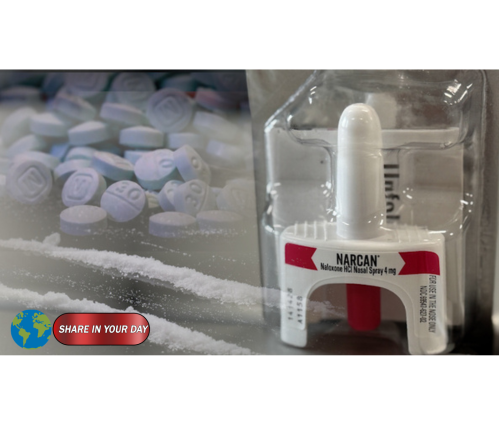
The possibility of cychlorphine in Austin is drawing increased attention after Austin-Travis County Emergency Medical Services reported a rise in opioid overdose calls and an unusual need for larger amounts of Narcan to reverse some patients’ symptoms.
The emerging synthetic opioid has become a growing concern among health officials nationwide. Federal officials have warned that cychlorphine can be significantly more potent than fentanyl and that overdoses involving the substance may require multiple doses of naloxone, the medication commonly sold under the brand name Narcan.
Austin EMS has not publicly confirmed that cychlorphine was responsible for individual overdose cases in the city. Instead, the agency says the pattern it is seeing is concerning enough to raise the possibility that the drug could be present in the local illicit drug supply.
That distinction is important. A person requiring multiple doses of Narcan does not automatically prove that cychlorphine was involved. Other powerful synthetic opioids, combinations of substances or unusually large opioid exposures can also make an overdose difficult to reverse.
Still, the warning comes as cychlorphine continues to appear in drug supplies across the United States.
Why Cychlorphine in Austin Is Drawing Attention
Cychlorphine is a relatively new synthetic opioid that belongs to the orphine family of opioids. Unlike fentanyl, it is not simply another fentanyl derivative.
The United Nations Office on Drugs and Crime describes cychlorphine, also known as N-propionitrile chlorphine, as a piperidine benzimidazolone opioid. Research cited by the agency indicates that it acts on the body’s mu-opioid receptors and can produce severe respiratory and cardiovascular depression at very low doses.
Federal officials have also identified it as an emerging drug threat.
An April 2026 Office of National Drug Control Policy notice said cychlorphine had been identified in illicit drug supplies in states covering all four U.S. Census regions. The notice said reports were particularly concentrated in Ohio, Texas and Tennessee.
The same notice warned that cychlorphine can be up to 10 times more potent than fentanyl and that an overdose may require multiple doses of naloxone.
That combination of potency and detection challenges is what has health officials particularly concerned.
Austin EMS Reports More Opioid Overdose Calls
Austin-Travis County EMS has reported a noticeable increase in opioid-related emergency calls.
According to recent reporting from local television stations, ATCEMS recorded 98 opioid overdose calls during a recent 30-day period, compared with 73 during the corresponding period in September 2025. Nine patients reportedly needed more than two doses of Narcan to reverse their overdoses.
ATCEMS Commander Randy Chhabra said the agency has noticed not only more overdose responses but also a greater need for naloxone in some cases.
That pattern does not establish that cychlorphine is circulating in Austin. However, it is one of the warning signs that can prompt EMS officials to consider whether unusually potent synthetic opioids are entering the local drug supply.
Austin EMS is also dealing with a broader increase in suspected overdoses.
Earlier in September, Austin police and EMS distributed hundreds of Narcan rescue kits to bars in the downtown entertainment district following five suspected overdoses around East Sixth Street. Officials said the initiative was intended to make sure businesses had access to naloxone and knew how to use it during an emergency.
What Makes Cychlorphine Different?
One of the biggest challenges surrounding cychlorphine is that people may not know they are taking it.
The substance can be mixed into illicit drugs, including fentanyl and other substances. Federal guidance says it has also been identified alongside drugs such as methamphetamine, bromazolam and cocaine.
This creates a particularly dangerous situation because someone buying or using a street drug may have no way of knowing that cychlorphine is present.
The drug is also difficult to identify using some conventional testing methods.
Federal guidance says cychlorphine is not detected by standard drug test strips or routine hospital opioid urine screens.
That means an overdose can potentially occur without emergency responders immediately knowing which specific synthetic opioid caused it.
For doctors, toxicologists and EMS personnel, identifying the substance can therefore become a significant challenge.
Why Multiple Narcan Doses Matter
Naloxone is an opioid antagonist that can temporarily reverse the effects of an opioid overdose, particularly the respiratory depression that can cause death.
Austin Public Health says opioid overdoses can cause a person to stop breathing and recommends calling 911 immediately when someone is showing signs of an overdose. Those signs can include being unable to wake up, slow or stopped breathing, blue or purple lips or fingernails, vomiting, gurgling sounds and a limp body.
Multiple doses of naloxone may be necessary in some overdoses.
The federal cychlorphine warning specifically advises emergency personnel to be prepared to treat opioid overdoses with additional doses of naloxone.
However, the term “Narcan-resistant” can be misleading.
Cychlorphine is not necessarily immune to naloxone. Rather, an overdose may require repeated doses because of the substance’s potency and the amount involved.
The goal is to restore adequate breathing and keep the person alive until emergency medical care is available.
Cychlorphine Has Been Linked to Dozens of Deaths
The concern in Austin is part of a much larger national trend.
The Office of National Drug Control Policy identified cychlorphine as a synthetic opioid involved in at least 55 deaths between 2025 and 2026 when it issued its national drug threat notice in April.
Reports have been particularly concentrated in Tennessee.
A federal alert said at least 41 overdose deaths in Tennessee had been linked to cychlorphine between July 2025 and February 2026. The substance had also been detected in 10 states across all four major U.S. Census regions.
Those numbers have continued to fuel concerns that the drug could spread to additional communities.
Texas is particularly significant because the federal government has already identified the state as one of the areas with the greatest prevalence of cychlorphine reports.
That does not mean every unusual overdose in Texas is caused by cychlorphine. It does mean public-health officials have reason to monitor the state’s illicit drug supply closely.
Is Cychlorphine Confirmed in Austin?
At this point, the answer requires caution.
Reports from Austin EMS indicate that the pattern of overdoses is concerning, particularly because some patients have required unusually large amounts of Narcan. But that evidence alone does not establish that cychlorphine has been laboratory-confirmed in Austin.
This is an important distinction for the public.
An increase in opioid overdoses can have several explanations. Drugs may contain higher concentrations of fentanyl, multiple opioids may be combined, or other synthetic substances may be involved.
Without toxicological confirmation, it would be premature to state that cychlorphine is definitively responsible for Austin’s recent overdoses.
The warning is better understood as a signal for heightened awareness.
Federal officials have already documented cychlorphine in Texas, while Austin EMS has independently observed an overdose pattern that warrants attention.
What People Should Know About Overdose Safety
The most important message for the public is that suspected opioid overdoses should be treated as medical emergencies.
Austin Public Health recommends calling 911 immediately when someone appears to be experiencing an opioid overdose. Naloxone should be administered when available, and the person still needs emergency medical attention even after responding to the medication.
People should not wait to determine which specific drug caused the overdose.
A person who is unconscious or having difficulty breathing needs immediate assistance.
Signs can include:
- Inability to wake up
- Slow, shallow or stopped breathing
- Blue or purple lips or fingernails
- Gurgling or choking sounds
- Limpness
- Extreme sleepiness or unresponsiveness
Naloxone can be lifesaving when an opioid is involved.
Austin Public Health and Austin-Travis County EMS also provide community resources and training designed to help people recognize overdoses and administer naloxone.
Why Austin’s College Community Is Watching Closely
The latest cychlorphine warnings have attracted particular attention around college communities.
Warnings circulated through University of Texas-related social media accounts after several high-profile overdose incidents elsewhere in the country. Local reporting has highlighted concerns that students and young adults could unknowingly encounter the drug if it is mixed into counterfeit pills or other illicit substances.
The central risk is not simply intentional use of a powerful opioid.
Cychlorphine can be dangerous because people may believe they are taking something else.
Counterfeit pills and illicit drugs can contain unexpected compounds. Users may not know what is in a pill, powder or other substance obtained outside regulated pharmaceutical channels.
That uncertainty is one reason public-health officials continue to emphasize overdose preparedness.
A Broader Warning About the Changing Drug Supply
The emergence of cychlorphine illustrates how quickly the illicit drug supply can change.
Fentanyl transformed the overdose crisis because of its extreme potency and widespread presence in illicit drugs. Now, novel synthetic opioids such as cychlorphine are adding another layer of uncertainty.
The Centers for Disease Control and Prevention says opioids remain a major driver of the U.S. overdose crisis, with nearly 80,000 of roughly 105,000 overdose deaths in 2023 involving opioids.
Cychlorphine represents a newer challenge because it can evade some routine testing methods and may require additional naloxone during an overdose.
For EMS agencies, that means recognizing changing overdose patterns is increasingly important.
For the public, it reinforces the importance of having naloxone available and knowing how to respond.
What Happens Next in Austin
For Austin and Travis County, the key question is whether toxicology testing eventually confirms cychlorphine in local overdose cases.
EMS observations can identify a concerning pattern, but laboratory testing is necessary to establish the specific substance involved.
Meanwhile, Austin’s emergency responders continue to prepare for opioid overdoses regardless of which synthetic opioid may be responsible.
The recent distribution of Narcan kits to downtown bars demonstrates how local officials are responding to the broader overdose threat.
The city’s public-health infrastructure also maintains overdose surveillance and naloxone distribution resources, giving officials additional tools for monitoring trends over time.
For now, the message from public-health officials is straightforward: an overdose should be treated immediately, and naloxone should be used when an opioid overdose is suspected.
The Bottom Line on Cychlorphine in Austin
The question of cychlorphine in Austin remains unresolved, but recent EMS data has raised enough concern to warrant attention.
Austin-Travis County EMS has reported more opioid overdose calls and cases requiring larger amounts of Narcan. At the same time, federal officials have identified cychlorphine in Texas and warned that the synthetic opioid can be significantly more potent than fentanyl.
Those facts do not prove that cychlorphine caused Austin’s recent overdoses.
They do, however, show why emergency responders and public-health officials are watching the situation closely.
As the illicit drug supply continues to evolve, recognizing overdose symptoms and responding quickly may be more important than ever. Anyone witnessing a suspected overdose should call 911 and administer naloxone if it is available.
External Sources: Austin Public Health, Austin-Travis County EMS, Office of National Drug Control Policy, United Nations Office on Drugs and Crime and CDC.
Image ALT Text:
Cychlorphine in Austin raises concerns over opioid overdoses and Narcan use