
Trump Rejects Iran UN Proposal as Hormuz Deal Hits Deadlock
President Donald Trump has rejected Iran’s latest proposal aimed at reopening the Strait of Hormuz and creating a path toward an end to the wider conflict in the Middle East, according to reports published Saturday. The development came after days of indirect diplomatic contacts involving the United States, Iran and regional mediators at the United Nations in New York.
Iran had presented the proposal during the UN General Assembly, offering a seven-day framework that could lead to the reopening of the strategically important waterway and a pause in fighting across the region. Iranian officials said the proposal had been communicated to Washington through Qatari mediators.
The initiative represented one of the latest efforts to break a prolonged diplomatic stalemate. However, the reported rejection by Trump leaves major questions over whether negotiations can produce a broader ceasefire or whether military operations will intensify.
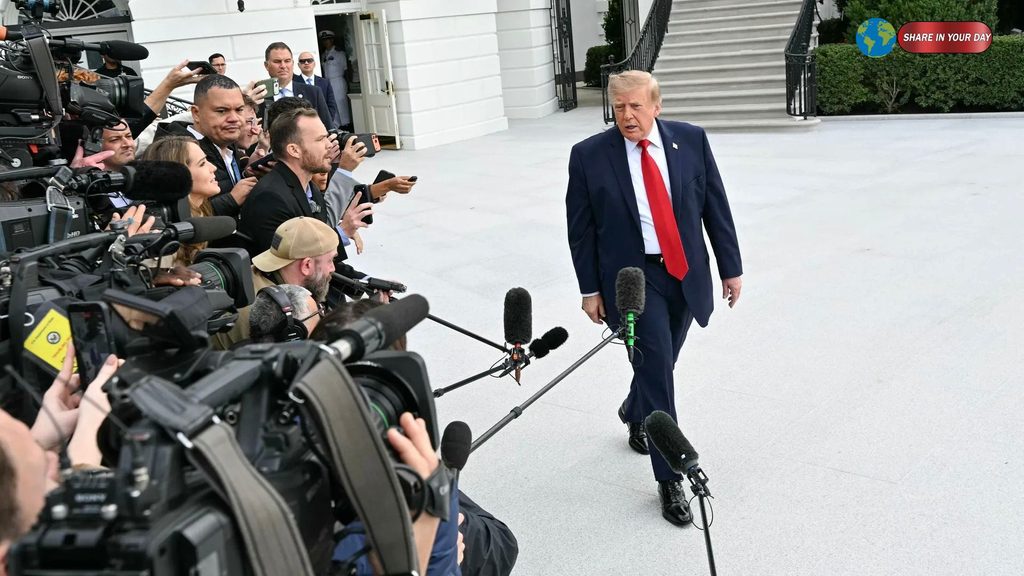
Axios reported that Trump said he had rejected the latest Iranian proposal. The Wall Street Journal separately reported that the president was skeptical Tehran would satisfy U.S. demands and had told officials that renewed bombing could become necessary. Reuters noted that it could not immediately independently confirm the Journal’s report.
Iran’s Seven-Day Proposal
Iranian Foreign Minister Abbas Araghchi outlined the proposal while in New York for the UN gathering. Under the plan, Tehran said the Strait of Hormuz could be reopened within seven days if Washington met several conditions.
Those conditions included an end to the U.S. naval blockade of Iranian ports, relief from oil sanctions and a ceasefire covering the wider regional conflict, including fighting involving Lebanon. Iran also sought the release of frozen Iranian assets.
In exchange, Tehran proposed reopening the Strait of Hormuz and moving toward broader negotiations, potentially including discussions over its nuclear program.
Araghchi said Iran was prepared to move quickly if Washington demonstrated that it was serious about reaching an agreement. Iranian officials have emphasized that the proposal was intended to establish a process rather than immediately settle every disputed issue between the two governments.
The Strait of Hormuz is central to the dispute because of its importance to global energy markets. Before the conflict, roughly one-fifth of the world’s traded oil and gas passed through the waterway, making disruptions there capable of affecting energy prices far beyond the Middle East.
Nuclear Dispute Remains a Major Obstacle
Even if an agreement over the Strait of Hormuz could be reached, the nuclear issue remains one of the most difficult points between Washington and Tehran.
Trump has repeatedly said Iran must not obtain a nuclear weapon. Iranian officials, meanwhile, have indicated that they are not prepared to surrender what they describe as their sovereign rights involving uranium enrichment.
A senior Iranian official told Reuters that Tehran would not make concessions over its nuclear program even if Washington accepted the latest peace proposal. The official specifically said Iran would not agree to restrictions involving uranium enrichment or the removal of highly enriched uranium from the country.
That position illustrates the gap separating the two sides. Washington has made Iran’s nuclear capabilities a central element of its demands, while Tehran has resisted conditions that it views as limiting its sovereignty.
Diplomatic Efforts at the United Nations
The latest proposal emerged during an unusually active period of diplomacy surrounding the UN General Assembly.
American and Iranian representatives communicated indirectly through mediators, with U.S. envoy Steve Witkoff and Jared Kushner involved on the American side and Araghchi representing Iran. Reuters described the UN gathering as a venue for the first shuttle discussions between American and Iranian officials since the collapse of an earlier ceasefire.
The diplomatic activity occurred alongside sharply different public messages from the two governments.
Trump used his UN speech earlier in the week to warn that Iran could face devastating consequences if an agreement was not reached. He also said the United States had prevented Iran from obtaining a nuclear weapon and called for international pressure on Tehran.
Iranian officials, meanwhile, have rejected what they characterize as pressure and coercion, insisting that any agreement must recognize Iran’s stated rights and security concerns.
What Happens to the Strait of Hormuz?
The future of the Strait of Hormuz remains closely connected to the broader conflict.
The waterway has become a major source of leverage for Tehran and a significant concern for the United States and other countries dependent on stable energy supplies. Disruptions have contributed to higher energy prices and increased economic pressure internationally.
The Trump administration has also explored longer-term measures to reduce dependence on the strait. The United States has discussed a proposed investment initiative with Arab allies that would support alternative energy infrastructure and transportation routes designed to reduce the impact of any future disruption.
For Iran, however, reopening the strait could provide an opportunity to secure economic relief while creating a pathway toward negotiations.
For Washington, the central question is whether Tehran’s proposal provides enough guarantees to address American security concerns.
A Difficult Path Forward
The rejection of the proposal does not necessarily mean diplomatic contacts have ended. U.S. officials previously described indirect discussions with Iran as positive and constructive, even as significant disagreements remained.
Iran has also continued to signal that it is prepared to negotiate under conditions it considers acceptable. The two sides therefore remain separated by fundamental disagreements over sanctions, military operations, the Strait of Hormuz and Iran’s nuclear activities.
The immediate future will depend on whether mediators can narrow those differences and whether Washington and Tehran decide that another round of negotiations is worthwhile.
For now, the reported rejection of Iran’s UN proposal has added another complication to an already unstable conflict. The seven-day framework offered by Tehran had presented one possible route toward reopening the Strait of Hormuz and restarting broader talks. Trump’s rejection, however, leaves the diplomatic process facing another major test as the United States and Iran continue to disagree over the conditions for ending the war.