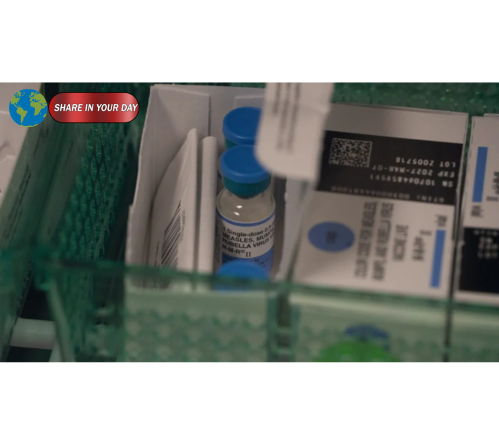
US Measles Cases Surpass 4,000 as Outbreaks Spread
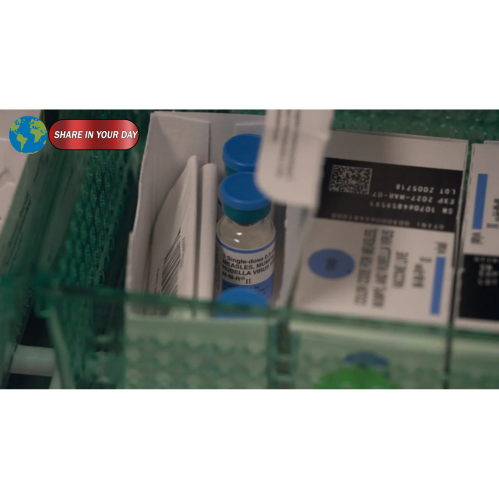
US measles cases have surpassed 4,000 in 2026, marking a serious public health concern as outbreaks continue across the country. Pennsylvania has emerged as a major center of transmission, accounting for more than one-quarter of the nation’s confirmed infections, according to recent figures from public health authorities.
The US Centers for Disease Control and Prevention (CDC) reported 4,080 confirmed measles cases nationwide as of October 8. The figure represented an increase of approximately 193 cases from the previous week, demonstrating that the outbreak continues to expand.
Pennsylvania has reported a particularly sharp increase. The state’s Department of Health announced on October 9 that its cumulative total had reached 1,136 cases, alongside 219 hospitalizations and five measles-associated deaths.
The figures highlight the challenges facing public health officials as they attempt to contain a highly contagious virus that was declared eliminated from continuous transmission in the United States in 2000.
Although measles remains preventable through vaccination, declining immunization coverage and gaps in community protection have contributed to renewed outbreaks.
Health authorities are encouraging eligible residents to check their vaccination status, follow public health guidance, and seek medical advice if they believe they have been exposed to the virus.
The growing outbreak also raises questions about whether the United States can maintain its measles elimination status as infections increase across multiple states.
1. US Measles Cases Reach Their Highest Levels in Decades
The latest CDC figures show that the United States is experiencing its most significant measles activity in decades.
As of October 8, 2026, the country had recorded 4,080 confirmed cases. The total has already exceeded the numbers typically seen during years when measles transmission remains limited.
According to recent reporting, 47 states and Washington, DC, have reported infections this year. That widespread distribution illustrates how quickly measles can cross state boundaries when infected people travel between communities.
The current outbreak is especially concerning because measles spreads much more easily than many other respiratory viruses.
An infected person can transmit the virus before recognizing that they have the disease. Early symptoms often resemble those of common respiratory illnesses, making it difficult to identify cases immediately.
Consequently, infected travelers may unknowingly expose other people in schools, healthcare facilities, workplaces, and public transportation settings.
Health officials must investigate suspected exposures, identify contacts, and provide guidance to people who may be vulnerable to infection.
Why the Latest Numbers Matter
The national total provides an important indication of the scale of the outbreak, but it does not necessarily capture every infection.
Some people with measles may not seek medical attention, while others may not receive laboratory testing. This means confirmed case counts can differ from the actual number of infections in a community.
Nevertheless, rising confirmed numbers provide clear evidence that transmission is continuing.
The increase also places additional demands on healthcare facilities, public health laboratories, and vaccination programs.
Hospitals must be prepared to treat patients experiencing complications, while local health departments work to identify possible exposure sites and prevent further transmission.
For families, the outbreak serves as a reminder to review immunization records, particularly for children and other people who may not have completed the recommended vaccination schedule.
2. Pennsylvania Becomes a Major Center of the Measles Outbreak
Pennsylvania is facing one of the largest state-level measles outbreaks in more than three decades.
The Pennsylvania Department of Health reported 1,136 confirmed cases for 2026 as of October 9. The state also reported 219 hospitalizations and five measles-associated deaths.
The outbreak began in late April and has spread across numerous counties.
Pennsylvania’s case total places it well ahead of several other states experiencing significant outbreaks.
The concentration of infections has prompted health officials to expand public information campaigns, organize vaccination clinics, and work with local communities to increase access to immunization.
The outbreak also illustrates the importance of vaccination coverage at the community level.
When a large proportion of people are protected against measles, the virus has fewer opportunities to spread. However, when vaccination rates fall, outbreaks can develop more easily.
Hospitalizations Highlight the Severity of Measles
Although many people recover from measles, the disease can cause serious complications.
The 219 hospitalizations reported in Pennsylvania demonstrate that the outbreak is not simply a matter of mild illness.
Complications can include pneumonia, dehydration, and inflammation of the brain. Young children, pregnant people, and individuals with weakened immune systems may face increased risks of severe disease.
Measles can also temporarily weaken the immune system, making people more vulnerable to other infections.
The five reported measles-associated deaths in Pennsylvania underscore the potentially devastating consequences of an infection that can largely be prevented through vaccination.
Health officials are continuing to monitor the outbreak and provide information about vaccination access and exposure risks.
Vaccination Efforts Expand Across Pennsylvania
Pennsylvania has increased its efforts to make measles vaccination more accessible.
The state health department has organized pop-up vaccination clinics and worked with healthcare providers and community organizations to reach residents in affected areas.
Officials reported that vaccination activity increased substantially during September, with more than 53,000 doses of the measles, mumps, and rubella vaccine administered statewide during the month.
The increased demand suggests that some residents are responding to growing awareness of the outbreak.
However, health officials continue to emphasize that vaccination efforts must reach communities where immunity gaps remain.
A sustained response will require cooperation among healthcare providers, schools, families, local organizations, and public health agencies.
3. Falling Vaccination Coverage Raises Concerns
One of the most important factors behind the resurgence of measles is the decline in vaccination coverage in some communities.
Measles is highly contagious, and public health authorities generally recommend that approximately 95% of a population be immune to help prevent sustained transmission.
When coverage falls below that level, the virus can spread more easily, particularly in schools and communities where many people remain unvaccinated.
Vaccination gaps can emerge for several reasons.
Some families experience difficulties accessing healthcare services. Others face logistical barriers, including transportation challenges or limited appointment availability.
Vaccine misinformation and concerns about vaccine safety can also discourage some parents from completing routine immunizations.
These factors can combine to leave groups of susceptible people vulnerable to infection.
Why Two MMR Vaccine Doses Matter
The measles, mumps, and rubella vaccine, commonly called the MMR vaccine, provides strong protection against measles.
According to the CDC, two doses are approximately 97% effective at preventing measles, while one dose is approximately 93% effective.
The recommended childhood schedule generally includes a first dose at 12 to 15 months of age and a second dose at 4 to 6 years.
People who are unsure about their vaccination status should consult a healthcare professional or review their immunization records.
Recommendations can vary depending on age, previous vaccination, travel plans, medical circumstances, and potential exposure.
Vaccination is particularly important for people living in or traveling to communities experiencing outbreaks.
However, individuals who may have been exposed to measles should contact a healthcare provider before arriving at a medical facility. Calling ahead helps healthcare staff take appropriate precautions to protect other patients.
4. Measles Continues to Spread Across Multiple States
Pennsylvania is not the only state reporting significant measles transmission.
The latest national figures show that infections have been reported across much of the United States, with several states experiencing substantial outbreaks.
South Carolina and Utah have also reported high case totals during 2026. Other states have recorded smaller outbreaks, demonstrating that measles transmission is not limited to a single geographic region.
The spread creates challenges for public health officials because people can travel between states before symptoms become obvious.
A person infected in one location may develop symptoms after returning home, potentially exposing household members, classmates, coworkers, or other contacts.
Public health agencies therefore need accurate reporting and timely communication to identify exposure risks.
How Outbreaks Spread Through Communities
Measles spreads through the air when an infected person breathes, coughs, or sneezes.
The virus can remain infectious in the air for up to two hours after an infected person has left an area under appropriate conditions.
This makes measles particularly challenging to contain in crowded indoor environments.
A susceptible person may become infected without having direct physical contact with someone who is ill.
Common exposure locations can include schools, healthcare facilities, public venues, and other indoor spaces.
The virus also has an incubation period, meaning symptoms may not appear immediately after exposure.
As a result, contact tracing and public health monitoring are essential parts of outbreak control.
Health authorities may notify people who were present at an exposure site and provide instructions about monitoring symptoms, vaccination, or other recommended precautions.
5. Measles Symptoms Can Initially Resemble Other Illnesses
Recognizing measles symptoms is important because infected people can spread the virus before the characteristic rash appears.
Early symptoms typically develop around 7 to 14 days after exposure, although the timing can vary.
Common symptoms include:
- High fever
- Cough
- Runny nose
- Red or watery eyes
- Small white spots inside the mouth in some patients
- A red rash that typically begins on the face and spreads downward across the body
The combination of fever, respiratory symptoms, and a spreading rash can indicate measles, particularly when a person has a known exposure or has not been fully vaccinated.
However, these symptoms are not sufficient to confirm the diagnosis without appropriate medical assessment.
People who suspect measles should contact a healthcare provider before visiting a clinic or emergency department.
This precaution allows medical staff to arrange appropriate isolation measures and reduce the risk of exposing other patients.
When Measles Requires Urgent Medical Attention
Measles can cause complications ranging from ear infections and diarrhea to pneumonia and encephalitis.
Warning signs that require urgent medical assessment can include difficulty breathing, confusion, seizures, severe dehydration, or unusual drowsiness.
Young children and people with weakened immune systems may be particularly vulnerable to serious outcomes.
There is no specific antiviral treatment routinely used to cure measles. Medical care generally focuses on managing symptoms, treating complications, maintaining hydration, and providing supportive care.
Healthcare professionals may also recommend vitamin A for children with measles in appropriate clinical circumstances.
Vitamin A should not be used as a substitute for vaccination or as a self-directed treatment. Excessive intake can be harmful, so it should be given under medical guidance.
Prevention remains the most effective strategy for reducing the risk of measles infection and its complications.
Could the United States Lose Its Measles Elimination Status?
The growing number of US measles cases has raised concerns about the country’s ability to maintain its measles elimination status.
The United States declared measles eliminated in 2000, meaning continuous domestic transmission had been interrupted.
However, elimination does not mean that the virus can never enter the country again.
Imported infections can trigger outbreaks when the virus reaches communities where vaccination coverage is insufficient.
If transmission continues for an extended period, the United States could face questions about whether it still meets the criteria for measles elimination.
International public health authorities are expected to review measles elimination status in the Americas later in 2026.
The outcome will depend on epidemiological evidence and the criteria used by the relevant public health authorities.
The distinction between elimination and eradication is important.
Elimination means stopping continuous transmission within a defined geographic area. Eradication means eliminating the disease’s worldwide transmission.
Measles has not been eradicated globally, so imported cases remain possible even in countries that previously interrupted domestic transmission.
Maintaining high vaccination coverage is therefore essential to preventing imported cases from developing into sustained outbreaks.
What Health Officials Are Doing to Contain the Outbreak
Public health agencies are using several strategies to reduce transmission and prevent additional cases.
These efforts include vaccination campaigns, laboratory testing, contact tracing, public information announcements, and coordination with healthcare providers.
Pennsylvania has expanded community vaccination clinics and worked with local organizations to reach residents in affected areas.
The CDC continues to collect national case information and provide guidance to state and local health departments.
Healthcare facilities are also important to the response because clinicians must recognize possible cases and take precautions to prevent exposure to other patients.
Public Awareness and Community Cooperation
Public health campaigns can help residents understand measles symptoms, vaccination recommendations, and the importance of reporting potential exposures.
However, communication must be clear, accurate, and accessible to different communities.
Health authorities may need to work with schools, religious organizations, community leaders, and local healthcare providers to reach people who face barriers to vaccination.
Trust is also important.
Residents are more likely to seek medical advice and consider vaccination when they can access reliable information and discuss their concerns with qualified healthcare professionals.
The rise in vaccination activity reported by Pennsylvania suggests that greater awareness may be encouraging more people to seek immunization.
Sustaining that progress will be important as the outbreak continues.
What Families Should Know About Measles Prevention
Families can take practical steps to reduce the risk of infection.
Check vaccination records. Confirm whether household members have received the recommended MMR vaccine doses.
Contact a healthcare professional if records are unclear. A clinician can help determine whether additional vaccination is appropriate.
Watch for symptoms after a known exposure. Follow public health guidance regarding monitoring, testing, and any recommended restrictions.
Call ahead before seeking medical care. If measles is suspected, notifying the healthcare facility helps staff protect other patients.
Rely on credible information. Use guidance from public health agencies and qualified medical professionals rather than unverified social media claims.
Parents should also check vaccination requirements and recommendations for children attending school or childcare.
People planning international travel should review current vaccination guidance well before departure, especially when traveling to areas experiencing measles outbreaks.
These measures can help protect individuals and reduce the likelihood that infections will spread to vulnerable people.
Conclusion: US Measles Cases Signal a Growing Public Health Challenge
US measles cases have surpassed 4,000 in 2026, while Pennsylvania’s outbreak has grown to more than 1,100 confirmed infections.
The latest figures demonstrate the continuing challenges of controlling a highly contagious disease when immunity gaps exist across communities.
Pennsylvania’s reported hospitalizations and deaths highlight the potentially severe consequences of measles, while outbreaks in other states show that the problem extends beyond one region.
Public health officials are responding with vaccination campaigns, surveillance, testing, and community outreach. Nevertheless, controlling the outbreak will require sustained cooperation from healthcare providers, families, and local organizations.
The MMR vaccine remains the most effective way to prevent measles and reduce the risk of severe complications.
As the United States approaches the end of 2026, the trajectory of the outbreak will depend partly on whether vaccination coverage improves and transmission can be interrupted.
For now, residents should stay informed, review their vaccination status, and follow advice from qualified healthcare professionals.
The latest outbreak is a reminder that diseases once brought under control can return when community protection weakens. Strengthening vaccination efforts and maintaining public confidence in evidence-based healthcare will be essential to preventing further spread.
Sources and Further Reading
- Original report: The Hill — US measles cases surpass 4,000, with over 25 percent coming from Pennsylvania
- National case figures: Reuters — US measles cases rise to 4,080, CDC says
- Pennsylvania outbreak update: Pennsylvania Department of Health
- CDC measles data and surveillance: US Centers for Disease Control and Prevention
- MMR vaccine information: CDC — Measles vaccination
WordPress SEO Checklist
- Focus keyword: US measles cases
- SEO title: Includes the focus keyword and uses a number.
- Meta description: Contains the focus keyword and stays under 160 characters.
- URL slug: Short and relevant to the article topic.
- Opening paragraph: Includes the focus keyword.
- Subheadings: Cover the outbreak, symptoms, vaccination, and public health response.
- Image ALT text: Includes the focus keyword.
- External links: Includes the original report and public health sources.
- Internal links: Add links to existing health and US news articles on your website.
- Featured image: Use an authorized photograph of a vaccination clinic or healthcare worker administering an MMR vaccine.
- Readability: Uses descriptive headings, short paragraphs, and transition words.
Suggested internal links: Add relevant articles from your website about public health, vaccination, infectious diseases, and recent US healthcare developments.
Editorial note: Case figures are time-sensitive. The national total cited here reflects the CDC’s October 8 update, while Pennsylvania’s figure reflects its October 9 update. Confirm the latest official data before publishing.