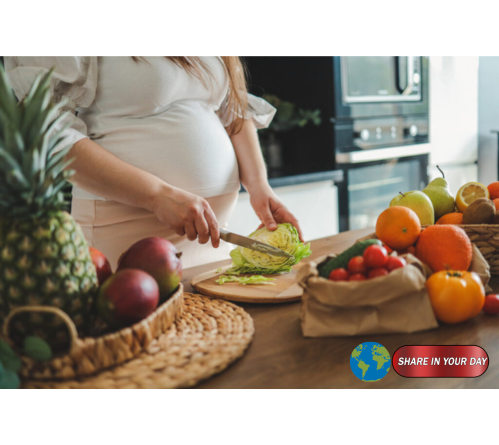
Healthy Pregnancy Diet: 5 Key Findings on Infant Health
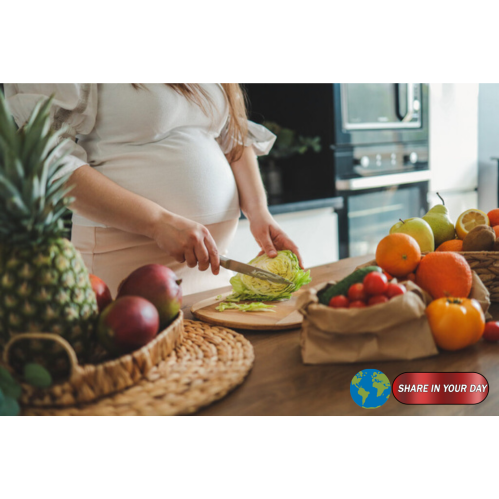
A healthy pregnancy diet may be associated with a lower likelihood of infants experiencing colic and eczema together, according to new research published in JAMA Network Open. The study, released on October 12, 2026, found that pregnant women who followed healthier dietary patterns, including a Mediterranean-style diet, had lower odds of their babies developing both conditions during early infancy.
Researchers also found that greater seafood consumption during pregnancy was associated with lower odds of infants experiencing colic alongside eczema. Meanwhile, a dietary pattern characterized by greater inflammatory potential was associated with higher odds of the two conditions occurring together.
The findings offer new insight into the possible relationship between maternal nutrition and early childhood health. However, researchers emphasize that the results show associations rather than proof that a particular diet prevents infant colic or eczema.
The study examined more than 1,300 mother-infant pairs and investigated whether dietary habits during pregnancy were associated with these common infant conditions. Its findings could help guide future research into the relationship between prenatal nutrition, immune development, and digestive health.
Here are five important findings from the research, along with practical considerations for expectant mothers.
1. Healthy Pregnancy Diet Linked to Lower Odds of Colic and Eczema Together
The study, titled Maternal Prenatal Diet and Colic and Eczema Among Infants, examined data from the Project Viva prospective cohort.
Researchers analyzed information from 1,324 mother-child pairs who had relevant dietary and infant health data. The mothers were recruited during early pregnancy in eastern Massachusetts between 1999 and 2002.
The research team assessed maternal diets during early and middle pregnancy using food-frequency questionnaires. They then compared dietary patterns with reports of infant colic symptoms and eczema diagnoses.
The infants were assessed at a median age of approximately six months.
Among the infants included in the analysis, 61, or 4.6%, experienced both colic and eczema. Another 273 infants, or 20.6%, experienced colic without eczema, while 152, or 11.5%, had eczema without colic.
The researchers discovered that higher scores on a Mediterranean diet measure were associated with lower odds of infants experiencing both conditions.
Specifically, each one-point increase in the average maternal Mediterranean Diet Score was associated with approximately 15% lower odds of the combined outcome.
This result suggests that overall dietary quality may be relevant to certain aspects of infant health.
However, the researchers did not find the same clear association between the dietary scores and colic or eczema occurring individually across the entire study population.
That distinction is important. The findings do not establish that a healthier maternal diet will prevent either condition on its own.
Instead, they suggest that maternal dietary patterns may be particularly relevant when colic and eczema occur together, potentially reflecting biological processes that deserve further investigation.
Source: Read the original study in JAMA Network Open
2. A Mediterranean-Style Diet May Offer Important Nutritional Benefits
A Mediterranean-style diet emphasizes a variety of minimally processed foods, including vegetables, fruits, whole grains, legumes, nuts, and healthy fats.
Fish and other seafood can also be part of this dietary pattern, alongside appropriate sources of protein.
The diet is widely studied because it emphasizes dietary variety and nutrient-rich foods rather than relying heavily on highly processed products.
In the new pregnancy study, researchers used a Mediterranean Diet Score to estimate how closely participants’ eating habits aligned with this pattern.
A higher score was associated with lower odds of infants experiencing both colic and eczema.
The finding adds to scientific interest in how overall maternal nutrition may influence the developing infant, although it does not establish a direct cause-and-effect relationship.
What a Mediterranean-Style Pregnancy Diet Can Include
Expectant mothers interested in improving dietary quality can discuss incorporating the following foods into a balanced eating plan:
- Vegetables: Spinach, broccoli, carrots, tomatoes, and other colorful varieties.
- Fruits: Apples, oranges, berries, bananas, and other fresh options.
- Whole grains: Oats, brown rice, whole-wheat bread, and other fiber-rich choices.
- Legumes: Lentils, beans, chickpeas, and peas.
- Healthy fats: Olive oil, avocados, and suitable portions of nuts and seeds.
- Protein sources: Eggs, beans, poultry, and thoroughly cooked seafood with low mercury levels.
- Dairy or fortified alternatives: Pasteurized milk, yogurt, and nutritionally appropriate alternatives.
These foods can help provide essential nutrients during pregnancy, including fiber, protein, vitamins, minerals, and healthy fats.
Nevertheless, individual nutritional needs vary. Pregnant women with food allergies, dietary restrictions, medical conditions, or specific nutritional concerns should consult a qualified healthcare professional.
The study does not mean that every pregnant woman must follow a strict Mediterranean diet. Rather, it reinforces the value of investigating overall dietary quality instead of focusing exclusively on individual foods.
3. Seafood Consumption Was Associated With Lower Odds of Combined Symptoms
One of the study’s notable findings involved seafood intake during pregnancy.
Researchers found that each additional weekly serving of seafood was associated with approximately 25% lower odds of infants experiencing both colic and eczema.
The estimated odds ratio was 0.75, with a 95% confidence interval ranging from 0.58 to 0.97.
The association is noteworthy, but it requires careful interpretation.
An odds ratio of 0.75 indicates lower odds in the statistical analysis. It does not mean that seafood consumption has been proven to reduce an individual infant’s risk by exactly 25%.
Furthermore, the researchers conducted an observational study rather than a randomized dietary trial. Other differences between participants could have contributed to the results.
For example, seafood consumption may be associated with other dietary habits, socioeconomic factors, or health behaviors that are difficult to measure completely.
Even so, the finding provides a useful direction for future research into prenatal nutrition and infant immune development.
Choosing Seafood Safely During Pregnancy
Seafood can provide protein, omega-3 fatty acids, iodine, and other nutrients that support maternal and fetal health.
However, certain fish contain elevated mercury levels, making food selection important during pregnancy.
Expectant mothers should follow current local pregnancy nutrition guidance and choose suitable low-mercury seafood options.
Fish should be handled and cooked safely, and raw or undercooked seafood should be avoided during pregnancy because of foodborne illness risks.
Women who do not eat seafood can discuss alternative sources of relevant nutrients with their healthcare providers.
Important: The study does not prove that increasing seafood intake will prevent colic or eczema. Pregnant women should not begin a restrictive or unusually high-seafood diet solely because of these findings.
4. More Inflammatory Dietary Patterns Were Associated With Higher Odds
The researchers also examined dietary inflammatory potential using the Dietary Inflammatory Index.
This measure estimates how a person’s overall diet relates to inflammatory processes based on the foods and nutrients consumed.
A higher score generally indicates a dietary pattern with greater inflammatory potential.
The study found that each one-point increase in the average Dietary Inflammatory Index score was associated with approximately 34% higher odds of infants experiencing both colic and eczema.
The reported odds ratio was 1.34, with a 95% confidence interval of 1.12 to 1.61.
This association remained evident after researchers adjusted their analysis for several maternal characteristics, including age, race and ethnicity, education, parity, smoking, and a history of atopic conditions.
These adjustments help account for measured differences between participants. However, statistical adjustment cannot eliminate every possible source of bias or confounding.
What Does Dietary Inflammatory Potential Mean?
Dietary inflammatory potential is not a diagnosis, and the study does not suggest that a specific food automatically causes inflammation or infant health problems.
Instead, the index provides a way to characterize overall dietary patterns using information about different foods and nutrients.
A balanced eating pattern can include a variety of nutrient-rich foods while limiting excessive consumption of highly processed products that contribute substantial amounts of added sugar, sodium, or less desirable fats.
For expectant mothers, practical improvements may include:
- Eating vegetables and fruits regularly.
- Choosing whole grains when possible.
- Including appropriate sources of protein.
- Using unsaturated fats as part of a balanced diet.
- Limiting foods that provide substantial added sugar without many essential nutrients.
- Maintaining adequate hydration.
These suggestions support general nutritional health. They should not be interpreted as a proven method for preventing infant colic or eczema.
The study’s findings support further investigation into whether dietary patterns associated with inflammation may influence early immune or digestive development.
5. The Findings Do Not Mean Pregnant Women Should Avoid Common Allergenic Foods
The research also examined whether maternal consumption of foods commonly associated with allergies was related to infant colic and eczema.
These foods included nuts, peanuts, dairy products, and eggs.
The results did not show a clear association between maternal consumption of dairy products or eggs and the combined colic-and-eczema outcome.
Likewise, nut and peanut consumption was not associated with the primary combined outcome.
However, researchers observed a small association between greater maternal nut and peanut intake and higher odds of colic among infants who did not have eczema.
That finding should be interpreted cautiously. It does not establish that eating nuts during pregnancy causes colic, nor does it demonstrate that avoiding nuts would prevent the condition.
The results also do not provide a basis for routinely eliminating peanuts, tree nuts, eggs, or dairy products from the diets of pregnant women.
Why Dietary Restrictions Require Caution
Unnecessary food restrictions can make it harder to obtain sufficient nutrients during pregnancy.
For example, eliminating dairy without an appropriate alternative may make adequate calcium intake more difficult. Avoiding multiple protein-rich foods can also complicate meal planning.
Women with diagnosed food allergies should continue following individualized medical advice.
Those considering eliminating foods because of concerns about infant eczema, colic, or future allergies should speak with their healthcare providers before making substantial dietary changes.
The new study investigated associations between maternal diet and infant symptoms. It was not designed to establish a prenatal food-avoidance strategy for preventing allergic diseases.
The broader message is that a varied, nutritionally adequate diet is generally more appropriate than unnecessary dietary restriction, unless a medical professional recommends otherwise.
What Is Infant Colic, and Why Does It Matter?
Infant colic describes episodes of prolonged or difficult-to-soothe crying in otherwise healthy young infants.
The exact causes are not fully understood. Researchers have investigated several possible contributors, including gastrointestinal development, the gut microbiome, feeding-related factors, and differences in how infants respond to their surroundings.
Colic can be stressful for families, particularly when crying is frequent and caregivers struggle to identify what might help.
Eczema, also called atopic dermatitis, is an inflammatory skin condition that can cause itching, redness, dryness, and irritation.
The two conditions have different symptoms, but researchers are interested in whether their simultaneous appearance in some infants reflects shared biological pathways.
The new study suggests that the combination may be worth investigating separately from colic or eczema alone.
Could Colic and Eczema Share an Underlying Mechanism?
The researchers proposed that some cases of colic accompanied by eczema could reflect a distinct pattern involving immune activity or allergic processes.
This hypothesis is consistent with the broader scientific interest in relationships between early digestive symptoms and later allergic conditions.
However, the study did not directly establish the biological mechanism responsible for the observed association.
It also did not demonstrate that changing a mother’s diet would prevent the underlying processes.
Further research will be needed to determine whether the findings can be reproduced in other populations and whether particular nutritional factors have a causal role.
Important Limitations of the Study
Although the research provides useful information, several limitations should be considered before drawing conclusions about a healthy pregnancy diet and infant health.
The Study Shows Associations, Not Causation
The research was observational.
Researchers compared dietary patterns with infant health outcomes but did not randomly assign pregnant women to different diets.
Consequently, the study cannot prove that maternal dietary choices caused the differences in infant outcomes.
Other factors may have influenced both maternal eating habits and infant health.
The Number of Infants With Both Conditions Was Relatively Small
Although the analysis included 1,324 mother-child pairs, only 61 infants experienced both colic and eczema.
A relatively small number of combined cases can limit the precision of estimates and make it more difficult to determine how well the results apply to other populations.
The researchers reported statistical uncertainty around their estimates, which should be considered when interpreting the findings.
The Participants Came From One Region
The study used data from Project Viva, a cohort recruited in eastern Massachusetts between 1999 and 2002.
Dietary patterns, healthcare access, environmental exposures, and other characteristics may differ across countries and communities.
Therefore, additional research is needed to determine whether similar associations appear in populations with different diets and living conditions.
Infant Outcomes Were Assessed Through Reported Information
The study relied on maternal reports of colic symptoms and eczema diagnoses.
Although this approach can provide valuable information, reported symptoms may not perfectly reflect the presence or severity of a condition in every infant.
The authors also acknowledged the possibility of bias from missing dietary information, missing infant outcomes, and factors that were not fully measured.
These limitations do not invalidate the findings, but they reinforce the need for further research.
How Expectant Mothers Can Apply the Findings Safely
The results offer a reason to pay attention to overall nutrition during pregnancy, but they should not create unnecessary anxiety about individual food choices.
A healthy pregnancy diet should prioritize adequate nutrition for both the pregnant woman and the developing baby.
Practical steps include the following.
1. Aim for dietary variety. Include different vegetables, fruits, whole grains, protein sources, and appropriate fats throughout the week.
2. Choose appropriate seafood options. Follow pregnancy-specific advice about low-mercury fish, safe preparation, and recommended intake.
3. Avoid unnecessary elimination diets. Do not remove entire food groups solely because of this study unless medically indicated.
4. Discuss supplements with a healthcare professional. Prenatal supplements may help meet specific nutritional needs, but the appropriate products and doses depend on individual circumstances.
5. Seek personalized advice when necessary. Women with food allergies, persistent digestive problems, nutritional deficiencies, or medical conditions may need individualized dietary guidance.
6. Remember that infant symptoms have multiple possible causes. Maternal nutrition is only one area being investigated, and the study does not establish a single explanation for colic or eczema.
If a baby develops persistent crying, feeding difficulties, significant skin symptoms, or other concerning signs, caregivers should seek advice from a pediatric healthcare professional rather than assuming the symptoms are caused by a particular food.
What Researchers Want to Learn Next
The findings raise several questions for future studies.
Researchers will need to determine whether the associations between prenatal dietary patterns and combined colic and eczema outcomes can be replicated in larger and more diverse populations.
Additional studies could also investigate which nutritional components, if any, are most relevant to infant digestive and immune development.
Another important question is whether the association differs according to a mother’s history of atopic conditions, such as allergies or eczema.
In the current study, the relationships between dietary quality and colic appeared stronger in certain analyses involving mothers with a history of atopy.
This suggests that maternal and infant characteristics may influence the relationships under investigation, although the findings require confirmation.
Future research could also examine the biological pathways connecting prenatal nutrition, immune development, and early digestive symptoms.
Ultimately, carefully designed studies will be needed to determine whether specific dietary interventions during pregnancy can improve infant health outcomes.
Until then, the evidence supports a measured conclusion: dietary quality during pregnancy may be associated with certain early infant health outcomes, but a particular diet has not been proven to prevent colic or eczema.
Final Takeaway: Healthy Pregnancy Diet and Infant Health
The new study published in JAMA Network Open adds to growing research into the relationship between maternal nutrition and early childhood health.
Among 1,324 mother-child pairs, researchers found that a higher Mediterranean Diet Score and greater seafood consumption during pregnancy were associated with lower odds of infants experiencing colic and eczema together. A dietary pattern with greater inflammatory potential was associated with higher odds of the same combination.
However, the researchers did not find clear evidence that the dietary scores were associated with colic or eczema individually across the entire study population.
The findings also do not establish that maternal diet causes or prevents either condition.
For expectant mothers, the most practical message is to focus on a varied, nutritionally adequate diet and follow established pregnancy food-safety recommendations. Unnecessary dietary restrictions should be avoided unless recommended by a healthcare professional.
Further research will help clarify whether specific dietary patterns influence infant immune and digestive development and whether nutritional interventions can improve outcomes.
A healthy pregnancy diet remains an important part of prenatal care, but its potential effects on infant colic and eczema require further scientific investigation.