Will Wade LSU Rant: 5 Key Facts Behind the Clash
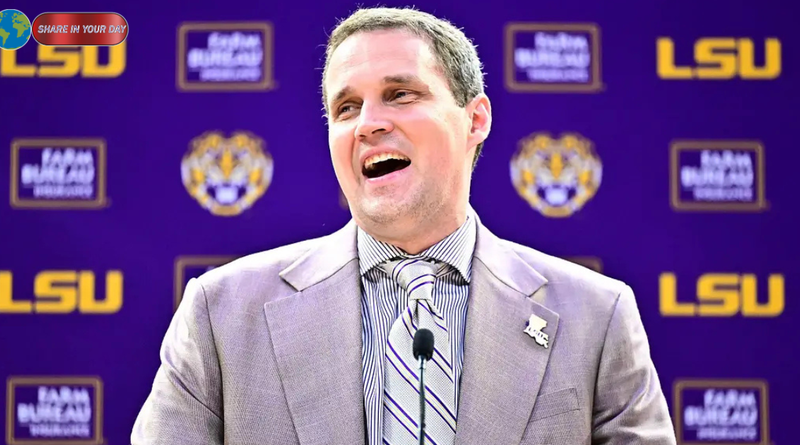
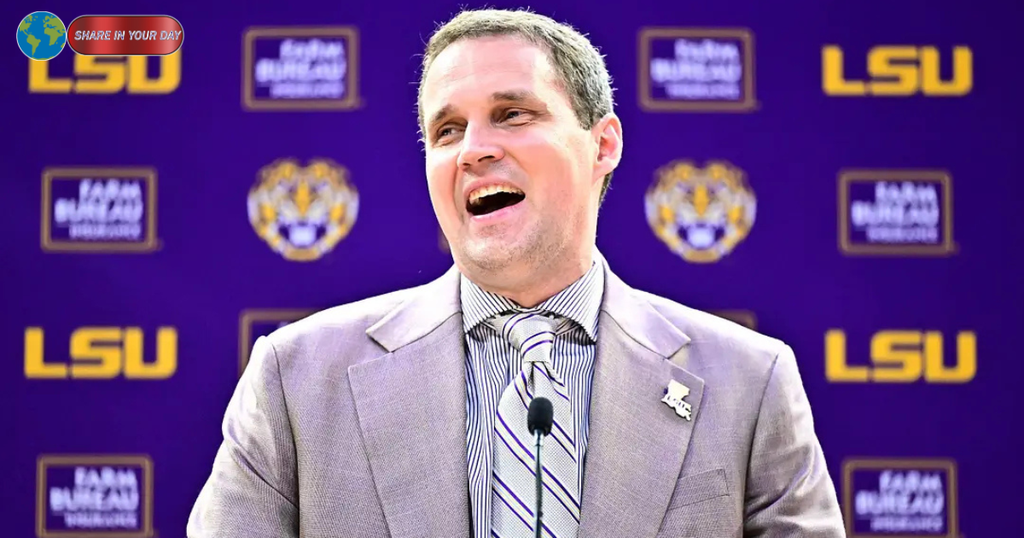
The Will Wade LSU rant has become a major talking point in college basketball after the LSU Tigers coach erupted during a media interview with Sports Illustrated senior writer Pat Forde. The confrontation took place on October 13, 2026, when questions about LSU’s unsettled roster and player eligibility prompted Wade to accuse the veteran journalist of asking “gotcha questions.”
The exchange came at a sensitive moment for LSU. The Tigers have spent the offseason navigating eligibility disputes involving several prospective players, while the Southeastern Conference has challenged the program’s approach to roster construction.
Wade’s frustration was evident during the virtual media availability, which replaced LSU’s scheduled in-person appearance at SEC basketball media days in Birmingham, Alabama. The team’s flight from Baton Rouge had been grounded by fog.
For Forde, the questions were a natural response to uncertainty surrounding the roster just weeks before the regular season. In his subsequent Sports Illustrated column, he argued that the public deserved clear answers about which players would actually be available.
The confrontation has highlighted more than a disagreement between a coach and a reporter. It has also drawn attention to the eligibility rules, legal disputes and recruiting decisions that could shape LSU’s 2026–27 basketball season.
1. Will Wade LSU Rant Begins With Questions About the Roster
The confrontation developed as Forde asked Wade to clarify the status of several players linked to LSU.
The Tigers had listed only four players on their official roster at one point earlier in the offseason. By the time of their first exhibition game, the team had put seven players on the floor, while multiple prospective additions still faced questions about eligibility.
That uncertainty made the roster a central topic ahead of the new season.
One of Forde’s questions concerned RJ Luis Jr., the former St. John’s standout who signed with LSU after pursuing professional basketball opportunities. The SEC had declared Luis ineligible, and his attempt to obtain clearance became part of a broader dispute between LSU and the conference.
Wade responded that LSU would follow the SEC’s protocols and confirmed that Luis had not been added to the roster.
Forde then asked about Márcio Santos, a professional player who had been linked to LSU earlier in the recruiting process. Wade objected to the question, saying Santos had not been part of the team’s plans since July.
The exchange quickly became more heated.
“Do you even follow us? Or are you just here to ask ‘gotcha’ questions?” Wade asked, according to reporting on the interview.
Forde attempted to explain his questions and moved on to other players whose eligibility remained uncertain.
Wade eventually addressed the broader group, saying LSU felt confident that the players who were actually on its roster would become eligible.
The answers offered some clarification, but they did not resolve every question about the team’s potential lineup.
2. Why Pat Forde Continued Asking Questions
Forde’s subsequent column in Sports Illustrated defended the relevance of his questions.
His central argument was that LSU’s roster situation remained unusually uncertain, making it reasonable to ask which players would be available when the season began.
College basketball teams generally build their preseason preparations around a roster of players expected to compete. Eligibility disputes can complicate that process, particularly when prospective additions have professional experience or have previously entered an NBA draft.
In LSU’s case, several players had backgrounds that raised questions under SEC or NCAA rules.
Forde’s questions covered Luis, Santos, Saliou Niang, Gilad Levy and Skyy Clark. Their situations were not identical: some had professional basketball experience, some had been linked to LSU without appearing on its roster, and others faced separate eligibility questions.
Forde also questioned the distinction Wade drew between players who were part of the team and those who were not.
The journalist’s argument was that LSU’s public roster information and previous statements from the coaching staff created legitimate questions about the program’s plans.
Wade, by contrast, appeared frustrated by what he viewed as inaccurate or outdated assumptions about his recruiting activity.
That difference explains much of the confrontation. Forde sought specific answers about a roster that had attracted national attention, while Wade objected to questions he believed misrepresented the situation.
Neither the exchange nor the subsequent column resolved all the eligibility issues. However, the disagreement made the uncertainty surrounding LSU’s preparations more visible to the public.
3. RJ Luis Is at the Center of a Major Eligibility Dispute
One of the most significant issues involves RJ Luis Jr., who previously starred at St. John’s before entering professional basketball.
Luis went undrafted in the 2025 NBA draft and subsequently signed professional contracts, including a two-way deal with the Utah Jazz before moving to the Boston Celtics organization. He also spent time with the Maine Celtics in the NBA G League.
He later signed with LSU on May 19, 2026, hoping to return to college basketball.
The SEC ruled him ineligible under a conference policy restricting athletes with professional team experience from returning to college competition at SEC institutions.
Luis sought legal relief and obtained a court order that temporarily advanced his attempt to play. However, that development did not settle the underlying dispute with the conference.
On October 13, Reuters reported that Wade had decided LSU would not challenge the SEC’s eligibility ruling on Luis.
Wade said the team would follow conference protocols and noted that Luis had not traveled with the team for a recent exhibition game or been placed on the roster.
The decision was significant because Luis had been one of the prominent players associated with LSU’s efforts to assemble its roster.
His absence also illustrates the practical consequences of eligibility disputes. A coach may recruit a player and invest considerable time in planning for his arrival, only to discover that conference rules prevent him from competing.
For LSU, the immediate effect is that the coaching staff must prepare for the season without Luis while continuing to address questions surrounding other players.
The situation also underscores the difference between obtaining temporary legal relief and securing final eligibility under the rules governing a conference.
4. Saliou Niang and Skyy Clark Add to LSU’s Roster Uncertainty
Luis is not the only player whose eligibility has drawn attention.
Saliou Niang, a forward selected by the Cleveland Cavaliers with the 58th pick in the 2025 NBA draft, has been linked to LSU. His situation has attracted scrutiny because of SEC rules concerning players who entered the NBA draft but did not properly withdraw.
The conference has taken a restrictive position on athletes with certain professional or draft-related histories returning to college competition.
Even if a player receives NCAA eligibility, a separate conference rule can create an additional obstacle. That distinction is important because NCAA clearance does not necessarily guarantee that every conference requirement has been satisfied.
Niang’s status therefore represents a potential complication for Wade’s roster plans.
Skyy Clark has also faced eligibility questions. The former Illinois, Louisville and UCLA guard was associated with LSU amid legal developments concerning his college eligibility.
However, the players’ circumstances differ, and it would be inaccurate to treat every unresolved case as part of a single dispute with the same legal basis.
Wade expressed optimism that the players who were genuinely on the team’s roster would receive clearance. That statement suggested confidence in at least some of LSU’s potential lineup, but it did not provide a definitive resolution for every player.
The uncertainty leaves LSU facing an important preseason challenge: preparing its rotations and competitive strategy while some roster decisions remain unresolved.
A coach can adjust practice plans and explore different combinations, but uncertainty over available players can make it harder to establish consistent roles before the regular season begins.
5. LSU’s Conflict With the SEC Extends Beyond Basketball
The confrontation with Forde comes amid a wider dispute between LSU and the SEC over roster eligibility and recruiting.
The conference has raised objections to the school’s attempts to add athletes with professional experience to its football and basketball programs.
In September 2026, the SEC filed a federal lawsuit against LSU concerning its recruiting of former professional football players. The conference also considered disciplinary action related to the dispute, including the possibility of expulsion, before that potential vote was called off.
The lawsuit remained active as of October 13, according to reporting by Sports Illustrated.
LSU subsequently filed a motion seeking dismissal of the case, escalating the legal disagreement between the school and its conference.
The dispute matters because conference membership involves more than scheduling games. Member institutions are expected to follow shared rules governing competition, eligibility and the administration of their athletic programs.
When a school challenges those rules, the consequences can extend beyond one player or one team.
The basketball eligibility dispute involving Luis illustrates how conference policy can affect a coach’s roster decisions. The football case demonstrates that the disagreement is not limited to a single sport.
For LSU, the challenge is to assemble competitive teams while navigating regulations that the school and conference may interpret differently.
For the SEC, the dispute raises questions about how its rules should be enforced when a member institution contests their application.
The legal outcome could influence future roster decisions and the relationship between LSU and the conference.
Why the Confrontation Matters Before the 2026–27 Season
The timing of the exchange has made the situation particularly relevant.
College basketball programs typically use the weeks before the regular season to finalize rotations, develop team chemistry and prepare for competitive games.
When a roster remains unsettled, coaches must plan around different possible outcomes.
A player who becomes eligible late may need to integrate into the team’s system quickly. A player who remains ineligible may force the coaching staff to revise its plans or rely more heavily on available alternatives.
The uncertainty can also affect expectations. LSU was picked 14th among the SEC’s 16 teams in the media’s preseason poll, according to reporting on the conference’s basketball media days.
That ranking reflects preseason expectations rather than a final assessment of the team’s ability. Still, the combination of roster uncertainty and legal disputes creates additional pressure as Wade begins his return to the SEC.
The coach has previously built competitive teams, but the current circumstances require him to manage eligibility decisions alongside ordinary basketball preparation.
The confrontation with Forde has consequently become a public symbol of the wider challenges facing the program.
Will Wade’s History With NCAA Violations Adds Context
The questions surrounding LSU’s roster have also revived discussion of Wade’s previous tenure at the school.
Wade was dismissed by LSU in 2022 following major NCAA violations involving the men’s basketball program.
The controversy included an FBI-recorded conversation in which Wade discussed a “strong-ass offer” to a recruit. The episode became a defining part of the scrutiny surrounding his earlier tenure.
That history helps explain why questions about recruiting practices and roster eligibility attract particular attention when Wade is involved.
It also provides context for the strained exchange with Forde, who was among the journalists reporting on the earlier controversy.
However, the previous case and the current eligibility disputes should be distinguished. Questions about whether specific players can compete in 2026–27 must be evaluated under the rules and circumstances that apply to those players.
Wade’s history does not, by itself, establish that every current recruiting decision violates a rule.
The immediate issues concern player eligibility, the SEC’s policies and LSU’s efforts to prepare its roster for the season.
What Happens Next for LSU Basketball?
Several developments will determine how the situation unfolds.
First, LSU must establish which prospective players can compete under the applicable NCAA and SEC rules. Clear decisions will help the coaching staff settle rotations and plan for the season.
Second, the dispute with the SEC remains important. The conference’s legal action against LSU could affect the broader relationship between the school and its league, although its final consequences remain uncertain.
Third, LSU’s performance on the court will eventually provide a clearer picture of how the roster comes together. Preseason rankings and eligibility debates cannot determine the team’s results by themselves.
Finally, the relationship between Wade and the media may remain a subject of attention. Coaches regularly face questions about recruiting, injuries and roster decisions, while reporters must distinguish confirmed information from speculation.
The latest confrontation demonstrates how quickly a disagreement over specific questions can become a broader story about transparency, accountability and the pressures surrounding a major college basketball program.
Conclusion: Will Wade’s LSU Rant Reflects a Program Under Pressure
The Will Wade LSU rant has brought the Tigers’ uncertain roster and their ongoing conflict with the SEC into the national spotlight.
Wade objected to Pat Forde’s questions about players whose eligibility remained unresolved, while Forde argued that the questions were justified by the uncertainty surrounding LSU’s preparations.
The dispute over RJ Luis has since taken a clearer direction, with LSU deciding not to challenge the SEC’s ruling on his eligibility. Other player situations, including those involving Saliou Niang and Skyy Clark, have also attracted scrutiny.
Beyond basketball, LSU remains involved in a legal dispute with the SEC over recruiting practices, adding another layer of pressure to the athletic department.
The immediate task for Wade is to determine which players will be available and build a competitive team around them. For the program, the broader challenge is navigating conference rules and legal disputes while preparing for a demanding season.
As the 2026–27 campaign approaches, the focus will eventually shift from heated media exchanges to results on the court. Until then, LSU’s roster decisions and its relationship with the SEC will remain central to the story.