Pope Leo XIV: 5 Key Facts About Vatican Leadership
Pope Leo XIV is recovering in a Rome hospital following surgery for lung cancer, while senior officials at the Vatican continue managing the daily responsibilities of the Roman Catholic Church. The pontiff’s temporary absence from public duties has drawn attention to how the institution maintains its operations when its leader cannot perform his usual schedule.
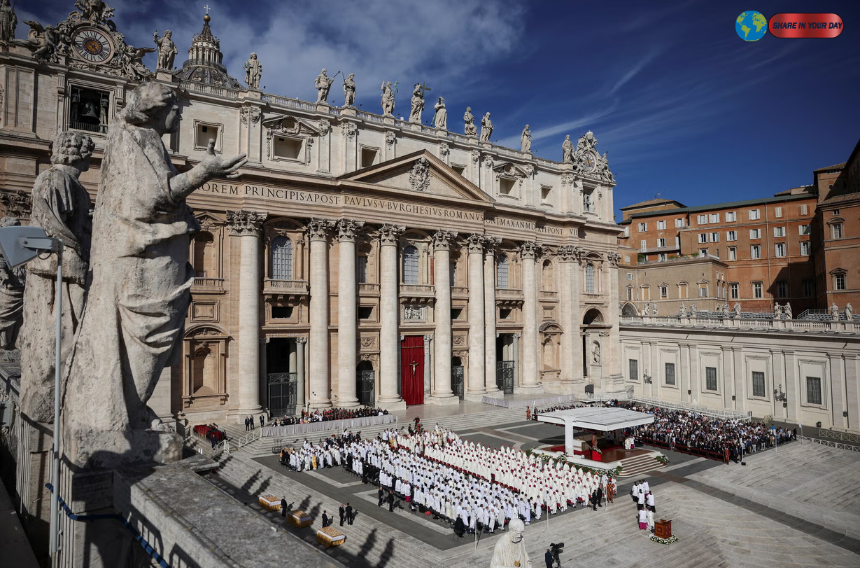
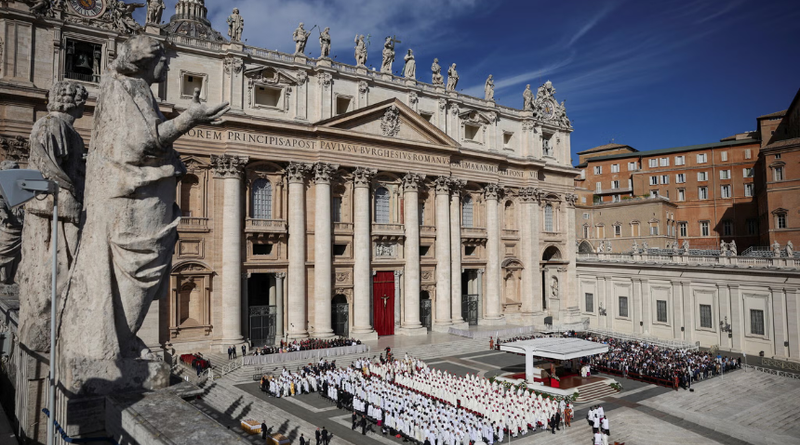
The Vatican confirmed that the 71-year-old pope underwent surgery on October 13, 2026, at Gemelli Hospital. Doctors removed the lower lobe of his right lung after an examination confirmed lung adenocarcinoma, a common form of lung cancer. The operation was reported to have been successful, with no immediate complications.
As Leo recovers, the Church continues its regular administrative work. However, his hospitalization has raised questions about decision-making, leadership responsibilities and the limits of delegating papal duties.
Pope Leo XIV Recovery: What Doctors Have Reported
Medical updates released on October 14 indicated that Leo’s recovery was progressing as expected. His doctors reported that he had begun walking around his hospital room, completed respiratory physiotherapy and returned to a regular diet.
Blood tests and a chest X-ray also showed results consistent with the expected recovery following surgery.
Although the initial reports were encouraging, important questions about the pope’s condition remained unanswered. Doctors had not yet publicly disclosed whether the cancer had spread beyond the affected lung tissue or whether further treatment would be necessary.
The results of additional examinations will help determine the next steps in his care. Until those findings become available, the full medical outlook remains uncertain.
The Vatican has suspended the pope’s scheduled audiences through October 20 to allow him time to recover. His planned November visit to Uruguay, Argentina and Peru could also depend on his progress and medical advice.
Who Runs the Catholic Church While the Pope Recovers?
The Catholic Church does not appoint an acting pope whenever the pontiff becomes ill or is temporarily unable to appear in public.
Under the Church’s established structure, Leo remains pope throughout his hospitalization. His temporary absence does not automatically transfer his office or authority to another individual.
Instead, the Vatican’s existing leadership continues carrying out administrative responsibilities. Cardinal Pietro Parolin, the Vatican secretary of state, is among the senior figures involved in managing the institution’s day-to-day affairs.
Other cardinals, department heads and officials continue overseeing their respective areas of responsibility. Routine meetings, administrative work and diplomatic communications can proceed without requiring the pope’s personal participation in every activity.
Certain religious ceremonies and public appearances, however, may be postponed or conducted by other senior clergy when appropriate.
This arrangement allows the Vatican to maintain continuity while recognizing that some responsibilities are closely tied to the pope himself.
Vatican Leadership Relies on Established Institutions
The Vatican’s ability to continue operating during Leo’s recovery reflects a long-established administrative structure.
The Holy See maintains diplomatic relationships, oversees Church departments and coordinates activities involving Catholic communities around the world. These responsibilities do not stop simply because the pope is receiving medical care.
The secretary of state and other senior officials help coordinate communications and ensure that ordinary administrative matters continue to receive attention.
Nevertheless, the Vatican’s administrative structure is not equivalent to a replacement for the pope. The distinction matters because the pontiff holds a unique position within the Church, serving as its supreme leader and a central figure in its religious life.
Some matters can be handled through established procedures, while others may require the pope’s direct involvement or approval.
For that reason, maintaining normal operations does not necessarily mean every major decision can proceed at its usual pace.
Pope Leo XIV’s Health Raises Questions About His Agenda
Leo’s hospitalization comes less than 18 months after his election in May 2025. As the first pope born in the United States, he entered the papacy amid expectations that he would help guide the Church through a period of institutional and social change.
His diagnosis has introduced uncertainty into the timetable for his priorities.
Depending on the results of further medical tests, his recovery could affect upcoming meetings, international travel and other commitments. His planned November journey to South America is among the engagements receiving attention.
For now, the Vatican has not confirmed whether that trip will proceed as originally scheduled.
The situation also highlights the challenge of balancing the demands of the papacy with the practical limitations imposed by illness. Even a pope known for maintaining an active schedule must follow medical advice when recovering from major surgery.
The coming weeks may therefore determine how quickly Leo can resume public duties and whether his agenda needs to be adjusted.
A More Open Approach to Papal Health
Leo’s public comments about his lung condition have also drawn attention to the Vatican’s traditional approach to medical information.
Historically, details about a pope’s health have often been closely controlled, leaving observers to rely on official statements and limited public appearances to assess his condition.
In this case, Leo informed the public that doctors had discovered a lung nodule and that he would undergo surgery. Subsequent Vatican announcements confirmed the cancer diagnosis following the operation.
The updates have provided a clearer account of his treatment, although some medical questions remain unanswered.
This level of disclosure has allowed Catholics and international observers to follow his recovery while avoiding speculation about details that have not been officially released.
It has also reinforced the importance of distinguishing confirmed medical information from assumptions about the pope’s long-term prognosis.
What Happens Next for the Vatican?
The immediate priority remains Leo’s recovery and the medical assessments needed to guide his treatment.
Meanwhile, Vatican officials are expected to continue overseeing routine operations and making practical arrangements for scheduled activities. Events requiring the pope’s presence may be adjusted according to his health and medical recommendations.
The institution’s established procedures provide continuity during his absence, but they do not eliminate the importance of his personal leadership.
For Catholics around the world, the coming days will bring continued interest in updates about his condition and his eventual return to public duties.
For now, the Vatican faces a familiar institutional challenge: keeping a global religious organization functioning while its central figure focuses on his health.
Leo’s recovery will ultimately determine how quickly he can return to his normal responsibilities. Until then, the Church’s established leadership structure will remain central to maintaining stability during an uncertain period.