Oil Prices Today: Brent and WTI Fall as Supply Risks Persist
Oil prices today are retreating as traders weigh the risk of further supply disruptions in the Middle East against signs that additional production and potential changes to US shipping restrictions could ease pressure on the global crude market. On Thursday, October 15, 2026, Brent crude and US West Texas Intermediate (WTI) fell from their previous session’s levels, even as security concerns around the Strait of Hormuz continued to unsettle energy markets.
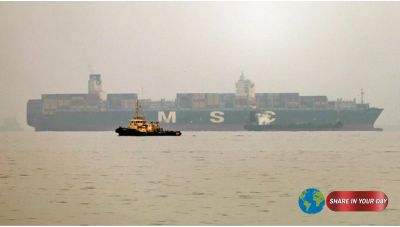
Brent crude futures traded near $104.42 a barrel in Thursday’s market, while WTI fell to approximately $94.11, according to Reuters. The declines reversed some of the previous session’s gains, when concerns about attacks on shipping and energy infrastructure had pushed prices higher.
The latest movement highlights the competing forces shaping oil prices. Disruptions to shipping routes can reduce the amount of crude reaching international buyers, potentially pushing prices higher. Meanwhile, increased production, recovering exports and measures designed to facilitate oil transportation can help limit those increases.
For consumers, businesses and investors, the direction of crude prices matters because oil is a major input for transportation, manufacturing, agriculture and many other economic activities. However, movements in Brent and WTI futures do not translate immediately or uniformly into changes at petrol stations.
The market’s next direction will depend on how the security situation develops, whether supplies can move more freely and what fresh inventory and demand data reveal about the balance between oil production and consumption.
Oil Prices Today: Where Brent and WTI Stand
Brent and WTI are the two major crude oil benchmarks followed by traders, energy companies and policymakers around the world.
Brent is widely used to price crude oil traded internationally, particularly supplies transported by sea. WTI is a key US benchmark, reflecting crude oil conditions in the American market.
On October 15, Reuters reported the following prices during early trading:
Brent crude
$104.42
Per barrel · Reported market level
Lower
WTI crude
$94.11
Per barrel · Reported market level
Lower
Source: Reuters, October 15, 2026. Prices are reported trading levels, not guaranteed live quotes or official closing prices.
The difference between the two benchmarks reflects variations in crude quality, transportation costs, regional supply and demand, and the conditions under which oil is delivered.
Both benchmarks remain sensitive to developments in the Middle East because disruptions to maritime transport can affect international trade flows and the cost of moving crude between producing and consuming regions.
The latest decline does not necessarily indicate that the market’s supply concerns have disappeared. Instead, it suggests that traders are balancing immediate geopolitical risks against the possibility of improved supply conditions.
1. Strait of Hormuz Tensions Keep Oil Supply in Focus
The Strait of Hormuz remains one of the most important shipping corridors for the global energy industry.
The narrow waterway connects the Persian Gulf with the Gulf of Oman and the Arabian Sea. Oil producers in the region depend on the route to move significant volumes of crude and petroleum products to international customers.
Any interruption can create problems for exporters, refiners, shipping companies and buyers that rely on dependable deliveries.
Recent attacks on vessels in the region have heightened concerns about maritime safety and the reliability of oil shipments. Reuters reported that traders were assessing risks from attacks on shipping through the strait alongside efforts to reduce petroleum transportation costs.
These incidents can affect prices through several channels.
First, shipowners may avoid dangerous routes or demand higher insurance premiums. Second, vessels may take longer to reach loading terminals or delivery destinations. Third, buyers may seek alternative supplies if they fear that existing shipments could be delayed.
Even when oil production continues, difficulties moving it can tighten the amount available to the market.
However, not every security incident leads to a lasting increase in crude prices. Traders also assess the scale of the disruption, the availability of alternative routes and the likelihood that shipping conditions will improve.
That explains why oil prices can fall during a period of geopolitical tension. If market participants believe that additional supplies will offset potential disruptions, the downward pressure from improved supply expectations can outweigh immediate security concerns.
2. US Shipping Policy Could Influence Crude Supply
US policy is another factor affecting the oil market.
Reuters reported that investors were weighing possible US efforts to ease restrictions on certain oil-carrying vessels, a move intended to reduce shipping costs and improve the movement of petroleum supplies.
The potential impact depends on the details of any policy change, including which vessels would qualify, what restrictions would remain and how quickly companies could respond.
If more shipping capacity becomes available, transportation costs could decline and some oil flows could become easier to arrange. That could reduce one source of pressure on crude prices.
Nevertheless, changes to shipping restrictions would not automatically resolve every supply problem.
Oil must still be produced, loaded, transported and delivered safely. Security risks around major waterways can remain significant even when regulatory barriers are reduced.
Furthermore, the market may react to expectations before a policy is formally implemented. If traders believe a measure will increase supply, prices may adjust immediately. If the measure is delayed or proves less effective than anticipated, those expectations could change.
For that reason, developments in US policy remain an important variable in the outlook for oil prices today.
3. Higher Production Offers Some Relief
Additional production from Russia and Middle Eastern producers has helped moderate concerns about global supply.
Reuters reported that Russian crude output rose to approximately 8.43 million barrels per day in September, although it remained below its level a year earlier. The broader recovery in Middle Eastern exports has also helped restore some flows that had been disrupted by the conflict.
Higher production can ease the market when it increases the volume of crude available to refiners and other buyers.
However, the impact depends on whether that oil can reach customers. Additional production offers less immediate relief when transportation routes are disrupted, storage facilities are constrained or buyers cannot secure suitable shipping.
The distinction between production and exports is particularly important in the current environment.
A country may extract more crude without delivering all of the additional volume to international markets. Conversely, exports may recover as shipping conditions improve, even if production changes only modestly.
Energy traders therefore monitor both production figures and export flows when assessing whether supply conditions are improving.
The Organisation of the Petroleum Exporting Countries and its partners, commonly known as OPEC+, also influence the market through production decisions. Changes in output targets can alter expectations about the availability of crude in the coming weeks and months.
Nevertheless, production increases do not guarantee lower prices. Their effect depends on demand, inventory levels, transportation costs and the scale of any simultaneous supply disruption.
4. US Crude Inventories Provide Another Market Signal
Oil inventory data are another major influence on crude prices.
When inventories decline, the market may interpret the movement as evidence that demand is exceeding available supply. When stocks increase, traders may conclude that production or imports are outpacing consumption.
Neither interpretation is automatic. Inventory movements can also reflect refinery maintenance, seasonal demand, changes in imports and exports, or temporary logistical problems.
The American Petroleum Institute reported a substantial decline of 11.1 million barrels in US crude inventories for the previous week, according to figures cited in market reporting. Official data from the US Energy Information Administration were expected later on October 15.
The distinction between preliminary industry estimates and official government data is important. Traders often compare the two releases with analysts’ expectations before adjusting their positions.
If official figures confirm a significant drawdown, that could reinforce concerns about tight US supplies. However, the impact on prices would also depend on gasoline and distillate inventories, refinery activity and the wider international outlook.
A decline in crude stocks does not necessarily mean that consumers will immediately face higher fuel prices. Refinery output, distribution costs, taxes and local market conditions also influence the price paid at the pump.
For investors, inventory data provide one piece of a broader picture rather than a standalone forecast.
5. Weakening Demand Could Limit Further Price Gains
While supply disruptions can push crude prices higher, demand remains equally important.
When oil becomes more expensive, businesses and households may reduce consumption, postpone purchases or seek alternatives. Higher fuel costs can also increase transportation and manufacturing expenses, putting pressure on economic activity.
The International Energy Agency has warned that the conflict involving Iran is weighing on global oil consumption through higher fuel prices, constrained supplies and a more uncertain economic outlook. Its October assessment projected an average decline in global oil demand of 2.6 million barrels per day in 2026, followed by a partial recovery in 2027Oil Prices Today: Brent and WTI Fall as Supply Risks Persist
Oil prices today are retreating as traders weigh the risk of further supply disruptions in the Middle East against signs that additional production and potential changes to US shipping restrictions could ease pressure on the global crude market. On Thursday, October 15, 2026, Brent crude and US West Texas Intermediate (WTI) fell from their previous session’s levels, even as security concerns around the Strait of Hormuz continued to unsettle energy markets.
Brent crude futures traded near $104.42 a barrel in Thursday’s market, while WTI fell to approximately $94.11, according to Reuters. The declines reversed some of the previous session’s gains, when concerns about attacks on shipping and energy infrastructure had pushed prices higher.
The latest movement highlights the competing forces shaping oil prices. Disruptions to shipping routes can reduce the amount of crude reaching international buyers, potentially pushing prices higher. Meanwhile, increased production, recovering exports and measures designed to facilitate oil transportation can help limit those increases.
For consumers, businesses and investors, the direction of crude prices matters because oil is a major input for transportation, manufacturing, agriculture and many other economic activities. However, movements in Brent and WTI futures do not translate immediately or uniformly into changes at petrol stations.
The market’s next direction will depend on how the security situation develops, whether supplies can move more freely and what fresh inventory and demand data reveal about the balance between oil production and consumption.
Oil Prices Today: Where Brent and WTI Stand
Brent and WTI are the two major crude oil benchmarks followed by traders, energy companies and policymakers around the world.
Brent is widely used to price crude oil traded internationally, particularly supplies transported by sea. WTI is a key US benchmark, reflecting crude oil conditions in the American market.
On October 15, Reuters reported the following prices during early trading:
Brent crude
$104.42
Per barrel · Reported market level
Lower
WTI crude
$94.11
Per barrel · Reported market level
Lower
Source: Reuters, October 15, 2026. Prices are reported trading levels, not guaranteed live quotes or official closing prices.
The difference between the two benchmarks reflects variations in crude quality, transportation costs, regional supply and demand, and the conditions under which oil is delivered.
Both benchmarks remain sensitive to developments in the Middle East because disruptions to maritime transport can affect international trade flows and the cost of moving crude between producing and consuming regions.
The latest decline does not necessarily indicate that the market’s supply concerns have disappeared. Instead, it suggests that traders are balancing immediate geopolitical risks against the possibility of improved supply conditions.
1. Strait of Hormuz Tensions Keep Oil Supply in Focus
The Strait of Hormuz remains one of the most important shipping corridors for the global energy industry.
The narrow waterway connects the Persian Gulf with the Gulf of Oman and the Arabian Sea. Oil producers in the region depend on the route to move significant volumes of crude and petroleum products to international customers.
Any interruption can create problems for exporters, refiners, shipping companies and buyers that rely on dependable deliveries.
Recent attacks on vessels in the region have heightened concerns about maritime safety and the reliability of oil shipments. Reuters reported that traders were assessing risks from attacks on shipping through the strait alongside efforts to reduce petroleum transportation costs.
These incidents can affect prices through several channels.
First, shipowners may avoid dangerous routes or demand higher insurance premiums. Second, vessels may take longer to reach loading terminals or delivery destinations. Third, buyers may seek alternative supplies if they fear that existing shipments could be delayed.
Even when oil production continues, difficulties moving it can tighten the amount available to the market.
However, not every security incident leads to a lasting increase in crude prices. Traders also assess the scale of the disruption, the availability of alternative routes and the likelihood that shipping conditions will improve.
That explains why oil prices can fall during a period of geopolitical tension. If market participants believe that additional supplies will offset potential disruptions, the downward pressure from improved supply expectations can outweigh immediate security concerns.
2. US Shipping Policy Could Influence Crude Supply
US policy is another factor affecting the oil market.
Reuters reported that investors were weighing possible US efforts to ease restrictions on certain oil-carrying vessels, a move intended to reduce shipping costs and improve the movement of petroleum supplies.
The potential impact depends on the details of any policy change, including which vessels would qualify, what restrictions would remain and how quickly companies could respond.
If more shipping capacity becomes available, transportation costs could decline and some oil flows could become easier to arrange. That could reduce one source of pressure on crude prices.
Nevertheless, changes to shipping restrictions would not automatically resolve every supply problem.
Oil must still be produced, loaded, transported and delivered safely. Security risks around major waterways can remain significant even when regulatory barriers are reduced.
Furthermore, the market may react to expectations before a policy is formally implemented. If traders believe a measure will increase supply, prices may adjust immediately. If the measure is delayed or proves less effective than anticipated, those expectations could change.
For that reason, developments in US policy remain an important variable in the outlook for oil prices today.
3. Higher Production Offers Some Relief
Additional production from Russia and Middle Eastern producers has helped moderate concerns about global supply.
Reuters reported that Russian crude output rose to approximately 8.43 million barrels per day in September, although it remained below its level a year earlier. The broader recovery in Middle Eastern exports has also helped restore some flows that had been disrupted by the conflict.
Higher production can ease the market when it increases the volume of crude available to refiners and other buyers.
However, the impact depends on whether that oil can reach customers. Additional production offers less immediate relief when transportation routes are disrupted, storage facilities are constrained or buyers cannot secure suitable shipping.
The distinction between production and exports is particularly important in the current environment.
A country may extract more crude without delivering all of the additional volume to international markets. Conversely, exports may recover as shipping conditions improve, even if production changes only modestly.
Energy traders therefore monitor both production figures and export flows when assessing whether supply conditions are improving.
The Organisation of the Petroleum Exporting Countries and its partners, commonly known as OPEC+, also influence the market through production decisions. Changes in output targets can alter expectations about the availability of crude in the coming weeks and months.
Nevertheless, production increases do not guarantee lower prices. Their effect depends on demand, inventory levels, transportation costs and the scale of any simultaneous supply disruption.
4. US Crude Inventories Provide Another Market Signal
Oil inventory data are another major influence on crude prices.
When inventories decline, the market may interpret the movement as evidence that demand is exceeding available supply. When stocks increase, traders may conclude that production or imports are outpacing consumption.
Neither interpretation is automatic. Inventory movements can also reflect refinery maintenance, seasonal demand, changes in imports and exports, or temporary logistical problems.
The American Petroleum Institute reported a substantial decline of 11.1 million barrels in US crude inventories for the previous week, according to figures cited in market reporting. Official data from the US Energy Information Administration were expected later on October 15.
The distinction between preliminary industry estimates and official government data is important. Traders often compare the two releases with analysts’ expectations before adjusting their positions.
If official figures confirm a significant drawdown, that could reinforce concerns about tight US supplies. However, the impact on prices would also depend on gasoline and distillate inventories, refinery activity and the wider international outlook.
A decline in crude stocks does not necessarily mean that consumers will immediately face higher fuel prices. Refinery output, distribution costs, taxes and local market conditions also influence the price paid at the pump.
For investors, inventory data provide one piece of a broader picture rather than a standalone forecast.
5. Weakening Demand Could Limit Further Price Gains
While supply disruptions can push crude prices higher, demand remains equally important.
When oil becomes more expensive, businesses and households may reduce consumption, postpone purchases or seek alternatives. Higher fuel costs can also increase transportation and manufacturing expenses, putting pressure on economic activity.
The International Energy Agency has warned that the conflict involving Iran is weighing on global oil consumption through higher fuel prices, constrained supplies and a more uncertain economic outlook. Its October assessment projected an average decline in global oil demand of 2.6 million barrels per day in 2026, followed by a partial recovery in 2027.
That outlook illustrates a difficult dynamic for energy markets.
Disruptions can raise the price of oil by restricting supply, but the resulting costs can weaken demand. If consumers and companies cut back significantly, the effect may eventually offset some of the initial upward pressure.
The timing is uncertain, however. Oil demand varies across countries and industries, and essential uses such as freight transportation, aviation and industrial production cannot always be reduced quickly.
The relationship between supply and demand therefore remains central to the outlook for oil prices today.
What Falling Oil Prices Mean for Consumers and Businesses
A decline in crude benchmarks can provide some relief to businesses that depend heavily on petroleum products.
Airlines, shipping companies, trucking operators and manufacturers all monitor energy costs because fuel and transportation can represent substantial operating expenses.
Lower crude prices can eventually reduce some of these expenses, depending on refining margins, supply contracts, exchange rates and the timing of fuel purchases.
Consumers may also benefit if reductions in wholesale costs are passed through to retail fuel prices.
However, the process is not immediate. Petrol and diesel prices reflect more than the cost of crude oil. Refining, storage, distribution, taxes and local competition all influence the final price.
In countries that import most of their energy, exchange-rate movements can further complicate the picture. A weaker domestic currency may offset some of the benefit from cheaper crude priced in US dollars.
Conversely, oil-producing economies can face reduced export revenue when prices decline, particularly if their government budgets depend heavily on petroleum income.
The economic effects are therefore uneven. Lower oil prices may benefit fuel consumers and energy-intensive businesses while creating challenges for exporters and producers.
Oil Price Outlook: What Traders Will Watch Next
The direction of Brent and WTI will depend on how several developments interact over the coming days.
The first is the security situation around the Strait of Hormuz. Any sustained interruption to shipping could tighten supply and increase transportation costs. A meaningful improvement in maritime security could reduce that risk premium.
The second is the implementation of any US policy changes affecting oil shipments. Traders will want evidence that new measures can improve supply flows rather than relying solely on announcements or expectations.
The third is the production and export outlook. Additional crude reaching international buyers could help offset disruptions, although its effect will depend on the scale and reliability of those flows.
Finally, official US inventory data and fresh demand assessments will help investors judge whether current prices reflect a temporary supply shock or a more persistent imbalance.
These factors could push prices in different directions, making short-term forecasting particularly uncertain.
A further decline is possible if supply conditions improve and demand weakens. Prices could rise again if shipping disruptions intensify or available supplies fall more sharply than expected.
Neither outcome is guaranteed, and the latest daily movement alone is not enough to establish a lasting trend.
Conclusion: Oil Prices Today Remain Sensitive to Global Risks
Oil prices today reflect a market caught between persistent geopolitical risks and the possibility of improving supply conditions. Brent crude and WTI declined on October 15 as traders reassessed shipping threats, potential changes to US policy and the availability of additional oil.
The retreat came despite continued concern about maritime security around the Strait of Hormuz. Meanwhile, higher production from some exporters and signs of weakening demand have added complexity to the market outlook.
For consumers, businesses and investors, the key is to monitor more than the daily price change. Shipping conditions, production figures, inventory reports and global demand will all help determine whether the latest decline continues.
With geopolitical uncertainty still elevated, crude prices could remain volatile. The next sustained move will depend on whether improvements in supply outweigh the risks of further disruption.
That outlook illustrates a difficult dynamic for energy markets.
Disruptions can raise the price of oil by restricting supply, but the resulting costs can weaken demand. If consumers and companies cut back significantly, the effect may eventually offset some of the initial upward pressure.
The timing is uncertain, however. Oil demand varies across countries and industries, and essential uses such as freight transportation, aviation and industrial production cannot always be reduced quickly.
The relationship between supply and demand therefore remains central to the outlook for oil prices today.
What Falling Oil Prices Mean for Consumers and Businesses
A decline in crude benchmarks can provide some relief to businesses that depend heavily on petroleum products.
Airlines, shipping companies, trucking operators and manufacturers all monitor energy costs because fuel and transportation can represent substantial operating expenses.
Lower crude prices can eventually reduce some of these expenses, depending on refining margins, supply contracts, exchange rates and the timing of fuel purchases.
Consumers may also benefit if reductions in wholesale costs are passed through to retail fuel prices.
However, the process is not immediate. Petrol and diesel prices reflect more than the cost of crude oil. Refining, storage, distribution, taxes and local competition all influence the final price.
In countries that import most of their energy, exchange-rate movements can further complicate the picture. A weaker domestic currency may offset some of the benefit from cheaper crude priced in US dollars.
Conversely, oil-producing economies can face reduced export revenue when prices decline, particularly if their government budgets depend heavily on petroleum income.
The economic effects are therefore uneven. Lower oil prices may benefit fuel consumers and energy-intensive businesses while creating challenges for exporters and producers.
Oil Price Outlook: What Traders Will Watch Next
The direction of Brent and WTI will depend on how several developments interact over the coming days.
The first is the security situation around the Strait of Hormuz. Any sustained interruption to shipping could tighten supply and increase transportation costs. A meaningful improvement in maritime security could reduce that risk premium.
The second is the implementation of any US policy changes affecting oil shipments. Traders will want evidence that new measures can improve supply flows rather than relying solely on announcements or expectations.
The third is the production and export outlook. Additional crude reaching international buyers could help offset disruptions, although its effect will depend on the scale and reliability of those flows.
Finally, official US inventory data and fresh demand assessments will help investors judge whether current prices reflect a temporary supply shock or a more persistent imbalance.
These factors could push prices in different directions, making short-term forecasting particularly uncertain.
A further decline is possible if supply conditions improve and demand weakens. Prices could rise again if shipping disruptions intensify or available supplies fall more sharply than expected.
Neither outcome is guaranteed, and the latest daily movement alone is not enough to establish a lasting trend.
Conclusion: Oil Prices Today Remain Sensitive to Global Risks
Oil prices today reflect a market caught between persistent geopolitical risks and the possibility of improving supply conditions. Brent crude and WTI declined on October 15 as traders reassessed shipping threats, potential changes to US policy and the availability of additional oil.
The retreat came despite continued concern about maritime security around the Strait of Hormuz. Meanwhile, higher production from some exporters and signs of weakening demand have added complexity to the market outlook.
For consumers, businesses and investors, the key is to monitor more than the daily price change. Shipping conditions, production figures, inventory reports and global demand will all help determine whether the latest decline continues.
With geopolitical uncertainty still elevated, crude prices could remain volatile. The next sustained move will depend on whether improvements in supply outweigh the risks of further disruption.