Albania Protests Turn Violent: 5 Key Facts Revealed
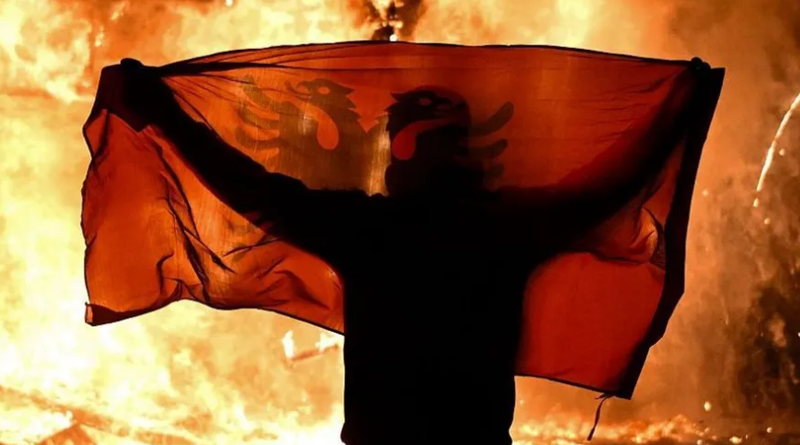
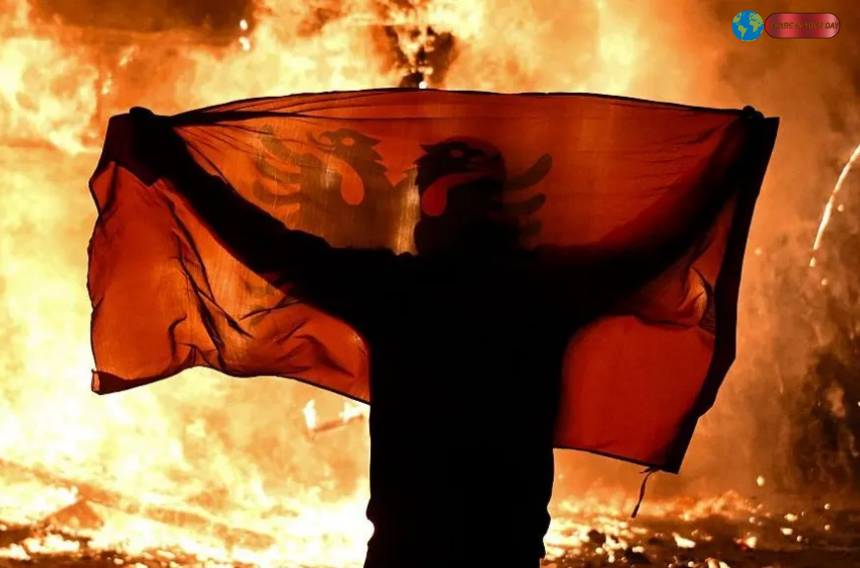
Albania protests turned violent as demonstrations spread across several major cities, with students and other demonstrators taking to the streets over education costs, rising living expenses and dissatisfaction with the government. Clashes between protesters and anti-riot police marked a serious escalation in the unrest, while attacks on government buildings and private businesses added to concerns about public order.
The demonstrations began as a student movement calling for action to make education more affordable. However, the protests quickly grew into a wider expression of public frustration, with demands for political accountability and the resignation of Prime Minister Edi Rama.
According to BBC News reporting published on October 16, 2026, the unrest extended beyond the capital, Tirana, to other major cities, including Durrës, Shkodër, Korçë and Vlorë.
Albania Protests Turn Violent as Clashes Spread
Tirana has experienced months of anti-government demonstrations associated with a movement known as Flamingo. However, the latest protests have taken on a different scale, with larger crowds and more confrontational scenes reported across the country.
What initially appeared to be a campaign focused on student concerns developed into a broader challenge to the government. Demonstrators raised questions about the affordability of university education, the price of books and the increasing cost of everyday necessities.
As the crowds grew, confrontations broke out between protesters and police officers. Some masked demonstrators reportedly threw stones, while officers responded with water cannon, tear gas and batons.
The clashes also coincided with reports of attacks on government buildings and damage to private businesses. These incidents increased pressure on authorities to restore order while responding to the concerns driving the demonstrations.
The spread of protests to multiple cities suggests that the unrest is no longer limited to a single location. Nevertheless, the scale and motivations of demonstrations may differ between communities, and further developments will determine whether the movement continues to expand.
1. Students Raise Concerns About Education Costs
The high cost of education has been one of the main issues behind the demonstrations.
Students have demanded government action to reduce the financial burden associated with university fees and educational materials. For young people from lower-income households, these expenses can create significant barriers to pursuing higher education.
The price of books and other essential materials adds to the pressure, particularly when families are also struggling with rising living costs.
Students have therefore called for measures that would make education more accessible and reduce the financial difficulties faced by young people.
However, the demonstrations have grown beyond these immediate demands. As more people joined the movement, dissatisfaction with the government’s wider record became increasingly visible.
The expansion of the protests highlights how specific policy concerns can develop into broader political movements when demonstrators believe their grievances are not being adequately addressed.
2. Police Use Tear Gas and Water Cannon
The confrontation between demonstrators and security forces has become a defining feature of the unrest.
Police used tear gas, water cannon and batons to disperse crowds during clashes in Tirana. Some protesters reportedly threw stones at officers, contributing to the escalation.
The use of force has raised concerns about public safety and the risk of further confrontations if demonstrations continue.
Authorities face the challenge of protecting government buildings, businesses and members of the public while managing large crowds. At the same time, protesters have continued to demand changes to government policy and leadership.
The circumstances surrounding individual incidents remain important when assessing responsibility for violence. Reports of clashes do not establish that every participant engaged in unlawful conduct, just as the use of police force does not by itself determine whether particular actions were justified.
Further information from authorities and independent reporting will be important in establishing the full circumstances of the confrontations.
3. Protests Spread Beyond Tirana
Although Tirana has remained the principal focus of the demonstrations, unrest has also been reported in Durrës, Shkodër, Korçë and Vlorë.
The spread of demonstrations across several cities indicates that concerns about education costs and living expenses have resonated beyond the capital.
Different communities may face different economic pressures, but the protests have created a shared platform for expressing dissatisfaction with government policies.
The involvement of demonstrators in multiple urban centres also complicates the authorities’ response. Security forces must monitor developments in different locations while seeking to prevent further damage and maintain public order.
It remains uncertain whether the movement will continue growing or whether the government will be able to reduce tensions through policy changes or dialogue.
4. Edi Rama Faces Growing Political Pressure
Prime Minister Edi Rama has faced increasing criticism as the demonstrations have expanded.
Protesters have called for his resignation, linking their demands to concerns about government accountability, economic pressures and the country’s political direction.
The demands present a challenge for Rama’s administration, which has continued to pursue Albania’s ambition of joining the European Union.
However, the government and its critics differ over how political change should occur. Rama has maintained that governments should be changed through democratic elections rather than street demonstrations.
The growing unrest nevertheless places renewed attention on the relationship between political leadership and public confidence.
Whether the demonstrations translate into lasting political change will depend on several factors, including the government’s response, the movement’s ability to maintain public support and developments within the country’s political institutions.
5. Albania’s European Union Ambitions Face Scrutiny
Albania’s political stability is particularly significant because the country is seeking membership in the European Union.
The accession process requires progress on institutional reform, the rule of law and public administration. Concerns about corruption and political accountability have therefore remained important in discussions about the country’s European future.
The current unrest adds another challenge for the government as it attempts to demonstrate progress towards its European ambitions.
However, protests do not automatically determine the outcome of accession negotiations. The process depends on formal assessments, reforms and decisions by Albania and EU institutions.
The demonstrations nevertheless highlight the importance of addressing public concerns alongside long-term political objectives. For many young Albanians, access to affordable education and better economic opportunities remains central to their expectations for the future.
What Happens Next?
The immediate priority is preventing further violence while addressing the issues that have brought demonstrators into the streets.
The government faces pressure to respond to demands concerning education expenses and living costs. Meanwhile, police must manage continuing demonstrations and investigate reported incidents of violence and property damage.
Whether dialogue can reduce tensions remains uncertain. Protesters demanding political change may be unwilling to accept limited policy adjustments, while the government has not indicated that it will step down in response to demonstrations.
The coming days will provide a clearer picture of whether the movement maintains its momentum and whether officials announce measures to address the grievances raised by students and other demonstrators.
For now, Albania’s unrest reflects a combination of economic frustration, demands for educational reform and wider political dissatisfaction.
Conclusion: The Albania protests have developed from student demonstrations into a broader challenge to the government. As clashes spread across major cities, the authorities face growing pressure to restore calm and respond to public concerns. The movement’s eventual impact will depend on how both the government and demonstrators respond to the escalating situation.