Iran Fires Missiles at Israel and Gulf States After US-Israeli Strike, Escalating Regional Conflict
Washington — Iran launched a significant barrage of missiles and drones on Sunday targeting Israel and several Gulf Arab states in retaliation for a joint United States-Israeli military strike that killed Iranian Supreme Leader Ayatollah Ali Khamenei, according to NPR and Associated Press reports. The exchanges have heightened fears of a broader regional war and triggered emergency responses from governments across the Middle East.
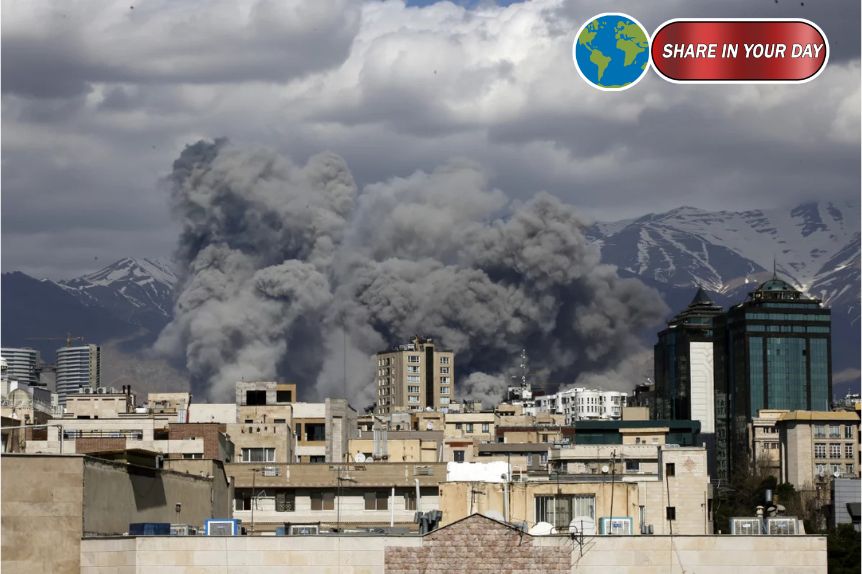
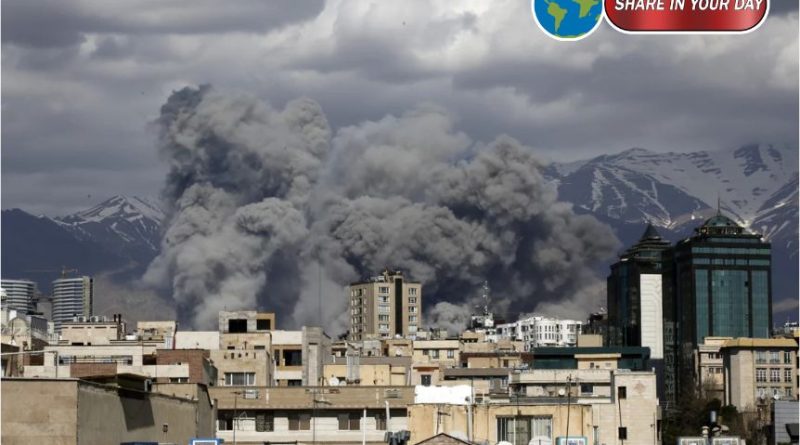
Satellite images and eyewitness accounts show smoke plumes over major cities, including the Gulf capital of Manama in Bahrain where missiles reportedly struck near the U.S. Navy’s Fifth Fleet headquarters, a key strategic base for American military operations in the region.
Tehran Responds to “Great Crime” with Raw Retaliation
The latest round of conflict began after an airstrike on February 28 by U.S. and Israeli forces targeted key military, intelligence and government installations across Iran, including sites linked to the upper echelon of its leadership. Tehran confirmed the death of Supreme Leader Ali Khamenei, an event that has sent shockwaves through the Islamic Republic and across the globe.
In a televised address, Iran’s parliamentary speaker called the strikes a “great crime” and promised massive retaliation. “You have crossed our red line and must pay the price,” he said, pledging what Tehran described as its most intense offensive ever.
Shortly thereafter, Iran’s armed forces began firing missiles and deploying drones toward Israeli territory and U.S. military installations in Bahrain, Kuwait, Qatar and other Gulf states. The Israeli military acknowledged it was under missile attack, and its air defense systems were activated to intercept incoming projectiles.
Bahrain Among Key Targets
The strategic island kingdom of Bahrain — home to the U.S. Fifth Fleet — saw explosions and rising smoke over parts of Manama as Iranian missiles struck military zones near the naval base. Gulf governments reported intercepting many incoming missiles, but some debris caused damage beyond military installations.
Regional airlines canceled flights, and several countries activated emergency air defense protocols. Civilian infrastructure, including parts of Dubai International Airport and other Gulf transport hubs, experienced disruptions amid the salvo of Iranian attacks.
Global and Domestic Reactions
The strike on Iran and subsequent retaliation have drawn mixed responses internationally. U.S. President Donald Trump — who framed the original operation as aimed at undermining Tehran’s military capabilities and “empowering the Iranian people” — issued stern warnings that any further escalation would be met with “a force that has never been seen before.”
Within Iran, the sudden death of Khamenei caused a profound political shock. State media announced nationwide mourning, and crowds gathered in Tehran and other cities both in grief and defiance. Officials quickly formed an interim governing council to oversee the transition of power, while Tehran’s leadership vowed to continue resisting foreign military pressure.
A Region on Edge
The back-and-forth military actions have already begun to reshape life across the Middle East. In addition to the Gulf militaries on high alert, global markets have shown volatility, with oil prices surging amid fears of disruptions near the Strait of Hormuz, a critical chokepoint for world energy supplies.
As these developments unfold, diplomats and analysts warn that the risk of wider conflict involving neighboring states and international actors remains elevated. For now, governments and populations across the Middle East are bracing for further escalations, even as efforts continue behind the scenes to contain the crisis.