United Airlines Q1 2026 Earnings Show Strong Performance Amid Rising Pressure
United Airlines Q1 2026 earnings delivered a stronger-than-expected financial performance, highlighting solid demand in air travel even as rising fuel costs begin to weigh on future profitability expectations. The airline reported higher revenue, improved operational efficiency, and better-than-forecast earnings per share, but also warned investors about a more challenging outlook ahead due to external cost pressures.
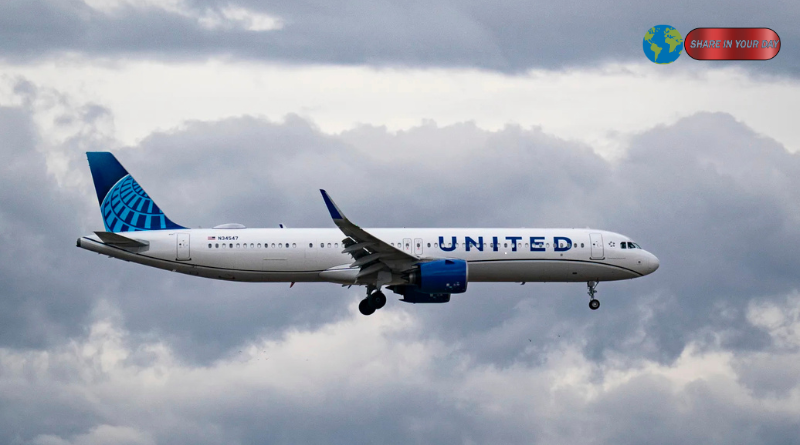
The United Airlines Q1 2026 earnings report reflects a mixed but resilient performance: strong customer demand and premium travel growth on one side, and increasing macroeconomic uncertainty on the other.
Strong Revenue Growth Beats Wall Street Expectations
United Airlines reported total revenue of approximately $14.61 billion, marking a double-digit year-over-year increase and surpassing analyst expectations.
This growth was driven by several key segments:
- Premium cabin demand increased significantly
- Basic economy travel also saw steady expansion
- Corporate and international travel continued recovering
Premium revenue alone grew by around 14%, showing that high-value travelers remain a core driver of airline profitability.
The airline’s ability to outperform expectations in revenue highlights continued resilience in global travel demand despite broader economic uncertainty.
Earnings Per Share Surpasses Forecasts
Adjusted earnings per share (EPS) came in at $1.19, beating Wall Street expectations of roughly $1.07–$1.10.
This earnings beat was driven by:
- Strong pricing power in premium cabins
- Improved load factors across key routes
- Operational efficiency gains
- Higher-than-expected passenger demand
Net income also saw a strong increase year-over-year, reflecting improved profitability despite rising input costs.
Overall, the company demonstrated that it can still generate solid profits even in a volatile cost environment.
Jet Fuel Costs Become a Major Challenge
Despite the strong quarterly results, United Airlines flagged a significant headwind: rising jet fuel prices.
Fuel expenses increased sharply during the quarter, adding hundreds of millions of dollars in additional costs. These rising expenses are largely linked to global supply disruptions and geopolitical tensions affecting oil markets.
The airline warned that:
- Fuel costs could remain elevated through 2026
- Profit margins may face continued pressure
- Future earnings guidance may be revised downward if conditions persist
This cost pressure is one of the most important risks facing the airline industry in 2026.
Full-Year Outlook Lowered
One of the most important takeaways from the United Airlines Q1 2026 earnings report is the revised full-year guidance.
United reduced its forecast for 2026 adjusted earnings per share to a range of $7 to $11, down from earlier projections of $12 to $14.
The revised outlook reflects:
- Higher-than-expected fuel expenses
- Increased operational costs
- Cautious expectations for economic conditions
- Industry-wide capacity adjustments
This downgrade signals that while demand remains strong, profitability is becoming more sensitive to external cost pressures.
Capacity Adjustments and Strategic Response
In response to rising costs, United Airlines announced plans to adjust its flight capacity strategy for the remainder of 2026.
Key strategic changes include:
- Slower capacity growth in the second half of the year
- Potential route optimization
- Focus on high-margin routes
- Continued expansion of premium services
These adjustments are designed to protect profitability while maintaining competitive positioning in a challenging environment.
The airline is prioritizing efficiency over aggressive expansion, a strategy increasingly common across the global airline industry.
Industry-Wide Pressure on Airlines
United is not alone in facing these challenges. The broader airline industry is experiencing similar trends:
- Rising fuel costs impacting margins
- Mixed global economic outlook
- Strong premium travel demand
- Weakening expectations for economy-class growth
Other major carriers are also revising forecasts and reducing capacity plans to adapt to cost pressures.
This suggests that 2026 may be a transition year for airlines, where demand remains healthy but profitability becomes more volatile.
Strong Premium Travel Demand Supports Growth
Despite challenges, one of the strongest positives in the report is continued demand for premium travel.
Business and luxury travelers are driving:
- Higher ticket prices
- Increased revenue per seat
- Strong loyalty program performance
United’s focus on premium cabins and loyalty programs continues to be a key competitive advantage.
This segment is helping offset some of the pressure from rising fuel and operational costs.
Investor Reaction and Market Sentiment
Following the earnings release, investor sentiment remained mixed.
On one hand:
- Revenue and EPS beats were strong
- Premium travel growth was encouraging
- Operational performance exceeded expectations
On the other hand:
- Lower guidance raised concerns
- Fuel cost pressures remain unresolved
- Industry outlook remains uncertain
Overall, investors are balancing strong current performance with caution about future earnings stability.
Outlook for United Airlines in 2026
Looking ahead, United Airlines faces a complex operating environment.
Key factors shaping its outlook include:
- Continued strength in premium travel demand
- Persistent volatility in fuel prices
- Strategic capacity management decisions
- Global economic and geopolitical uncertainty
The airline’s success in 2026 will largely depend on its ability to maintain pricing power while controlling costs in a volatile energy market.
Conclusion
The United Airlines Q1 2026 earnings report presents a clear dual narrative: strong operational performance in the present, but increasing caution for the future.
While the airline successfully beat revenue and earnings expectations, rising fuel costs and a downgraded outlook highlight growing pressure on the industry. United’s focus on premium travel and disciplined capacity management will be key factors in navigating the rest of 2026.
In short, United Airlines remains financially strong today—but faces a more uncertain road ahead.