Oil Surges as Iran War Sends Shockwaves Through Global Markets
Global markets are grappling with renewed uncertainty as the escalating conflict involving Iran, Israel and the United States sends oil prices sharply higher and threatens to disrupt a vital artery of the world’s energy supply.
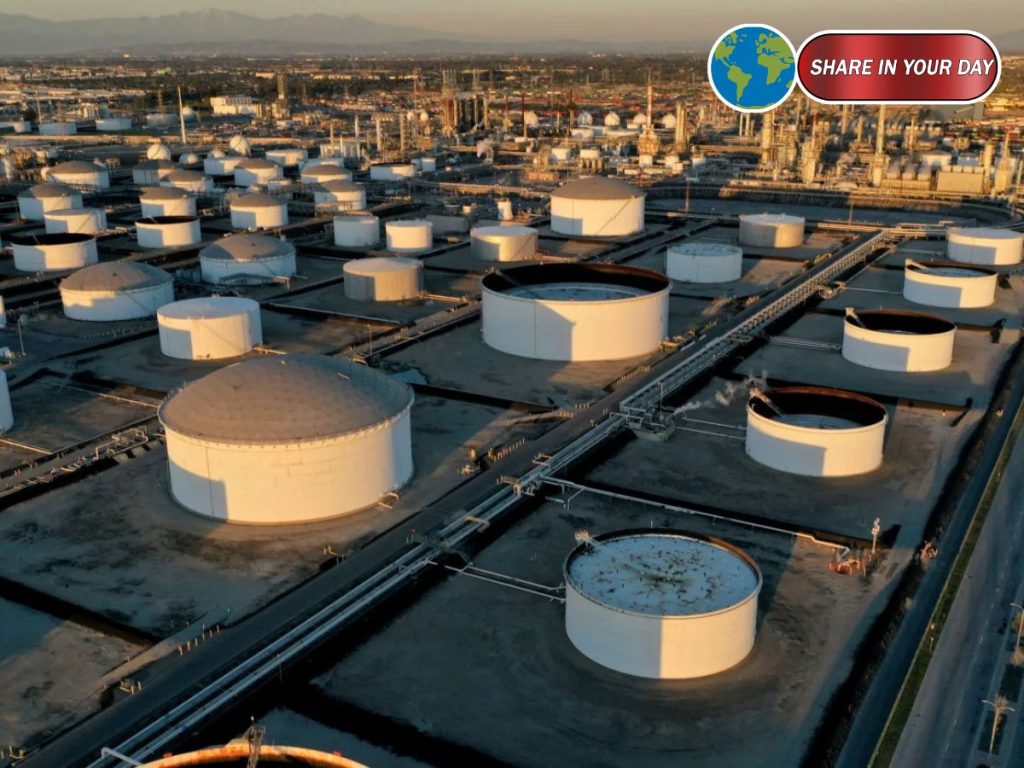
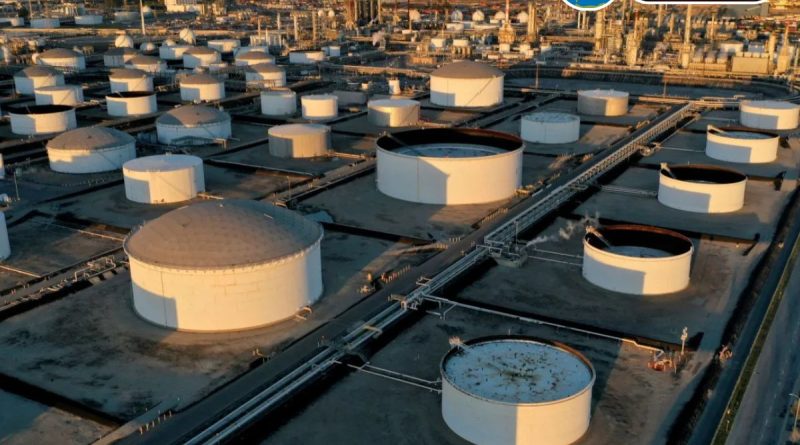
Crude oil prices have surged past $80 per barrel, fueled by fears that the widening war could severely limit shipments through the Strait of Hormuz, a narrow maritime passage responsible for roughly one-fifth of global oil and gas trade.
For investors and policymakers alike, the stakes are enormous. A prolonged disruption to the region’s energy infrastructure could ripple across global markets, intensifying inflation risks and slowing economic growth worldwide.
A War That Reshaped the Energy Landscape
The latest surge in oil prices follows a dramatic escalation in the Middle East that began in late February, when coordinated military strikes by Israel and the United States targeted sites across Iran.
The offensive triggered a rapid response from Tehran. Iran launched waves of missiles and drones at regional targets, including U.S. bases and infrastructure across the Persian Gulf. The confrontation has since spread across multiple fronts, drawing in regional militias and threatening critical shipping routes.
Perhaps the most consequential development for global markets has been the crisis surrounding the Strait of Hormuz. Iran warned vessels against entering the strategic corridor and attacks on nearby tankers forced shipping companies to halt or reroute traffic.
At one point, maritime transit through the strait nearly stopped entirely, with more than 150 ships waiting outside the passage due to safety concerns.
Because the strait handles about 20% of the world’s oil supply, even temporary disruptions can trigger significant volatility in global energy markets.
Markets React With Volatility
Financial markets have reacted swiftly to the geopolitical shock.
Oil prices jumped more than 10% in early trading following the outbreak of hostilities, as traders priced in the risk of a prolonged supply crunch. Analysts warn that if the conflict continues to intensify, crude could climb toward $100 per barrel or higher.
Such price spikes carry implications far beyond energy companies. Higher oil costs typically feed into rising transportation, manufacturing and food prices, raising inflation pressures at a time when many economies are already struggling with elevated living costs.
For central banks, the crisis could complicate monetary policy decisions, particularly if higher fuel costs begin to ripple through consumer prices.
Supply Chains Under Pressure
The energy shock is only one dimension of the economic fallout.
Shipping disruptions linked to the conflict have already forced several major container shipping companies to suspend routes through key Middle Eastern waterways. Some vessels are being diverted around Africa’s Cape of Good Hope, adding weeks to transit times and increasing transportation costs.
Insurance premiums for vessels operating in the region have also surged, reflecting heightened risks to crews and cargo.
These disruptions could place further strain on global supply chains that have only recently stabilized after years of pandemic-era turmoil and geopolitical tensions.
Investors Seek Safety
The geopolitical escalation has prompted a familiar reaction across financial markets: a shift toward safer assets.
Investors are increasingly turning to traditional safe havens such as gold and U.S. Treasury bonds as uncertainty spreads. Meanwhile, equities tied to energy production have benefited from rising crude prices, while sectors vulnerable to fuel costs — including airlines and transportation — face renewed pressure.
Market strategists say the trajectory of the conflict will likely determine how long the volatility persists.
“If tensions escalate further or the Strait of Hormuz remains effectively closed, the impact could be severe,” analysts have warned.
Broader Economic Risks
Economists say the greatest danger lies in the potential for the conflict to become a prolonged regional war.
In addition to the direct military confrontation between Iran and Israel, allied groups across the Middle East have become increasingly involved. Hezbollah fighters in Lebanon have launched attacks on Israel, opening another front in the broader conflict.
A prolonged conflict could deepen energy supply disruptions and potentially drag major global powers further into the crisis.
The economic consequences could be significant. Analysts have warned that sustained oil price spikes could contribute to higher global inflation and increased recession risks, particularly in energy-dependent economies.
Governments Monitor the Situation
Governments around the world are closely monitoring developments in the region, particularly as the conflict threatens critical infrastructure and transportation routes.
Diplomatic efforts to de-escalate tensions are ongoing, but the situation remains highly fluid. Military operations continue across the region, and both sides have signaled that further strikes may follow.
For global markets, the immediate focus remains on energy flows. Any sustained interruption to oil shipments through the Strait of Hormuz could reshape supply dynamics for months — or even years.
The Market’s Next Test
For now, investors are bracing for continued volatility.
Energy traders will be watching tanker movements and shipping activity in the Persian Gulf, while policymakers assess how rising oil prices may influence inflation and economic growth.
The conflict has already demonstrated how quickly geopolitical shocks can reverberate across global markets. If tensions escalate further, the ripple effects could reach far beyond the Middle East — touching everything from fuel prices at the pump to financial markets around the world.