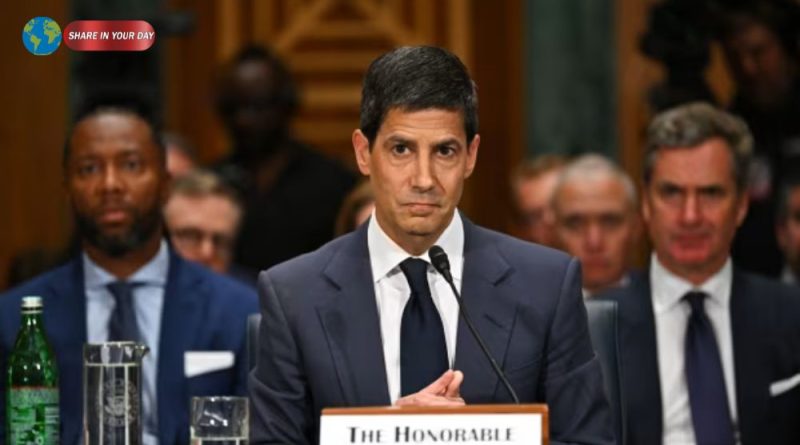
Kevin Warsh Fed Hearing: 5 Powerful Market Signals
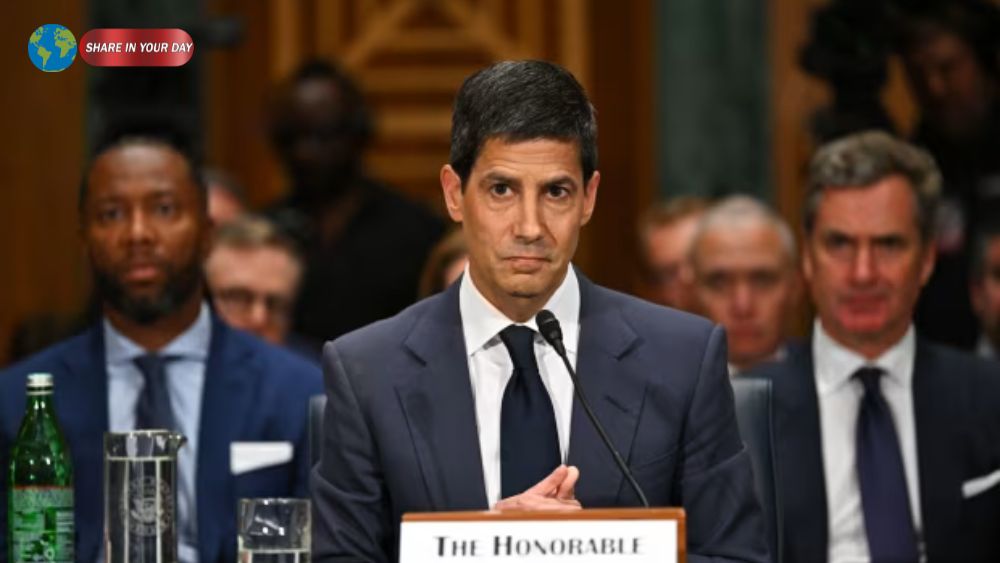
The Kevin Warsh Fed hearing has emerged as a defining moment for the future of U.S. monetary policy. Investors, lawmakers, and economists are closely analyzing every statement as Warsh outlines his vision for the Federal Reserve.
While the hearing did not produce immediate policy changes, it delivered several powerful signals. These signals could shape interest rates, inflation strategy, and financial markets for years to come.
What Is the Kevin Warsh Fed Hearing About?
The Kevin Warsh Fed hearing centers on his potential leadership role at the Federal Reserve. As a former Fed governor and a prominent economic voice, Warsh is widely viewed as a candidate capable of reshaping the institution.
During the hearing, he focused on restoring clarity, discipline, and accountability within the central bank. His message was clear: the Fed must return to its core mission.
That mission includes controlling inflation and supporting employment—without expanding into broader policy areas.
Signal #1: A Strong Commitment to Fighting Inflation
One of the clearest messages from the Kevin Warsh Fed hearing is his firm stance on inflation.
Warsh emphasized that inflation control is not optional. Instead, it is a deliberate policy choice that requires decisive action.
He indicated that:
- Price stability must come first
- The Fed must take responsibility for outcomes
- Policy decisions should not rely on uncertain forecasts
This approach suggests a more disciplined and possibly stricter monetary policy.
Meanwhile, markets interpreted this as a sign that interest rates could remain elevated if inflation persists.
Signal #2: Major Reform Plans for the Federal Reserve
Another key takeaway from the Kevin Warsh Fed hearing is his push for structural reform.
Warsh argued that the Federal Reserve has expanded its role too far in recent years. Therefore, he proposed a reset.
Key reform ideas include:
- Reducing reliance on forward guidance
- Improving communication clarity
- Refocusing on core economic goals
He also suggested reviewing how the Fed interacts with financial markets.
This proposal could mark a significant shift in how monetary policy is communicated and executed.
Signal #3: A Smaller Fed Balance Sheet Ahead
The Kevin Warsh Fed hearing also highlighted concerns about the Fed’s massive balance sheet.
Over the past decade, the central bank has accumulated trillions of dollars in assets. Warsh argued that this creates distortions in financial markets.
He proposed:
- Gradually reducing asset holdings
- Limiting long-term market intervention
- Restoring a more traditional policy framework
However, analysts caution that shrinking the balance sheet will take time and could introduce market volatility.
Signal #4: Independence Under Political Pressure
During the Kevin Warsh Fed hearing, lawmakers pressed him on political independence.
Because of his ties to former President Donald Trump, concerns have emerged about potential influence over policy decisions.
Warsh responded by firmly stating that:
- The Federal Reserve must remain independent
- Decisions should be based on data, not politics
- He has made no promises regarding interest rates
This reassurance is critical. Markets depend on confidence that monetary policy remains free from political interference.
Signal #5: Market Reaction Remains Cautious
The immediate reaction to the Kevin Warsh Fed hearing was measured.
Financial markets did not show extreme volatility. However, there were subtle shifts:
- Stocks showed slight weakness
- Bond yields remained relatively stable
- Investors adopted a wait-and-see approach
To give context, here’s a snapshot of how a major market benchmark is behaving:
Overall, traders appear to be pricing in uncertainty rather than immediate change.
How AI Fits Into Warsh’s Economic Vision
Interestingly, the Kevin Warsh Fed hearing also touched on artificial intelligence.
Warsh suggested that AI could:
- Boost productivity across industries
- Reduce long-term inflation pressures
- Transform economic growth patterns
However, he acknowledged that the Fed still lacks a full understanding of AI’s impact.
Therefore, future policy decisions may need to adapt as more data becomes available.
Why the Kevin Warsh Fed Hearing Matters Globally
The impact of the Kevin Warsh Fed hearing extends beyond the United States.
Global markets closely follow Federal Reserve policy because:
- U.S. interest rates influence global capital flows
- The dollar remains the world’s dominant reserve currency
- Fed decisions affect emerging markets and trade
For countries in Southeast Asia, including Cambodia, shifts in U.S. policy can impact:
- Currency stability
- Investment flows
- Inflation trends
Therefore, the implications are far-reaching.
Expert Reactions to the Hearing
Economists and analysts have offered mixed reactions to the Kevin Warsh Fed hearing.
Supportive Views
Some experts praise his focus on discipline and reform. They argue that a more structured Fed could improve long-term stability.
Critical Views
Others point out that his proposals lack detailed execution plans. They also warn that rapid changes could disrupt markets.
Despite these differences, most agree that Warsh represents a shift in thinking.
Potential Scenarios Moving Forward
The Kevin Warsh Fed hearing sets the stage for several possible outcomes.
1. Gradual Policy Tightening
If inflation remains high, the Fed could maintain higher rates for longer.
2. Institutional Reform
Warsh’s ideas could lead to changes in how the Fed communicates and operates.
3. Market Volatility
Uncertainty about policy direction may lead to short-term fluctuations.
Key Lessons from the Kevin Warsh Fed Hearing
The hearing offers several important insights:
Clarity Matters
Clear communication is essential for maintaining market confidence.
Independence Is Critical
The Fed must remain free from political pressure.
Long-Term Thinking Wins
Short-term fixes are less effective than consistent, disciplined policy.
Conclusion
The Kevin Warsh Fed hearing has delivered a powerful message about the future of monetary policy.
While immediate changes are unlikely, the long-term implications are significant. Warsh’s vision points toward a more disciplined, focused, and potentially conservative Federal Reserve.
For investors, businesses, and governments, the message is clear: prepare for a policy environment that prioritizes stability over short-term growth.
As the situation develops, markets will continue to watch closely. The decisions made in the coming months could define the next chapter of the global economy.