Trump Pressures Allies as Iran Disrupts Strait of Hormuz, Sending Oil Markets into Turmoil
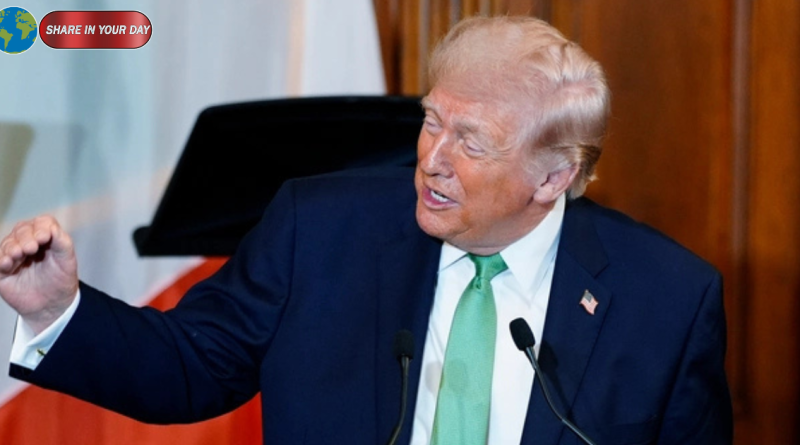
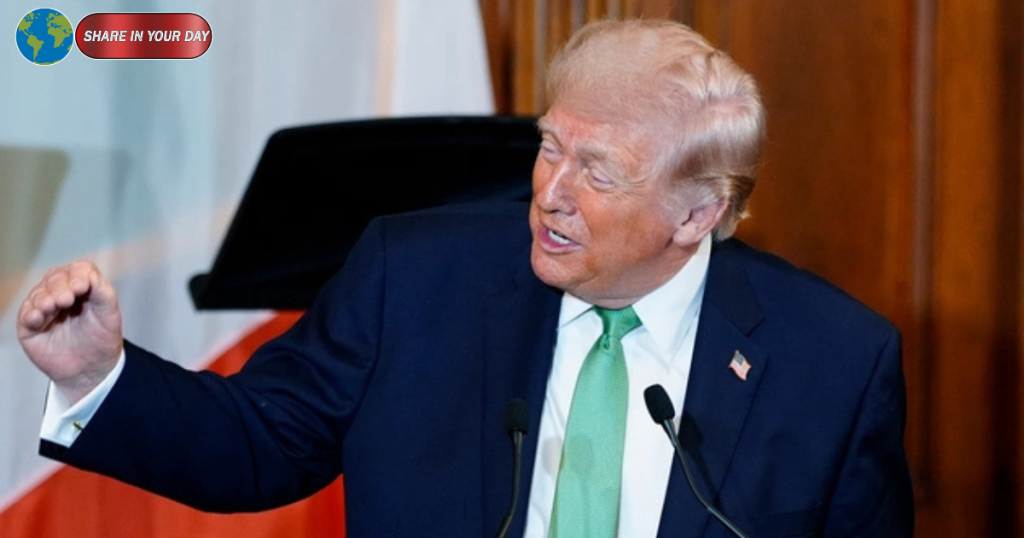
A growing geopolitical crisis in the Middle East is rippling across global energy markets, as former U.S. President Donald Trump intensifies pressure on international allies to respond to Iran’s disruption of the Strait of Hormuz — one of the world’s most critical oil arteries.
The narrow waterway, which carries roughly one-fifth of global oil shipments, has become a focal point of the escalating conflict between the United States, Israel, and Iran.
A Strategic Chokepoint Under Threat
Iran has effectively halted much of the traffic through the strait, deploying mines and launching attacks on vessels in response to U.S. and Israeli military operations.
The disruption has sent shockwaves through global markets, with oil prices climbing sharply amid fears of prolonged supply shortages. Analysts warn that continued instability could push prices significantly higher, intensifying inflationary pressures worldwide.
Shipping activity has dropped dramatically, with vessels either rerouting or remaining stranded as security risks escalate in the region.
Trump Calls for Allied Intervention
In response, Trump has urged both NATO members and key Asian economies to contribute naval forces to secure the waterway and restore safe passage for commercial shipping.
But the appeal has largely been met with resistance.Several allies, including major European nations, have declined to join a U.S.-led effort, citing concerns over being drawn into a broader regional conflict they did not initiate.
NATO has also maintained its position as a defensive alliance, signaling reluctance to engage directly in the crisis.
Trump has publicly criticized the lack of support, warning that the United States may reassess its relationships with allies unwilling to participate.
Rising Frustration in Washington
The standoff has exposed growing tensions between Washington and its traditional partners, with Trump expressing frustration at what he views as an imbalance in global security responsibilities.
At the same time, the administration has signaled it may be prepared to act unilaterally if international backing does not materialize.
Despite early claims that the U.S. could manage the situation independently, Trump has increasingly emphasized the need for shared action — particularly from countries heavily dependent on Gulf energy supplies.
Military Escalation and Uncertain Outcomes
The crisis follows a series of U.S. strikes targeting Iranian military infrastructure, including key facilities linked to maritime operations in the Gulf.
Iran, however, retains the capability to disrupt shipping through asymmetric tactics, including drones, missiles, and naval mines — tools that have already proven effective in limiting traffic through the strait.
Experts caution that even a coordinated naval presence may not fully guarantee safe passage, highlighting the complexity of reopening the waterway under active threat.
Global Economic Stakes
Beyond the immediate military concerns, the crisis underscores the fragile nature of global energy supply chains.
The Strait of Hormuz serves as a vital conduit not only for crude oil but also for liquefied natural gas and other critical resources. Any sustained disruption risks cascading effects across industries — from transportation to manufacturing and food production.
With a significant portion of global trade passing through the region, even short-term interruptions can have far-reaching economic consequences.
A Test of Global Cooperation
As the situation unfolds, the question remains whether international coordination can be achieved to stabilize the region — or whether the crisis will deepen divisions among major powers.
For now, the Strait of Hormuz stands as both a strategic battleground and a symbol of broader geopolitical uncertainty.
And with oil markets already reacting sharply, the stakes extend far beyond the Middle East — reaching into the daily lives of consumers and economies around the world.