Pakistan Iran US Mediation Gains Global Attention
The phrase Pakistan Iran US mediation has rapidly become one of the most critical geopolitical storylines of 2026, as Islamabad positions itself at the center of efforts to de-escalate a dangerous conflict between Washington and Tehran.
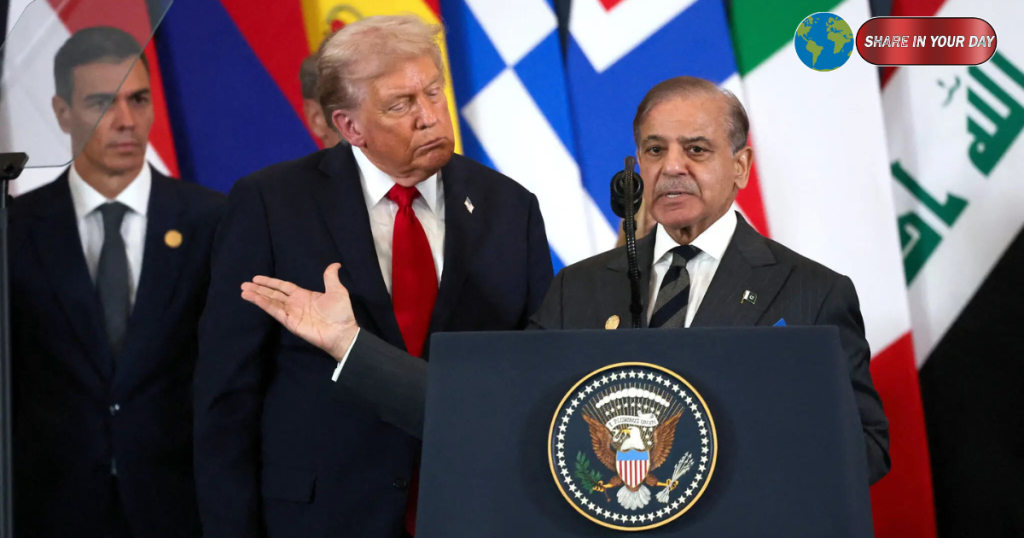
Amid an ongoing war that has shaken global energy markets and heightened fears of a broader regional crisis, Pakistan’s diplomatic push to mediate between the United States and Iran is drawing intense international scrutiny. While official negotiations remain uncertain, multiple reports confirm that backchannel discussions are underway, with Pakistan acting as a key intermediary.
A War Driving Urgent Diplomacy
The mediation efforts come against the backdrop of a rapidly escalating conflict that began in late February 2026, when U.S. and Israeli strikes targeted Iranian military infrastructure. The situation intensified further after the assassination of Iran’s Supreme Leader, triggering retaliation across the region and widespread instability.
Since then, the conflict has expanded into a broader confrontation affecting critical global shipping routes, particularly the Strait of Hormuz—through which a significant portion of the world’s oil supply passes.
The United States has conducted major military operations aimed at reopening the strategic waterway, while Iran has maintained a firm stance, resisting external pressure.
Against this volatile backdrop, diplomatic intervention has become increasingly urgent.
Pakistan Steps Into a Strategic Role
Pakistan’s emergence as a mediator is not accidental. The country occupies a unique geopolitical position, maintaining relationships with both the United States and Iran while also holding influence within the broader Muslim world.
Recent reports indicate that Pakistan has actively relayed messages between Washington and Tehran, facilitating indirect communication at a time when direct talks remain politically sensitive.
Islamabad has also offered to host potential negotiations, positioning its capital as a neutral ground for dialogue.
Moreover, Pakistan’s leadership—including Prime Minister Shehbaz Sharif and military chief Asim Munir—has engaged directly with both sides, emphasizing the need for de-escalation and diplomatic resolution.
This dual-track engagement—civilian and military—has strengthened Pakistan’s credibility as a mediator.
5 Key Developments in Pakistan Iran US Mediation
1. Islamabad Emerges as Potential Negotiation Hub
One of the most significant developments is the possibility of hosting talks in Islamabad. Diplomatic sources suggest that both sides view Pakistan as a relatively neutral venue capable of facilitating sensitive discussions.
While no official meeting has been confirmed, the proposal itself signals growing momentum toward dialogue.
2. Backchannel Talks Already Underway
Despite public denials, evidence suggests that indirect communication between the U.S. and Iran is ongoing.
Countries including Pakistan, Turkey, and Egypt are reportedly acting as intermediaries, conveying proposals and responses between the two sides.
However, Tehran has insisted that no formal negotiations have taken place, highlighting the fragile and unofficial nature of the process.
3. Iran’s Tough Negotiating Position
Iran has adopted a firm stance in any potential talks, demanding significant concessions.
According to senior sources, Tehran seeks guarantees against future military action, compensation for war damages, and control over key strategic assets such as the Strait of Hormuz.
Additionally, Iran has refused to discuss limitations on its ballistic missile program—an issue that has long been a sticking point in U.S.-Iran relations.
This hardline position presents a major challenge for mediators attempting to bridge the gap.
4. U.S. Signals Openness—But Mixed Messaging
The United States has indicated a willingness to engage in diplomacy, with officials referencing ongoing discussions and even proposing a multi-point peace plan.
Some reports suggest that Washington has conveyed proposals to Iran through Pakistan, including the possibility of a temporary ceasefire to allow for negotiations.
However, conflicting statements from U.S. leadership—combined with continued military operations—have created uncertainty about Washington’s long-term strategy.
5. Regional and Global Stakes Are Rising
The mediation effort is not just about bilateral relations—it has far-reaching global implications.
The conflict has already disrupted energy markets, driven oil price volatility, and raised concerns about a wider regional war.
As a result, multiple countries—including Turkey, Egypt, and Gulf states—are supporting mediation efforts, recognizing the need to prevent further escalation.
Pakistan’s role, therefore, is part of a broader international push for stability.
Why Pakistan Is Uniquely Positioned
Several factors explain why Pakistan has emerged as a central mediator:
- Strategic neutrality: Pakistan has avoided direct involvement in the conflict while maintaining ties with both sides
- Regional influence: As a major Muslim-majority country, Pakistan holds diplomatic credibility in the region
- Military and political channels: Islamabad can engage both civilian and defense leadership across countries
- Geographic relevance: Its proximity to the Gulf enhances its role in regional diplomacy
Additionally, Pakistan’s own economic and security interests are closely tied to stability in the Middle East, particularly given its reliance on energy imports.
Challenges Facing Mediation Efforts
Despite its potential, the Pakistan Iran US mediation process faces significant obstacles.
Deep Mistrust
Decades of hostility between the U.S. and Iran continue to complicate negotiations. Previous agreements have collapsed, leaving both sides skeptical of each other’s intentions.
Ongoing Military Operations
Active conflict makes diplomacy more difficult. As long as military actions continue, trust-building remains limited.
Internal Pressures
Both Washington and Tehran face domestic political constraints that influence their negotiating positions.
In Iran, for example, decision-making power has increasingly shifted toward military leadership, further hardening its stance.
The Role of Backchannel Diplomacy
One notable aspect of this situation is the reliance on backchannel communication.
Unlike formal negotiations, these indirect exchanges allow both sides to explore potential compromises without committing publicly.
Pakistan’s role in facilitating these conversations highlights the importance of quiet diplomacy in resolving complex conflicts.
What Happens Next?
The future of the Pakistan Iran US mediation effort remains uncertain.
While early signs suggest a willingness to explore dialogue, significant gaps remain between the two sides.
Key questions include:
- Will formal talks be confirmed in Islamabad?
- Can mediators bridge the gap between U.S. demands and Iran’s conditions?
- How will ongoing military developments influence diplomacy?
Much will depend on whether both sides see negotiation as more beneficial than continued confrontation.
Conclusion
The rise of Pakistan Iran US mediation marks a pivotal moment in the evolving 2026 geopolitical landscape.
As conflict threatens to destabilize the Middle East and disrupt global markets, Pakistan’s role as a mediator offers a potential pathway toward de-escalation.
However, the road to peace remains uncertain.
With deep mistrust, competing demands, and ongoing military operations, the success of these efforts will depend on sustained diplomatic engagement—and a willingness from all sides to compromise.
For now, the world is watching closely as Islamabad attempts to bridge one of the most dangerous divides in modern geopolitics.