Iran War Inflation: 5 Shocking Energy Price Surges
The global economy is facing renewed pressure as Iran war inflation accelerates in 2026, driven largely by surging energy prices and supply disruptions linked to the escalating Middle East conflict. New projections from international organizations show that what began as a regional crisis is now reshaping inflation trends worldwide.

From rising oil costs to weakened economic growth, the ripple effects are being felt across households, industries, and financial markets.
Energy Shock Triggers Global Inflation Surge
At the core of the Iran war inflation spike is a sharp increase in energy prices.
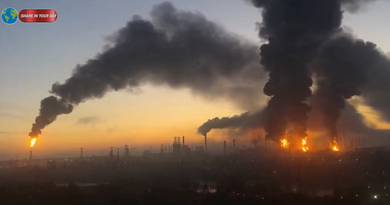
The conflict has disrupted oil and gas production, including key infrastructure strikes and supply chain instability. One major incident—an attack on Iran’s South Pars gas field—cut production and contributed to global price volatility.
Energy markets are highly sensitive to geopolitical risk. As tensions escalate, traders anticipate supply shortages, pushing prices higher—even before actual disruptions fully materialize.
OECD Raises Inflation Forecasts
The Organisation for Economic Co-operation and Development (OECD) has significantly revised its outlook due to the conflict.
According to updated projections:
- Inflation across G20 countries is now expected to reach around 4% in 2026, up sharply from earlier forecasts
- U.S. inflation could climb as high as 4.2%
- Earlier expectations of improving global growth have been reversed
This marks a major shift from late 2025, when inflation appeared to be stabilizing.
1. Oil Prices Drive the Inflation Spike
Oil is the most immediate transmission channel of Iran war inflation.
The Middle East supplies a significant portion of global energy. Any disruption—especially near critical routes like the Strait of Hormuz—can send prices soaring.
Analysts warn that:
- Oil price spikes increase transportation and production costs
- Businesses pass those costs on to consumers
- Inflation spreads across sectors, from food to manufacturing
This chain reaction is already underway in multiple economies.
2. Global Growth Outlook Weakens
The inflation surge is not happening in isolation—it is paired with slowing growth.
The OECD warns that the conflict has effectively erased earlier gains in global economic projections.
Key concerns include:
- Reduced consumer spending due to higher prices
- Lower industrial output as energy costs rise
- Increased risk of economic stagnation
This combination of slow growth and high inflation raises fears of stagflation, a particularly difficult economic condition to manage.
3. Europe Faces Energy Vulnerability
Europe is especially exposed to Iran war inflation due to its reliance on imported energy.
Recent developments show:
- Natural gas prices surged following regional disruptions
- Energy costs are feeding directly into consumer inflation
- Some countries face increased recession risks
In the UK, inflation could exceed 5%, while the eurozone faces downgraded growth forecasts.
4. Supply Chain Disruptions Expand Impact
Beyond oil, the conflict is affecting broader supply chains.
The Middle East is a key supplier of:
- Fertilizer components
- Industrial chemicals
- Critical resources used in manufacturing
Disruptions in these sectors are increasing production costs globally, amplifying inflation pressures.
This means the impact extends far beyond fuel prices alone.
5. Central Banks Face Tough Choices
Rising Iran war inflation puts central banks in a difficult position.
Normally, high inflation would prompt interest rate hikes. However, weak economic growth complicates that response.
Current trends suggest:
- Some central banks may delay rate cuts
- Others may hold rates steady despite slowing economies
- Policy uncertainty is increasing across major economies
This balancing act reflects the complexity of the current crisis.
How Energy Prices Affect Everyday Life
For consumers, Iran war inflation is most visible in daily expenses.
Fuel Costs
Gasoline and transportation costs rise quickly when oil prices increase.
Food Prices
Higher energy costs affect farming, processing, and distribution.
Utility Bills
Electricity and heating costs increase, especially in energy-dependent regions.
These combined effects reduce purchasing power and strain household budgets.
Why This Crisis Is Different
Unlike typical inflation cycles, the current surge is driven by geopolitical conflict rather than domestic economic factors.
This makes it:
- Harder to predict
- More volatile
- Dependent on political and military developments
As a result, traditional economic tools may be less effective in controlling inflation.
Long-Term Risks
If the conflict continues, the impact of Iran war inflation could deepen.
Persistent Energy Shortages
Extended disruptions could lead to long-term supply constraints.
Structural Inflation
Higher costs may become embedded in the global economy.
Economic Instability
Markets could face prolonged uncertainty, affecting investment and growth.
What Happens Next?
The trajectory of Iran war inflation depends largely on geopolitical developments.
Scenario 1: De-escalation
If tensions ease, energy prices could stabilize, reducing inflation pressures.
Scenario 2: Prolonged Conflict
If the war continues, inflation could remain elevated or increase further.
Given current conditions, many analysts expect continued volatility in the near term.
Conclusion
The rise of Iran war inflation in 2026 highlights how geopolitical conflicts can rapidly reshape the global economy.
Driven by energy price shocks, supply chain disruptions, and weakened growth, inflation is once again becoming a central concern for policymakers and consumers alike.
As the situation evolves, the world faces a delicate balance between managing inflation and sustaining economic growth—one that will define the global economy in the months ahead.