Jet Fuel Crisis Revealed: 6-Week Warning Sparks Global Travel Shock
The jet fuel crisis is rapidly becoming one of the most serious threats to global aviation in recent years, as new warnings from energy officials and industry analysts suggest that fuel supplies in parts of Europe may last only a few weeks under current conditions. The situation is being driven by escalating geopolitical tensions in the Middle East, particularly the ongoing war involving Iran and disruptions to key oil shipping routes.
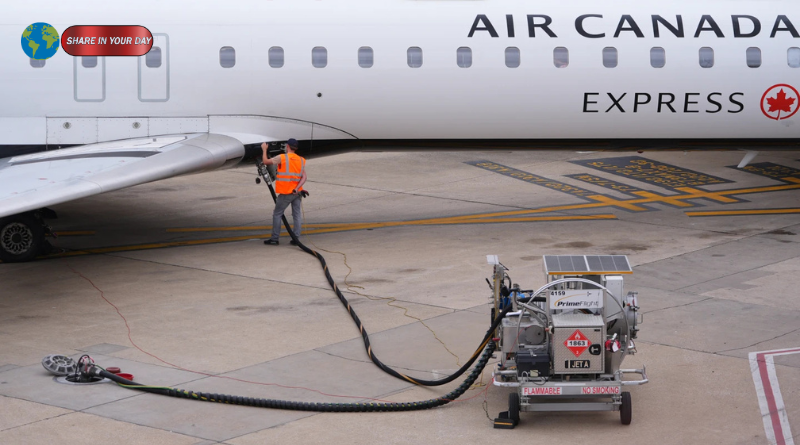
The International Energy Agency (IEA) has raised alarm that Europe could face a severe fuel crunch if supply chains remain blocked, potentially triggering flight cancellations, rising airfare prices, and widespread disruption during the peak summer travel season.
Jet Fuel Crisis Deepens as Supply Routes Collapse
The current jet fuel crisis is largely tied to disruptions in the Strait of Hormuz, one of the world’s most important oil transit chokepoints. This narrow waterway typically handles a significant portion of global oil and jet fuel shipments, especially to Europe and Asia.
According to the IEA, the ongoing conflict involving Iran has significantly restricted shipments through the region. As a result, global fuel distribution has tightened, and inventories in some regions are declining faster than they can be replenished.
Industry experts warn that if the blockade continues, Europe may have only around six weeks of usable jet fuel reserves left before airlines begin facing operational limitations.
This does not mean fuel will disappear completely, but rather that supply buffers could shrink to levels where disruptions become unavoidable.
Airlines Already Feeling Pressure from Rising Costs
Airlines across Europe, Asia, and parts of the Middle East are already responding to rising fuel costs and supply uncertainty. Some carriers have begun cutting less profitable routes, while others are scaling back flight frequencies to conserve fuel and reduce operational risk.
In Europe, airlines such as KLM have already announced flight reductions in response to rising jet fuel costs, signaling early signs of strain within the system.
Low-cost carriers are particularly vulnerable, as their business models depend heavily on stable fuel pricing. Even small increases in jet fuel prices can significantly affect profitability and ticket pricing strategies.
Passengers are already seeing early impacts, including:
- Higher ticket prices on popular routes
- Reduced seat availability on budget airlines
- Fewer last-minute deals for international travel
What Is Causing the Jet Fuel Crisis?
The jet fuel crisis is not caused by a single factor, but rather a combination of geopolitical and supply chain disruptions.
1. Iran War and Regional Instability
The ongoing conflict involving Iran has disrupted oil production and export routes across the Middle East, a region that supplies a large share of global jet fuel.
2. Strait of Hormuz Blockade
The Strait of Hormuz is one of the world’s most critical energy corridors. When shipments through this route are restricted, global oil markets react almost instantly.
3. Global Refining Bottlenecks
Refineries outside the Middle East are struggling to compensate for lost supply. This has created uneven distribution, where some regions still have stockpiles while others face shortages.
4. Rising Global Demand
Despite economic uncertainty, air travel demand remains strong in many regions, especially ahead of peak travel seasons. This demand is colliding directly with constrained supply.
Europe at the Center of the Crisis
Europe is currently the most exposed region in the jet fuel crisis due to its reliance on imported fuel.
Reports suggest that Europe normally imports a significant portion of its jet fuel from the Middle East, making it highly sensitive to disruptions in the Strait of Hormuz.
Energy analysts warn that if current conditions persist, European airports could begin experiencing localized shortages starting within weeks.
However, the situation is uneven across the continent:
- Some countries have relatively stable reserves
- Others rely heavily on imports and are more vulnerable
- Major hubs are better protected than smaller regional airports
This imbalance means disruptions will likely appear in specific routes rather than a total shutdown of air travel.
Global Travel Could Face Major Disruption
If the jet fuel crisis continues to worsen, the aviation industry could experience widespread disruption similar to past global energy shocks—but with more immediate effects on travel.
Possible outcomes include:
- Flight cancellations on long-haul routes
- Reduced flight frequency between continents
- Higher airfare inflation across all major airlines
- Increased reliance on connecting flights instead of direct routes
Airline executives are already warning that capacity reductions may become unavoidable if fuel supply constraints persist into the summer season.
Economic Ripple Effects Beyond Aviation
The impact of the jet fuel crisis is not limited to airlines. Energy analysts warn that the crisis could spread into broader economic sectors.
Higher jet fuel prices typically lead to:
- Increased transportation and logistics costs
- Higher prices for imported goods
- Inflationary pressure on tourism and hospitality sectors
- Reduced consumer spending on travel
Because aviation plays a central role in global commerce, any sustained disruption can quickly spread across industries.
The IEA has described the current situation as one of the most severe energy disruptions in decades, with potential long-term consequences for global economic stability if unresolved.
Travelers Should Expect Higher Prices and Less Flexibility
For passengers, the most immediate impact of the jet fuel crisis will likely be financial and logistical rather than absolute travel bans.
Travelers should expect:
- More expensive airline tickets
- Less flexibility in booking changes
- Fewer low-cost options
- Possible seasonal route cancellations
Airlines are also expected to adjust pricing dynamically, meaning fares could fluctuate significantly depending on fuel market conditions.
Governments and Industry Response
Governments and aviation authorities are beginning to respond to the crisis with emergency planning measures. The European Union, for example, is reportedly working on strategies to increase refinery output and improve fuel distribution efficiency across member states.
At the same time, airlines are lobbying for coordinated policy responses to stabilize fuel supply chains and prevent further disruption to air travel.
Energy experts argue that short-term fixes may not be enough if geopolitical instability continues, emphasizing the need for longer-term diversification of fuel supply sources.
Conclusion: A Crisis That Could Reshape Global Travel
The emerging jet fuel crisis represents a major turning point for the global aviation industry. While immediate shortages are not universal, tightening supply conditions and geopolitical instability are creating a fragile environment for airlines and travelers alike.
If the situation in the Middle East continues to restrict oil flows, the world could see a summer of higher fares, reduced flight availability, and increased uncertainty in international travel.
For now, the aviation industry remains operational—but under increasing pressure that could intensify rapidly in the coming weeks.