Orbán Hungary Election Defeat 2026 Signals End of Political Era
Hungary’s long-standing political landscape has undergone a dramatic shift following Viktor Orbán’s unexpected defeat in the 2026 parliamentary election. The result marks one of the most significant turning points in modern Hungarian politics and raises questions about the future direction of the country within the European Union.
The Orbán Hungary election defeat 2026 has not only ended more than a decade of uninterrupted rule but has also triggered widespread debate about the sustainability of the political system he built over the past 16 years.
A Historic Political Collapse in Hungary
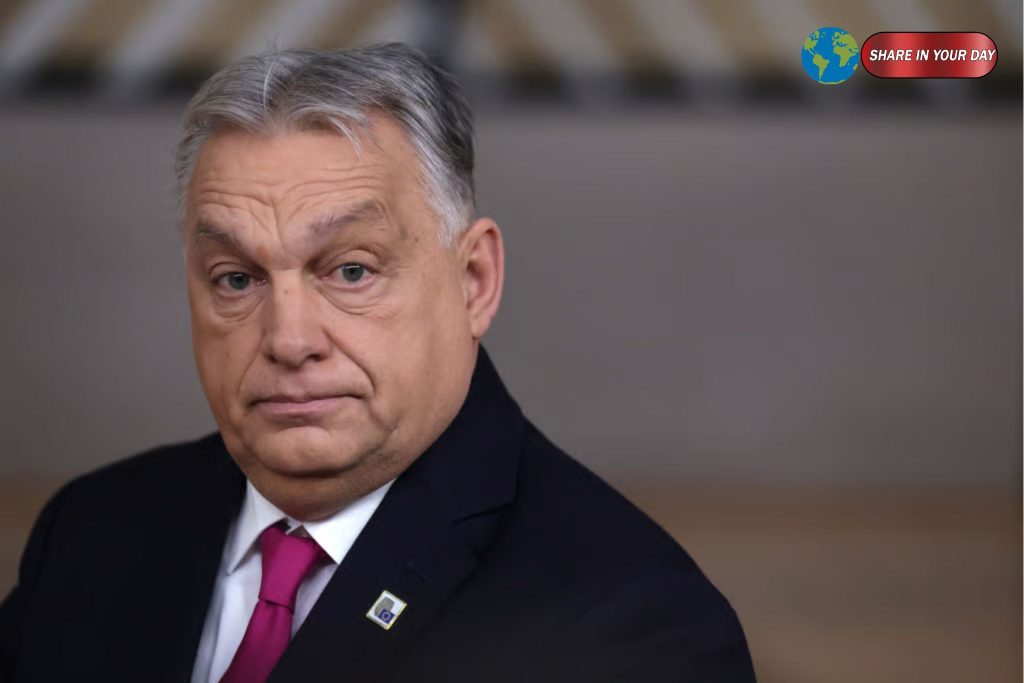
Viktor Orbán, who has dominated Hungarian politics since 2010, conceded defeat following a strong electoral performance by opposition leader Péter Magyar. The result shocked many observers who had long considered Orbán’s position politically secure.
The election outcome represents more than a simple change in leadership. It signals a structural shift in voter sentiment, institutional trust, and political priorities across Hungary. The governing party Fidesz, once seen as nearly unchallengeable, now faces its most serious crisis in decades.
Orbán Breaks Silence After Defeat
Following the results, Orbán publicly acknowledged the defeat, describing it as a “painful moment” for both himself and his party. In his remarks, he emphasized the need for internal reflection and “complete renewal” within Fidesz.
However, despite the loss, Orbán has not announced a full withdrawal from politics. Instead, he has indicated that he may continue to play a leadership role within the party during its transition period. This decision suggests that while his government has fallen, his political influence has not disappeared entirely.
Péter Magyar and the Rise of a New Political Force
The victory of Péter Magyar marks a dramatic rise for a figure once connected to Hungary’s political establishment. His campaign focused heavily on reform, anti-corruption messaging, and restoring institutional independence.
His success reflects growing voter frustration, particularly among younger Hungarians, over issues such as economic pressure, governance transparency, and Hungary’s relationship with the European Union.
Political analysts suggest that Magyar’s win could redefine Hungary’s domestic and foreign policy direction, especially regarding EU cooperation and democratic reforms.
Why Orbán Lost Power
Several key factors contributed to Orbán’s defeat in the Hungary election 2026:
First, economic challenges played a major role. Rising inflation and cost-of-living pressures weakened public confidence in the government’s ability to maintain stability.
Second, long-term concerns about institutional control and media freedom influenced voter sentiment, particularly among urban and younger populations.
Third, the opposition successfully unified behind a single candidate, avoiding the fragmentation that previously benefited Fidesz.
Finally, generational change became a decisive factor, as younger voters increasingly supported political alternatives promising reform and modernization.
The End of an Era in Hungarian Politics
Orbán’s defeat is widely interpreted as the end of a political era that reshaped Hungary’s democratic institutions and international positioning. Since returning to power in 2010, Orbán built a centralized governance model often described as “illiberal democracy.”
His leadership style influenced political movements beyond Hungary, particularly within parts of Europe and the United States. As a result, his electoral defeat carries symbolic weight far beyond national borders.
What Comes Next for Hungary
With a new government expected to form under Péter Magyar, Hungary is likely to undergo significant policy shifts. These may include reforms aimed at strengthening judicial independence, adjusting media regulations, and recalibrating relations with the European Union.
However, the transition is expected to be complex. Orbán’s political network and institutional legacy remain deeply embedded within Hungary’s governance structures.
Observers caution that while electoral power has changed hands, the broader political struggle is far from over.
International Reaction and EU Implications
The result has drawn attention across Europe, where Hungary has often been a controversial member state due to its political stance on rule-of-law issues.
EU officials are expected to closely monitor the new government’s reforms, particularly in areas related to judicial independence and democratic standards.
A shift in Hungary’s leadership could also impact EU decision-making dynamics, especially on issues requiring unanimous agreement among member states.
Conclusion
The Orbán Hungary election defeat 2026 represents a defining moment in the country’s modern history. It marks the end of one of Europe’s most durable political leaderships and the beginning of an uncertain but potentially transformative new chapter.
While Orbán’s influence may not disappear immediately, Hungary is clearly entering a new political phase shaped by change, reform, and heightened international attention.