DJI Ban Osmo Pocket 4: 5 Shocking Impacts Revealed
The DJI Ban Osmo Pocket 4 situation has quickly become one of the most talked-about developments in the global camera industry. What should have been a straightforward product launch has instead turned into a case study in geopolitics, regulation, and market disruption.
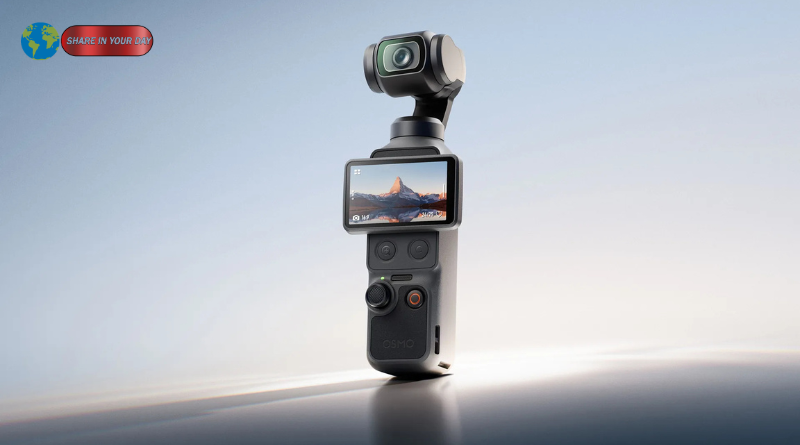
The newly announced Osmo Pocket 4—a compact, high-performance vlogging camera—has already impressed with its upgraded features. However, its absence from the United States market highlights a much bigger issue: the growing impact of government restrictions on consumer technology.
What Happened to the Osmo Pocket 4?
DJI officially unveiled the Osmo Pocket 4 in April 2026, continuing its popular line of handheld stabilized cameras. The device builds on the success of its predecessor with enhanced performance, improved imaging, and more storage capacity.
Among the key upgrades:
- 4K slow-motion video up to 240fps
- Approximately 37MP photo resolution
- Around 100GB+ built-in storage
- Improved subject tracking and controls
Despite these innovations, one major limitation stands out—the camera is not currently available in the United States.
According to reports, DJI has not yet received the necessary authorization to release the device in the US market, effectively sidelining one of its most anticipated products.
Understanding the DJI Ban
The DJI Ban Osmo Pocket 4 issue stems from broader US government concerns about Chinese technology companies. DJI, one of the world’s largest drone and camera manufacturers, has faced increasing scrutiny over alleged data security risks.
US regulators argue that devices with wireless communication capabilities could potentially transmit sensitive data. Although DJI has repeatedly denied these claims, regulatory pressure has intensified in recent years.
As a result, new DJI products face stricter approval requirements before entering the US market.
1. The First True “Victim” of Policy
The Osmo Pocket 4 is being described as one of the first major consumer devices directly affected by the latest wave of US restrictions.
Unlike drones—which have long been under scrutiny—compact cameras like the Pocket series were previously less impacted. That has now changed.
This marks a turning point where even lifestyle and creator-focused gadgets are no longer immune to geopolitical tensions.
2. A Global Launch—Without America
While US consumers are left waiting, the Osmo Pocket 4 is launching in regions like Europe and the UK.
This creates a fragmented release strategy:
- Available globally
- Restricted in one of the largest tech markets
For DJI, this means shifting focus toward international markets. For American consumers, it means limited access—or reliance on imports.
3. Missed Opportunity for Content Creators
The Osmo Pocket series has long been a favorite among vloggers and mobile creators due to its portability and stabilization.
With features like:
- Advanced face tracking
- Gesture controls
- Built-in storage eliminating SD cards
…the Pocket 4 is clearly designed for modern content creation workflows.
However, US-based creators now face a dilemma:
- Wait indefinitely
- Import at higher cost
- Switch to competitors
This disruption could reshape purchasing decisions across the creator economy.
4. Competitors Ready to Step In
Whenever a major player is restricted, competitors gain an opportunity.
Brands like Insta360 are already positioning themselves as alternatives, with new devices rumored to challenge DJI’s dominance.
This shift could lead to:
- Increased competition
- Faster innovation
- More diverse product options
In the long term, the DJI ban may unintentionally benefit the broader market.
5. A Sign of Bigger Industry Changes
The DJI Ban Osmo Pocket 4 is not an isolated incident—it reflects a broader trend.
Governments worldwide are increasingly scrutinizing:
- Data privacy
- Supply chains
- Foreign technology companies
For tech manufacturers, this means:
- Longer approval timelines
- Higher compliance costs
- Uncertain market access
For consumers, it means fewer choices and delayed access to new technology.
Why This Matters Beyond DJI
The implications go far beyond one camera.
If restrictions continue to expand, other companies could face similar challenges. The tech industry may gradually shift toward regional ecosystems, where products are tailored—or restricted—based on geography.
This could fundamentally change how global tech companies operate.
The Future of Osmo Pocket 4 in the US
There is still some uncertainty surrounding the long-term availability of the Osmo Pocket 4 in the United States.
Some reports suggest that regulatory approval could still happen, but timelines remain unclear.
Until then, the device remains a symbol of how quickly innovation can be slowed by policy.
Final Thoughts
The DJI Ban Osmo Pocket 4 story is more than just a product delay—it’s a reflection of the evolving relationship between technology and government regulation.
What should have been a routine launch has become a defining moment for DJI and the broader consumer tech industry.
As innovation continues to accelerate, one thing is clear:
Technology no longer exists in a vacuum—it is deeply intertwined with politics, policy, and global strategy.