Xi Jinping Diplomacy Surge: A Global Power Shift Unfolds
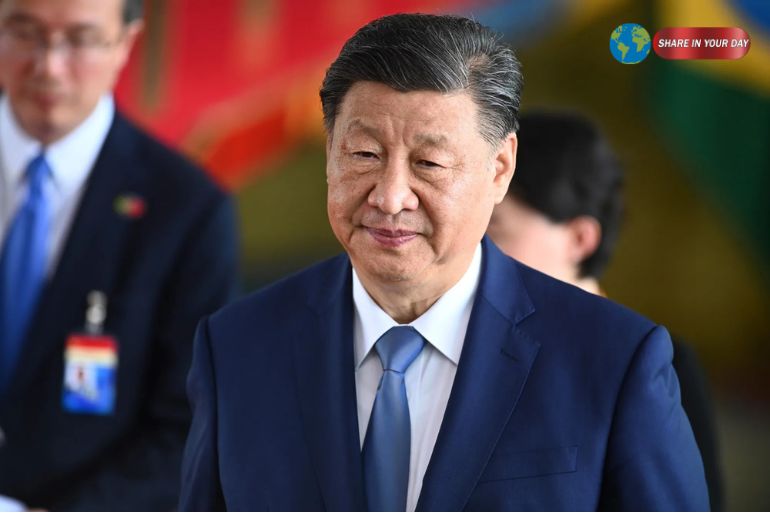
The latest wave of Xi Jinping diplomacy is reshaping global geopolitics, as China’s president welcomes a growing number of world leaders to Beijing. At the same time, the United States, under President Donald Trump, faces mounting tensions with traditional allies.
This contrast is not just symbolic—it reflects a deeper shift in global power dynamics. While Washington navigates disputes and strained relationships, Beijing is positioning itself as a stable and attractive partner on the world stage.
According to recent reports, President Xi Jinping has held multiple high-level meetings in a single week, signaling an unusually intense period of diplomatic activity.
A Week of Intense Diplomatic Activity
The current surge in Xi Jinping diplomacy is marked by a series of high-profile bilateral meetings in Beijing. Unlike traditional global summits, these engagements are happening without a formal international gathering.
Instead, leaders are traveling individually to meet Xi, highlighting China’s growing influence and the demand for direct engagement.
Reports indicate that Xi has conducted at least five major meetings with global leaders during this period.
This level of activity is unusual and underscores Beijing’s strategic push to strengthen ties across regions.
Why World Leaders Are Turning to China
One of the key drivers behind this diplomatic surge is the changing global environment. Many countries are reassessing their alliances and economic partnerships.
The renewed interest in Xi Jinping diplomacy reflects several factors:
1. Economic Opportunities
China remains one of the world’s largest economies. Countries are eager to maintain trade relationships and secure investment opportunities.
2. Strategic Balance
Nations are increasingly seeking to balance their ties between major powers, especially as geopolitical tensions rise.
3. Stability Concerns
Compared to unpredictable global developments, China is presenting itself as a consistent and reliable partner.
As a result, leaders from various regions are engaging more closely with Beijing.
Trump’s Struggles with Allies
While China strengthens its diplomatic network, Donald Trump is facing growing friction with traditional allies.
Recent developments suggest that U.S. relationships with key partners have become increasingly strained. Trade disputes, security disagreements, and differing foreign policy approaches have contributed to this tension.
This contrast is central to the narrative surrounding Xi Jinping diplomacy. As Washington faces challenges, Beijing is capitalizing on the opportunity to expand its influence.
The Impact of Global Conflicts
Another important factor shaping this moment is the broader geopolitical landscape.
The ongoing tensions involving Iran and global economic uncertainty have created a complex environment for international relations.
In this context, China has taken a cautious but active diplomatic approach. It has engaged in dialogue with multiple parties while avoiding direct confrontation.
This strategy aligns with the broader goals of Xi Jinping diplomacy, which emphasize stability and multilateral cooperation.
China’s Strategic Messaging
Through this wave of meetings, China is sending a clear message: it is ready to play a larger role in global governance.
Xi has consistently emphasized:
- Support for multilateralism
- Respect for international law
- Cooperation over confrontation
These themes resonate with many countries seeking alternatives to traditional power structures.
At the same time, China is carefully balancing its relationships, ensuring it does not alienate key partners while expanding its global reach.
A Shift in Global Power Dynamics
The rise of Xi Jinping diplomacy is part of a broader shift in global power dynamics.
Historically, the United States has been the central hub for international alliances. However, recent developments suggest that this dominance is being challenged.
China’s growing influence is not just about economics—it also reflects a strategic effort to reshape international relationships.
Analysts note that as U.S. policies become more unpredictable, middle powers are increasingly hedging their bets by strengthening ties with China.
What This Means for the Future
The implications of this diplomatic shift are significant.
1. Multipolar World Order
The global system may move toward a more balanced distribution of power, rather than being dominated by a single country.
2. Increased Competition
The rivalry between the U.S. and China is likely to intensify, particularly in areas such as trade, technology, and security.
3. New Alliances
Countries may form new partnerships based on economic interests and strategic priorities.
In this evolving landscape, Xi Jinping diplomacy will play a crucial role in shaping outcomes.
Reactions from the International Community
The international response to China’s diplomatic push has been mixed.
Some countries welcome the opportunity to deepen ties with Beijing, viewing it as a chance to diversify their partnerships.
Others remain cautious, concerned about China’s long-term intentions and the potential implications for global stability.
Nevertheless, the steady stream of leaders visiting Beijing indicates a growing recognition of China’s importance on the world stage.
The Role of Timing
Timing has also played a critical role in this diplomatic surge.
With global tensions high and alliances shifting, China has seized the moment to strengthen its position.
The contrast with U.S. challenges has amplified the impact of Xi Jinping diplomacy, making it a focal point of international attention.
Conclusion: A Defining Moment in Global Politics
The current wave of Xi Jinping diplomacy represents more than just a series of meetings—it signals a potential turning point in global politics.
As China expands its influence and the United States navigates internal and external challenges, the balance of power is evolving.
While it is too early to predict the long-term outcome, one thing is clear: the world is entering a new phase of geopolitical competition.
In this context, the actions of leaders like Xi Jinping and Donald Trump will shape the future of international relations for years to come.