
Todd Lyons ICE Resignation: 7 Key Facts Revealed
The Todd Lyons ICE resignation has quickly become one of the most discussed developments in U.S. immigration policy in 2026. As the acting director of Immigration and Customs Enforcement (ICE), Lyons played a central role in shaping enforcement strategies during Donald Trump’s second presidential term. His sudden decision to step down has raised questions about the future direction of the agency, ongoing controversies, and political implications.
In this article, we break down the seven most important facts surrounding the resignation, what led to it, and what comes next.
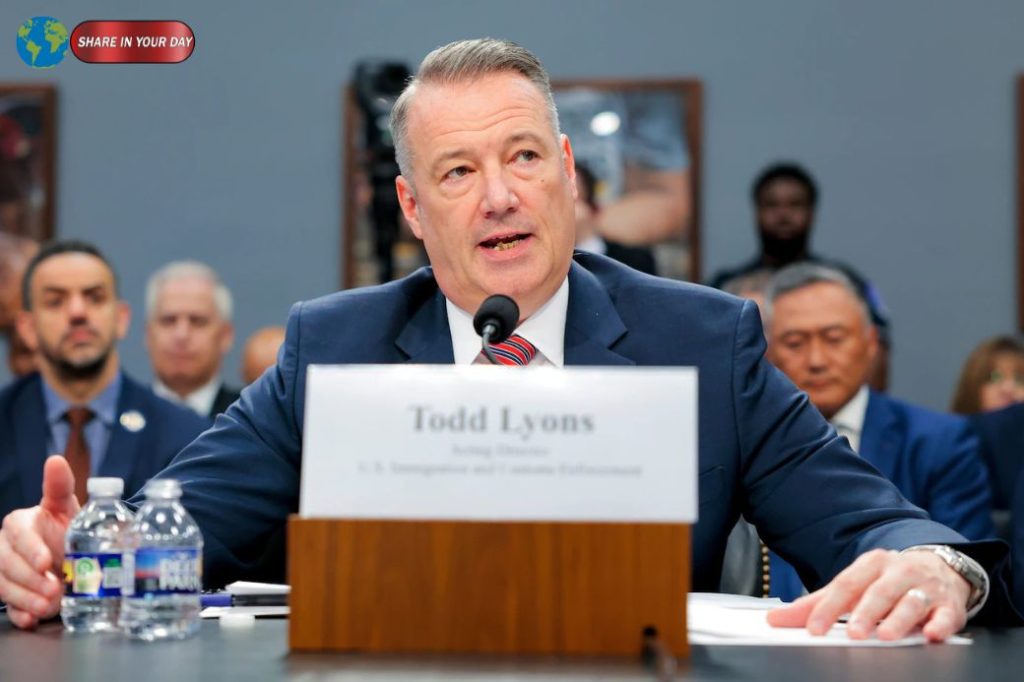
1. Todd Lyons Confirms His Departure
The Todd Lyons ICE resignation was officially confirmed with a clear timeline: he will leave his role at the end of May 2026. According to official statements, Lyons plans to transition into a position in the private sector.
While leadership changes are not unusual in federal agencies, the timing of this departure has drawn particular attention. Lyons exits during a period of intense national scrutiny over immigration enforcement.
2. Official Reason: Family and Career Shift
Lyons stated that his decision was motivated by a desire to spend more time with his family and pursue new professional opportunities. This explanation follows a familiar pattern often seen in high-level government resignations.
However, observers note that such explanations rarely tell the full story. In the case of the Todd Lyons ICE resignation, the broader political and operational context suggests additional underlying pressures.
3. A Key Architect of Trump’s Immigration Strategy
During his tenure, Lyons became one of the most influential figures in executing the administration’s immigration agenda. The Todd Lyons ICE resignation therefore represents more than just a personnel change—it marks a shift at the core of policy implementation.
Key initiatives under his leadership included:
- Expansion of ICE personnel and resources
- Increased detention capacity across multiple states
- Acceleration of deportation processes
- Coordination of large-scale enforcement operations
Supporters argue these measures strengthened border control and public safety. Critics, however, view them as overly aggressive and legally questionable.
4. Controversial Enforcement Tactics
A major factor shaping the narrative around the Todd Lyons ICE resignation is the controversy tied to enforcement methods.
Reports during his tenure highlighted:
- Highly visible raids in major cities
- Increased use of tactical-style operations
- Expanded cooperation with local law enforcement
Critics described these approaches as “militarized,” arguing they created fear in immigrant communities. Meanwhile, ICE officials defended the tactics as necessary responses to complex enforcement challenges.
This divide has become a defining feature of the national immigration debate.
5. Public Backlash and Legal Scrutiny
The Todd Lyons ICE resignation also comes after a period of mounting public criticism. Advocacy groups, legal experts, and some lawmakers raised concerns about civil rights and due process.
Key issues included:
- Allegations of wrongful detentions
- Legal challenges to deportation procedures
- High-profile incidents involving civilians
Some cases drew national attention, intensifying pressure on ICE leadership. While Lyons consistently defended agency actions, the cumulative effect of these controversies likely contributed to the environment surrounding his departure.
6. Political Impact and National Debate
Immigration remains one of the most polarizing issues in U.S. politics. The Todd Lyons ICE resignation arrives at a moment when policy debates are particularly intense.
Supporters of stricter enforcement argue that leadership continuity is essential to maintaining national security. On the other hand, critics see the resignation as an opportunity to reassess ICE’s role and methods.
This leadership change may influence:
- Future enforcement priorities
- Congressional oversight efforts
- Public perception of immigration policy
As a result, the resignation is not just administrative—it is deeply political.
7. What Happens Next for ICE?
One of the biggest questions following the Todd Lyons ICE resignation is who will replace him. As of now, no permanent successor has been officially announced.
In the short term, ICE operations are expected to continue without major disruption. However, leadership transitions often bring shifts in tone, strategy, and priorities.
Potential scenarios include:
- Continuation of current enforcement policies
- Gradual policy adjustments under new leadership
- Increased oversight and reform initiatives
The direction chosen will significantly shape the future of U.S. immigration enforcement.
Broader Context: Why This Resignation Matters
To fully understand the Todd Lyons ICE resignation, it’s important to look beyond the individual and consider the broader system.
ICE operates at the intersection of law enforcement, national security, and humanitarian concerns. Leadership decisions therefore carry wide-ranging consequences.
This resignation highlights:
- The complexity of immigration enforcement
- The challenges of balancing security and civil liberties
- The political sensitivity of federal agencies
It also underscores how leadership changes can signal deeper shifts within government institutions.
Expert Perspectives
Policy analysts suggest that the Todd Lyons ICE resignation may reflect both internal and external pressures.
Some experts believe:
- The intensity of public scrutiny made the role increasingly difficult
- Legal challenges created operational constraints
- Political dynamics influenced decision-making at the highest levels
Others argue the resignation is part of a normal leadership cycle, especially in a high-stress agency like ICE.
Internal Link Example
For more updates on global political developments, visit:
👉 https://yourwebsite.com/politics-news
External Sources
- Washington Post (original report)
- Reuters
- Los Angeles Times
These sources provide additional verification and context for the Todd Lyons ICE resignation.
Final Analysis
The Todd Lyons ICE resignation is more than a headline—it is a pivotal moment in the ongoing evolution of U.S. immigration policy.
On one hand, Lyons’ tenure demonstrated the administration’s commitment to strict enforcement. On the other, it revealed the deep divisions such policies can create.
As the transition unfolds, several key questions remain:
- Will ICE maintain its current strategy?
- Will new leadership adopt a different tone?
- How will public and political reactions shape future policy?
The answers will define not only the agency’s direction but also the broader national conversation on immigration.
Conclusion
The Todd Lyons ICE resignation marks a significant turning point in 2026. With enforcement policies under scrutiny and leadership in flux, the coming months will be critical.
Whether this moment leads to continuity or change, one thing is clear: immigration policy will remain at the center of American political life.